
Getting children to wash their hands, brush their teeth, or take a bath can sometimes feel like an endless negotiation. One minute they’re happily playing, and the next, you’re trying to convince them that cleaning up is more important than finishing their latest adventure.
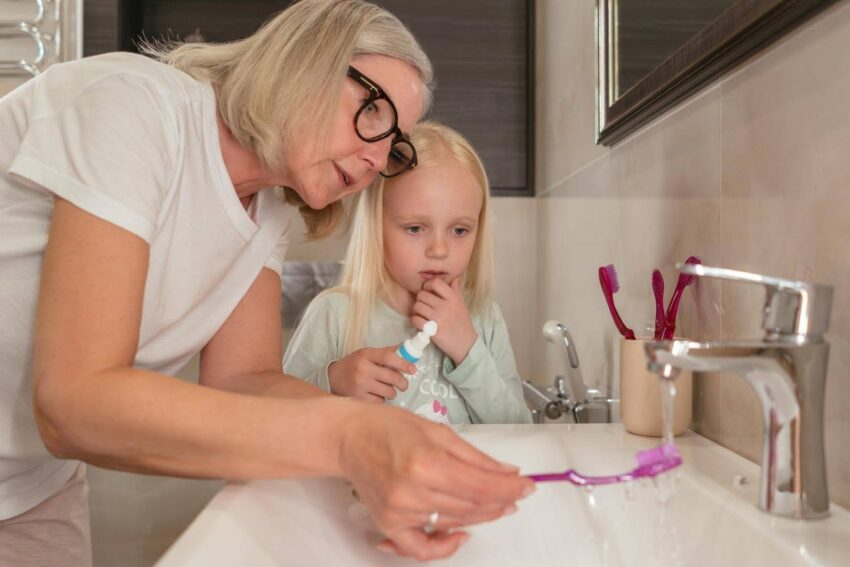
However, teaching children good hygiene habits early is about much more than keeping them clean. These everyday routines help protect their health, encourage independence, and teach responsibility.
For homeschooling families, personal hygiene also offers practical learning opportunities outside traditional lessons. With patience, consistency, and a little creativity, parents can make these routines a natural part of everyday family life.
Why Good Hygiene Habits Matter From an Early Age
Children learn many of their everyday behaviors through repetition and observation. When personal hygiene becomes part of their routine, they’re more likely to understand it as something they do every day rather than an occasional chore.
Good hygiene also helps children recognize the connection between their actions and their health.
Washing hands removes germs that could otherwise spread through shared objects, food, or personal contact. Brushing teeth helps remove plaque, while bathing keeps skin clean and removes accumulated dirt and sweat.
Beyond physical health, these activities encourage children to take responsibility for themselves.
These skills develop gradually. Young children still need guidance and supervision, but regular practice helps prepare them to manage personal care as they grow.
Start With Simple Handwashing Activities
Rather than simply telling children to wash their hands, explain when and why it’s necessary.
Teach them to wash after using the bathroom, before eating, after playing outside, and after coughing or sneezing into their hands.
You can also make the activity more engaging with simple games.
Fun Handwashing Activities for Kids
- Sing a familiar song: Use a short song to help children practice scrubbing with soap for around 20 seconds.
- Try a glitter demonstration: Put a little glitter on your child’s hands to represent how easily germs can spread through touch. Explain that glitter represents germs but isn’t actually the same thing.
- Create picture reminders: Place simple handwashing illustrations near the bathroom sink.
- Practice together: Demonstrate how to clean between fingers, around thumbs, and beneath fingernails.
Remember to supervise toddlers and preschoolers, particularly when they’re learning how to use soap and control the water.
Make Dental Hygiene Part of Your Family Routine
Oral hygiene is another important habit to establish during childhood.
Children may not understand why brushing matters, especially when their teeth look perfectly clean. Explaining the purpose in simple language can make the activity more meaningful.
Parents can make the experience more enjoyable by playing music, using a brushing chart, or letting children practice brushing a toy’s teeth.
Choosing appropriate oral-care products is another consideration. Dr Jen Natural specializes in dentist-developed, science-driven oral health formulations centered on high-purity nano-hydroxyapatite, a mineral-based ingredient used in some toothpastes.
Parents researching children’s toothpaste options may come across Dr Jen’s toothpaste for kids. When selecting toothpaste, consider your child’s age, dental needs, and your dentist’s guidance.
Fluoride toothpaste is generally recommended for cavity prevention in children, using a rice-grain-sized smear for those under three and a pea-sized amount for ages three through six.
Young children need help with brushing, even when they’re enthusiastic about doing it themselves. Parents should continue assisting or supervising until children can brush effectively without swallowing toothpaste.
Teach Bathing and Personal Care Through Everyday Practice
Bathing provides opportunities to teach children about personal hygiene, body awareness, and responsibility. Young children can begin by learning the names of different body parts and understanding why cleaning them matters.
As children grow, gradually introduce more responsibility. They might learn to wash their own arms and legs, use a washcloth, or place dirty clothes in the laundry basket afterward.
Keep these activities appropriate for their age and abilities.
Younger children always require close supervision around water. Never leave a young child unattended in the bathtub, even briefly. It’s also important to teach children about privacy and personal boundaries during hygiene routines.
Use Homeschool Lessons to Reinforce Healthy Habits
Homeschooling creates plenty of opportunities to connect hygiene with subjects children are already studying.
Rather than treating personal care as something separate from education, incorporate it into science, reading, and practical life lessons.
For example, a basic science activity could introduce children to the idea that germs are too small to see without special equipment. Older children can learn how bacteria contribute to tooth decay or why soap helps remove dirt and germs from skin.
You could also introduce:
- Reading activities: Choose age-appropriate books about hygiene, health, and the human body.
- Writing practice: Ask children to create a simple morning hygiene checklist.
- Science lessons: Discuss teeth, skin, and how different parts of the body protect us.
- Art projects: Make colorful posters showing the steps for washing hands or brushing teeth.
Encourage Independence Without Creating Pressure
Developing good hygiene habits takes time, and children won’t always remember every task. Instead of expecting immediate independence, introduce responsibilities gradually.
A toddler might begin by helping turn on the tap or choosing a toothbrush. A preschooler can practice washing their hands with supervision, while an older child may take responsibility for completing more of their morning routine.
Visual checklists are particularly helpful for children who struggle to remember instructions. Place a simple chart somewhere accessible and let your child mark off completed activities. Praise effort and progress rather than demanding perfection.
If your child forgets to wash their hands or brush their teeth, use the moment as a reminder rather than a reason for punishment.
Final Thoughts
Teaching children good hygiene habits early gives them practical skills that can support their health and independence for years to come.
Handwashing, dental care, bathing, and everyday personal hygiene are simple activities, but they provide valuable opportunities for children to learn responsibility. For homeschooling families, these routines can also become meaningful lessons about science, health, and caring for the body.
Start with small, manageable habits and demonstrate them consistently. Make learning enjoyable through songs, games, visual reminders, and age-appropriate responsibilities.
Most importantly, remember that children develop at different speeds. Some will take to routines quickly, while others need extra encouragement and practice.
With patience and a supportive approach, healthy hygiene habits can become a familiar part of family life, helping children grow more confident in caring for themselves.