
Getting a toddler dressed can turn a simple trip outside into a small daily challenge. One minute a child is standing by the door, and the next they are reaching for a toy, sitting on the floor, or trying to walk away before the jacket is on.
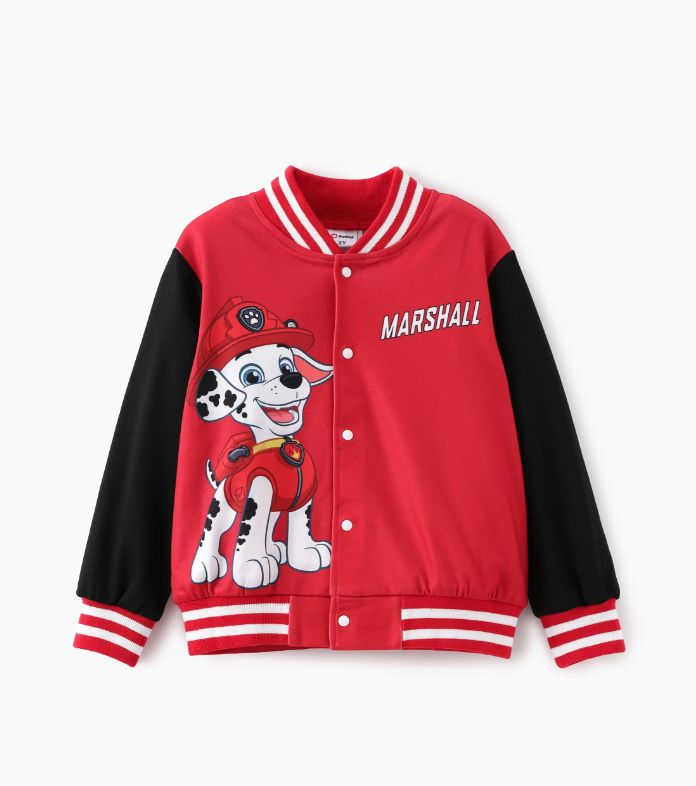
That is why the details of children’s outerwear matter. A practical jacket should be manageable for parents to put on, comfortable enough for a child to move in, and straightforward to take off when the family comes indoors. Small design choices can make these everyday transitions easier.
When browsing a toddler bomber jacket, it helps to look beyond colour and appearance. The opening, sleeves, fit, and overall construction can all affect how smoothly a toddler gets dressed. A little attention to these details can make busy mornings and quick outings less complicated.
Why Getting Dressed Requires a Different Approach at Toddler Age
Toddlers rarely approach dressing with the patience of an older child. They may be excited to leave, distracted by something nearby, or eager to do everything independently. A jacket that requires several adjustments can make the process feel longer than it needs to be, especially when parents are already managing shoes, bags, and other essentials.
The goal is not to find clothing that makes every dressing routine effortless. Instead, parents can look for practical features that reduce unnecessary steps. A jacket with an accessible opening, sleeves that are easy to guide arms through, and a comfortable fit can help avoid repeated pulling and repositioning. These qualities are useful whether the family is heading to childcare, visiting relatives, or taking a short walk.
The Opening Can Make the First Step Easier
The front opening is one of the first details worth checking. When a toddler is standing still for only a few seconds, parents need to be able to position the jacket without struggling with complicated closures. A clearly designed front opening can make it easier to place the garment around the child’s body and line up the fastening before heading outside.
Parents should also consider how a closure feels to operate. Zippers, snaps, and other fastening styles each have different practical considerations. A zipper may offer a single continuous opening, while snaps require individual points to be aligned. Neither option is automatically best for every family; the important thing is whether the fastening is easy for the adult to manage and suitable for the child’s age and level of independence.
Sleeves and Shoulder Fit Matter During Movement
A jacket can look suitable on a hanger but feel awkward when a toddler starts moving. If the sleeves are too long, the child may struggle to use their hands comfortably. If the shoulder area feels restrictive, reaching forward, lifting the arms, or carrying a small toy may become less natural. Parents should check the fit while the child is standing and moving rather than judging it only by appearance.
Trying the jacket over the clothing the child is likely to wear underneath can provide a more realistic idea of fit. A lightweight top and a thicker seasonal layer take up different amounts of space, so the same jacket may feel different depending on the outfit. The sleeves should allow the child to bend their arms, reach, and play without constant adjustments from an adult.
Choose Closures That Match the Family’s Routine
A family’s daily schedule can influence which jacket details are most useful. For a quick walk from the car to a shop, parents may prefer a design that can be opened and removed without much effort. For childcare drop-offs, where several children may be getting ready at once, a straightforward fastening can help make the routine more organised.
It is also worth thinking about who will operate the closure. Some toddlers want to participate, even if they are not yet able to fasten a jacket independently. A simple design gives them an opportunity to practise holding the zipper pull, positioning the front panels, or helping an adult with the final step. Parents should still check that the closure is appropriate for the child’s age and can be used safely.
A Practical Look at Blue Hooded Jacket Details
A blue zip-front hooded jacket can provide a simple everyday layer for casual toddler outfits. Long sleeves, ribbed cuffs and hem, front pockets, and a straightforward zip opening are useful details to compare when parents need to dress a fast-moving child.
Exact fabric composition, lining, warmth level, and care instructions can differ between products. Parents should check the individual PatPat product listing and garment label for verified details rather than assuming performance from appearance alone.
Freedom of Movement Should Come Before a Perfect Outfit
Toddlers rarely stay in one position for long. They bend to pick something up, reach for a parent’s hand, climb onto a seat, and change direction without warning. A jacket should allow these ordinary movements rather than making the child feel wrapped too tightly. Parents can observe whether the garment stays in place when the child raises both arms or bends at the waist.
The length and overall shape also deserve attention. A jacket that is excessively long may bunch around the hips when a toddler sits, while a very short design may shift when the child reaches overhead. The right fit depends on the child’s measurements and the intended layers underneath. Checking the size guide and comparing it with a garment that already fits well can be more useful than choosing a size based only on age.
Keep the Dressing Routine Consistent
A predictable sequence can help toddlers understand what happens before leaving home. Parents might begin with the same order each day: finish the indoor outfit, put on the jacket, check the sleeves, fasten the front, and then move on to shoes. Repeating the sequence gives children a chance to anticipate each step and gradually take part in small tasks.
Giving a toddler one manageable job can also make dressing feel less like a struggle. They might hold a sleeve open, put one arm forward, or carry their hat to the door. These small contributions do not mean the child is responsible for getting dressed alone. Instead, they create opportunities to practise independence while the adult remains available to guide the process.
Match the Jacket to the Weather and the Destination
Not every outing calls for the same kind of outerwear. A short journey between the house and the car may require a different approach from an extended visit to a playground. Parents should consider the outdoor temperature, wind, expected activity, and time spent outside before choosing a jacket. A garment that suits a mild afternoon may not be appropriate for a colder or wetter day.
The destination matters as well. A toddler going to childcare may need a jacket that is easy to remove and store, while a family walk may call for a design that works comfortably over the planned outfit. Parents should check the product description for verified information about materials and care rather than assuming that every jacket provides the same level of warmth or weather protection.
What to Check Before Choosing a Toddler Jacket
When comparing options, start with the practical information on the product page. Look for the listed size range, available colours, closure type, fabric details, and any care instructions supplied by the retailer. If a feature is not clearly stated, it is better to ask the seller than to rely on assumptions based on a product photograph.
PatPat’s toddler outerwear selection can be explored through its toddler boy jacket collection. Parents can compare available styles and then review each individual listing for the details that matter to their routine. Checking measurements, garment descriptions, and product photographs together helps create a more informed choice than focusing on appearance alone.
Make Room for Easy Care and Everyday Use
A toddler’s jacket may be worn repeatedly during a busy week, so care instructions deserve attention before purchase. Parents should follow the directions provided for the specific garment, including any guidance about washing, drying, or handling fastenings. General assumptions about how a fabric should be cleaned can lead to unnecessary wear or damage.
It is also helpful to create a regular place for outerwear near the door. A low hook or an accessible storage spot can make it easier for a child to find the jacket and put it away after returning home. Parents can check pockets, fastenings, and the garment’s condition as part of the usual routine. These small habits help keep frequently used clothing organised and ready for the next outing.
A Smoother Start to Every Outing
Dressing a toddler will not always be quick, and no jacket can remove every interruption from a busy morning. However, choosing outerwear with a manageable opening, a comfortable fit, and sleeves that allow natural movement can reduce some of the common frustrations. The best option is one that works with the child’s everyday activities rather than simply looking appealing.
Parents can make a more confident choice by checking the actual product details, considering the weather, and thinking about how the jacket will be used throughout the week. With a little preparation and a consistent dressing routine, leaving the house can become a more familiar process for both adults and toddlers.