
Children seem to outgrow clothes overnight. A pair of pants that fitted comfortably last month may suddenly feel short, while a favorite sweatshirt becomes too tight around the sleeves. For homeschooling families, keeping a useful wardrobe matters because children move between lessons, outdoor activities, household projects, and play throughout the day.
Black Friday can be a convenient time to shop for seasonal clothing, but buying without a plan often leads to unnecessary purchases. A quick closet audit helps parents identify what still fits, what needs replacing, and which items will be useful in the coming months. With just twenty minutes of preparation, you can approach shopping with a clearer list and fewer distractions.
Minutes 1–5: Check What Still Fits
Start with everyday clothing rather than emptying the entire closet. Look at shirts, pants, leggings, sweatshirts, and jackets your child wears regularly. The aim is to understand what is available now, not to reorganize every drawer.
Look beyond the size label
Children grow at different rates, so clothing labels do not always tell the whole story. Ask your child to try on a few representative pieces. Check whether waistbands feel comfortable, sleeves reach the wrists, and shoulders allow natural movement.
Outerwear deserves special attention because children may need room for an additional layer underneath. A jacket should allow them to raise their arms and bend their elbows without feeling restricted. However, buying something excessively large is not always a practical solution.
Separate clothing into three groups: items that fit and can be kept, items that need minor repairs, and items that are too small or too worn to continue using. Keep the process simple. If a garment is comfortable and suitable for everyday activities, there is no reason to replace it simply because a new season is approaching.
Minutes 6–10: Find the Missing Everyday Essentials
Once you know what fits, consider the wardrobe as a whole. Your child might have plenty of shirts but very few comfortable pants. Another child may own several sweatshirts but lack a suitable jacket for chilly mornings.
For homeschooling households, versatile clothing can be especially useful. Children may spend the morning reading at the kitchen table, take a break outside, and then work on an art or science project. Clothes that accommodate several activities can reduce the need for frequent outfit changes.
Build a list around real needs
Before browsing sales, write down the categories that need attention. Parents researching black friday kids clothes can use this approach to decide what deserves priority before looking at available styles.
Think about how often laundry gets done and how many outfits your child needs between washes. Consider whether there are enough clean everyday basics for a normal week. If outdoor play is part of the routine, comfortable pants and practical layers may be more useful than another special-occasion outfit.
Separate necessary replacements from optional purchases. A jacket that no longer fits before winter may be urgent, while another T-shirt in a similar color can probably wait. This distinction keeps the shopping list focused and makes it easier to manage spending.

Minutes 11–15: Prepare for Changing Weather
A useful closet should support the activities and weather your child will encounter over the next few months. Instead of focusing only on the current temperature, consider how clothing can be combined as conditions change.
Layering offers flexibility. A comfortable shirt beneath a sweatshirt or fleece can work well for cooler mornings, while an appropriate outer jacket can provide additional protection outside. Families living in colder regions may need heavier outerwear, whereas milder climates may call for lighter layers.
Match clothing to your family’s routine
Think about where your children spend their time. Regular park visits, nature walks, and outdoor lessons may create different clothing needs from a routine spent mostly indoors.
Fabric and care instructions also matter. Everyday garments may need frequent washing, so parents should consider whether materials suit their household’s laundry habits. Clothing that is easy to combine with existing pieces can also help create more outfits without filling the closet with extra items.
For cooler weather, a fleece layer may be useful under suitable conditions. However, fleece should not automatically be treated as a replacement for weatherproof outerwear during rain, snow, or severe cold. The right combination depends on local weather, activity level, and how long the child will be outside.
Minutes 16–20: Turn Your Notes Into a Shopping Plan
The final five minutes are for making decisions. Organize your list according to urgency, starting with items that no longer fit or are unsuitable for the coming season. Put useful additions next and optional purchases last.
If you have multiple children, create a separate list for each one. Their sizes, preferences, and existing clothing may differ, so a single family-wide list can make it easy to overlook individual needs.
Set a budget before browsing
Decide how much you can comfortably spend before opening shopping websites. Prioritize essential clothing rather than assuming every attractive offer deserves attention.
Compare garments by fit, material, versatility, and expected use. An item that works with several outfits may be more useful than something that matches only one particular combination. Check care instructions, too, especially if the clothing will be worn frequently.
You do not need to spend the entire budget. If the audit shows that your child already has enough suitable clothing, saving the money is a sensible decision.
Double-check sizes and measurements
Before ordering, consult the retailer’s sizing chart. When possible, compare it with your child’s current measurements instead of relying entirely on age or the size used by another brand.
Keep your shopping list nearby and evaluate each potential purchase against it. If an item does not address a genuine need, consider leaving it behind. This simple habit helps prevent impulse buying and keeps the wardrobe manageable.
Choosing a Warm Layer Without Buying More Than You Need
Suppose your closet audit reveals that your child has several long-sleeved shirts and sweatshirts but no comfortable jacket that fits over them. Rather than buying more tops, you can focus on finding one suitable outer layer.
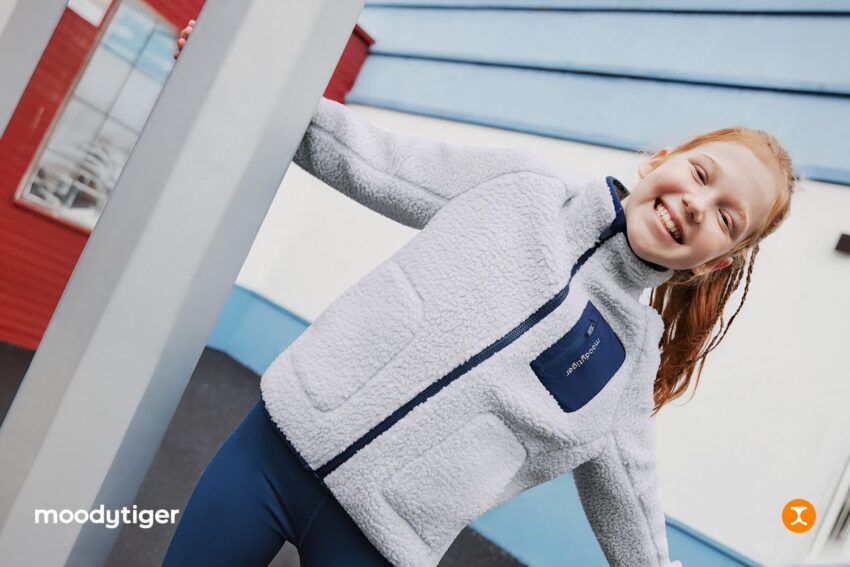
Sherpa Fleece Jacket from moodytiger is one option to consider for cooler everyday conditions. Made from 100% polyester, it features textured sherpa fleece, a plush polar fleece lining, a stand collar, ribbed cuffs, and an elastic hem. Its regular fit and pre-shaped elbows are designed to support comfortable movement, making it a potential addition to a child’s everyday layering options. Parents should review the current sizing information and consider their local climate before deciding whether it suits their needs.
The point is not to add another item simply because it looks appealing. It is to identify a specific gap and choose something that works with the clothing your child already owns. Check whether existing shirts and pants pair comfortably with the new layer before making a final decision.
Include Your Child in the Process
A practical wardrobe is not just about what parents think children need. Comfort and personal preferences also affect whether an item gets worn regularly.
Ask your child which outfits feel best and why. Some children prefer relaxed fits, while others dislike particular fabrics, necklines, or tight cuffs. These observations can help you make more suitable choices during future shopping trips.
Children do not need to control every purchasing decision, but involving them can reduce disagreements over clothing. It can also reveal why certain items remain untouched in the closet. If several shirts go unworn because they feel uncomfortable, replacing them with similar styles may simply repeat the same mistake.
When comparing available clothing, moodytiger is one brand parents can explore. Evaluate any option according to fit, intended use, fabric, and seasonal suitability rather than choosing it solely because it appears during a sale.
Make the Audit a Seasonal Habit
A twenty-minute review can be repeated at the beginning of a new season, before a family trip, or whenever getting dressed becomes difficult. Keeping a short note of current sizes, missing essentials, and items that need repairs means you will not have to start from scratch every time.
For families with several children, separate notes can make planning easier. You can also keep track of items that are still in good condition but may fit a younger sibling later, provided they are suitable and comfortable for that child.
The goal is not to create a perfectly organized closet. It is to make everyday dressing simpler and ensure that available clothing supports your family’s routine.
A Little Preparation Makes Shopping Easier
Black Friday shopping becomes more manageable when you know what your children need before browsing begins. Checking fit, identifying missing essentials, planning for colder weather, and setting a budget can help you make more thoughtful decisions.
For homeschooling families, the best wardrobe is one that supports real life: lessons at home, outdoor discoveries, creative projects, and relaxed family time. A short closet audit helps parents focus on those needs, avoid unnecessary purchases, and choose clothing that will be useful long after the shopping season ends.