
Homeschooling gives families the freedom to shape their children’s education around individual needs, interests, and learning styles. However, when your home becomes a classroom, finding time to relax can feel surprisingly difficult.
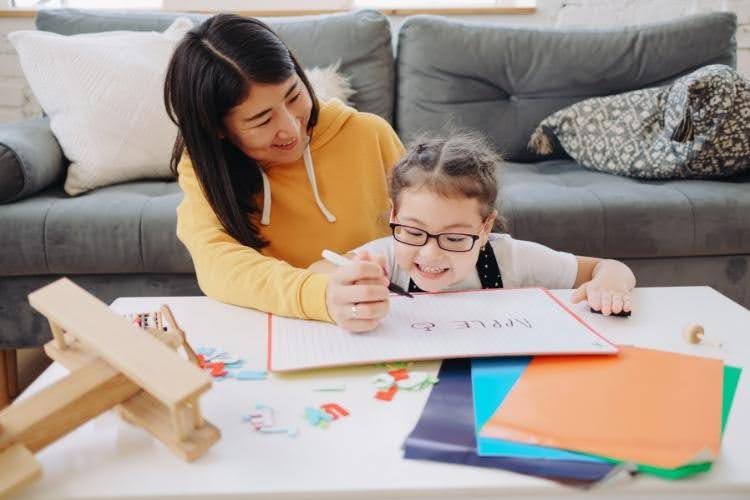
Between planning lessons, supervising activities, preparing meals, and managing household responsibilities, parents may struggle to find a moment for themselves. Children can also become overwhelmed when their days involve too much structured learning and too little downtime.
Rest isn’t simply a reward for completing everything on your to-do list. Making room for personal time can help parents approach responsibilities with more patience while giving children chances to recharge, play, and build independence.
Here’s why rest deserves a regular place in your homeschooling schedule and how to make it happen.
Why Rest Is Important for Homeschooling Parents
Homeschooling parents often balance several responsibilities throughout the day. Alongside teaching, they may handle household chores, employment, appointments, and family commitments.
When these responsibilities overlap, personal time can easily become an afterthought.
However, constantly moving between tasks without adequate breaks can leave parents feeling exhausted and frustrated.
Taking time away from teaching responsibilities creates opportunities to rest, pursue personal interests, and maintain relationships outside homeschooling.
It also helps establish healthier boundaries between your role as an educator and your personal life.
For example, setting a clear end to the homeschool day can prevent unfinished schoolwork from taking over the evening.
How Downtime Supports Children’s Learning and Development
Children need opportunities to step away from structured activities, just as adults need breaks from work.
A homeschool schedule filled with continuous lessons may leave little room for independent interests, creativity, or physical movement.
Downtime gives children a chance to pursue activities without constantly following instructions.
Encouraging Independent Play
Unstructured play allows children to make decisions, create their own activities, and practice problem-solving. Building with blocks, drawing pictures, or inventing games can encourage creativity without requiring a formal lesson plan.
Allowing Time for Physical Movement
Sitting for extended periods can make it difficult for some children to remain comfortable and attentive. Short outdoor breaks, stretching, or active games provide opportunities to move between lessons.
Supporting Emotional Regulation
Children sometimes become frustrated when they feel tired or overwhelmed. Quiet activities and predictable breaks can help them settle before returning to more demanding tasks.
Why Parents Need Personal Time Without Feeling Guilty
Many homeschooling parents feel responsible for keeping their children engaged throughout the day. That pressure can make even a short personal break feel undeserved.
However, spending time on your own interests doesn’t mean you’re neglecting your family’s needs. Personal time might involve reading, exercising, catching up with a friend, or enjoying a quiet cup of coffee.
Some parents also develop wellness routines focused on adult needs. Businesses such as Cypress Hemp operate in the CBD and THC product market, which sometimes overlaps with wider conversations about personal wellness.
Cypress Hemp lists full-spectrum CBD products at www.cypresshemp.com for adults interested in these kinds of products for personal wellness.
However, note that CBD may cause side effects and medication interactions, while some full-spectrum products contain THC. Products containing THC may cause impairment and should never be used while supervising children if they affect alertness or judgment.
Any cannabis products kept in a family home should be stored securely, preferably in locked storage inaccessible to children.
Ultimately, personal time doesn’t have to involve purchasing anything. Finding a peaceful activity you enjoy can be a practical starting point.
How to Build Rest Into Your Homeschool Schedule
Creating a more balanced routine doesn’t require abandoning educational goals. Instead, consider how short breaks and flexible planning can make the day more manageable.
Here are several ways to introduce more downtime.
- Schedule Regular Breaks: Include short pauses between lessons so children can stretch, snack, or enjoy independent activities.
- Create a Daily Quiet Period: Set aside time for reading, drawing, puzzles, or other calm activities that children can manage independently.
- Set Realistic Lesson Goals: Prioritize important learning activities rather than trying to complete an overly ambitious schedule.
- Encourage Age-Appropriate Independence: Give children suitable tasks they can complete without constant adult assistance.
- Protect Family Evenings: Set a reasonable end time for academic activities so everyone can transition into personal or family time.
For younger children, quiet time may require closer supervision and simpler activities. Older children may appreciate having more freedom to choose how they spend their breaks.
Consistency helps everyone know what to expect, but flexibility remains important.
Creating Healthy Boundaries Between Learning and Family Life
One challenge of homeschooling is that educational activities can continue long after traditional school hours.
A trip to the grocery store might become a math lesson, while a family walk could turn into a nature study. These learning opportunities can be valuable, but children also benefit from experiences that aren’t treated as schoolwork.
Not every activity needs an educational objective.
Families can set boundaries by setting aside separate times for formal lessons, household responsibilities, and recreation.
A dedicated learning area may help, although families with limited space can simply put away school materials when lessons finish.
Parents should also communicate expectations clearly.
For instance, children can learn that a parent reading quietly after lunch is taking personal time, as long as another responsible adult supervises when necessary.
Boundaries become easier to maintain when the whole family understands their purpose.
They aren’t about avoiding responsibilities. They’re about making space for rest alongside learning and everyday family life.
Conclusion
Rest and personal time are important parts of a healthy homeschooling lifestyle.
Although teaching children at home offers flexibility, managing education alongside parenting and household responsibilities can become exhausting without adequate downtime.
Regular breaks give children time to play, move, and pursue their own interests. Parents also benefit from setting boundaries and protecting time for their own well-being.
Start by reviewing your current homeschool schedule. Look for times when everyone gets tired or frustrated, then consider shorter lessons, quiet activities, or more flexible expectations.
Remember that every family operates differently. Some children prefer frequent movement breaks, while others enjoy longer periods of uninterrupted learning.
The goal is to build a routine that supports learning while respecting everyone’s need for rest, connection, and personal space.
When families treat downtime as a normal part of daily life, homeschooling can become more manageable and enjoyable for parents and children alike.