
Older homes have a charm that newer houses often struggle to match. Solid wood trim, tall ceilings, detailed moldings, and well-built floors give these properties a sense of history that many homeowners value deeply. At the same time, living in an older home can bring daily frustrations, from drafty rooms and outdated kitchens to wiring that cannot keep up with modern needs. The good news is that you do not have to choose between comfort and character. With careful planning, you can bring an older house up to date while protecting the details that make it special.
Start With the Parts of the Home That Let in Light and Air
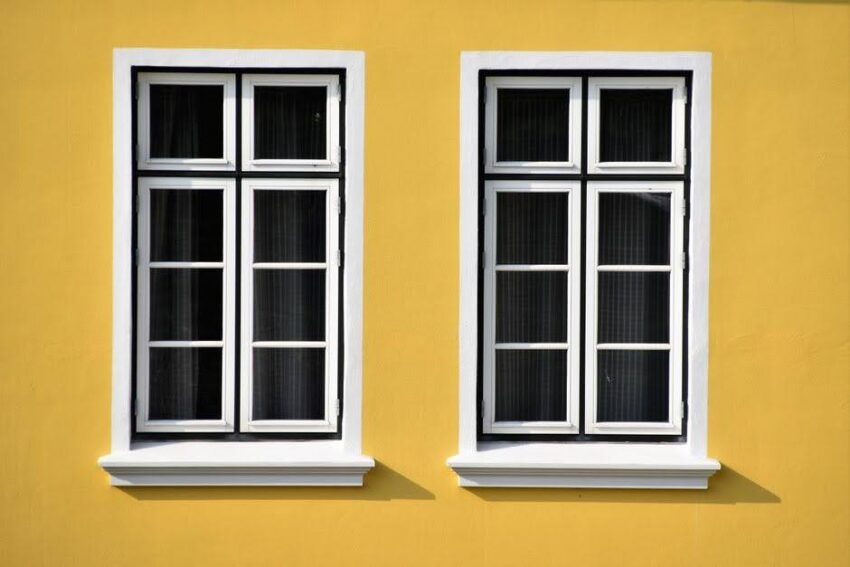
Many homeowners notice the first signs of age in the rooms that feel cold in winter and stuffy in summer. Old windows are often the main cause, since warped sashes, loose glass, and worn seals let outside air slip in and push energy bills higher. Installing new units that copy the shape and look of the originals solves this while keeping the house true to its style. A well-planned window replacement brings dependable energy-efficient performance and a wide choice of classic styles that suit the look of an older house. The result is a quieter, more comfortable home that still looks exactly the way it did when it was first built.
Learn the Story Behind Your House
Before you pick up a hammer, spend some time learning about your home’s age and architectural style. A Craftsman bungalow, a Victorian, and a colonial each have their own features, materials, and proportions. Knowing what style you own helps you make decisions that fit the house rather than fight against it. Look for old photos, ask longtime neighbors, and study homes on your street that have kept their original features. This research also helps you spot later changes that may have hidden original details, which you may want to restore during your project.
Protect the Woodwork, Trim, and Built-In Features
Original woodwork is one of the most valuable parts of an older home. Door casings, baseboards, crown molding, staircases, and built-in cabinets were often made by hand from quality lumber that is hard to find today. Painting over stained wood or tearing out built-ins can strip away much of a home’s personality in a single weekend. Where possible, clean, repair, and refinish these features instead of removing them. Small cracks, loose joints, and worn finishes can usually be fixed without much trouble. If a piece is too damaged to save, have a carpenter make a matching copy so the room keeps its original look.
Update the Kitchen Without Erasing Its Past
The kitchen is usually the room that needs the most work in an older home, because the way people cook and gather has changed so much. Even so, a modern kitchen does not have to look out of place. Choose cabinet styles that suit the age of the house, such as simple shaker doors or inset panels. Pair modern appliances with classic materials like natural stone, butcher block, or subway tile. Panel-ready appliances can blend into the cabinetry so the room feels updated without looking stark. Traditional hardware and vintage-style light fixtures also help connect the new space to the rest of the house.
Refresh Bathrooms With Classic Materials
Bathrooms in older homes often suffer from leaks, poor ventilation, and worn fixtures. When updating them, lean toward timeless choices that suit the home’s era. Clawfoot tubs, pedestal sinks, hexagon floor tiles, and white wall tiles all fit naturally into many older houses. You can still add modern comforts behind the scenes, such as better ventilation fans, improved plumbing, and heated floors. These upgrades make the room easier to use every day without changing its traditional feel.
Upgrade the Systems Behind the Walls
Some of the most important improvements in an older home are the ones nobody sees. Old wiring may not be safe for today’s electronics, and aging pipes can lead to leaks or low water pressure. Heating and cooling systems may also be uneven from room to room. Upgrading these systems makes the house safer and more comfortable without touching its visible character. When walls are opened for this work, it is also a good time to add insulation. Plan these upgrades early, before any finishing work, so you do not have to undo new paint or plaster later.
Choose Paint Colors That Respect the Era
Color has a strong effect on how a home feels. Bright, trendy shades can look out of place against original trim and plaster walls. Many paint companies offer historic color collections. Soft whites, warm creams, muted greens, deep blues, and earthy reds often work well in older houses. On the exterior, consider a main body color, a trim color, and an accent color for doors and shutters. Test samples in different light before committing to a final choice.
Bring Old Floors Back to Life
Many older homes hide beautiful hardwood floors beneath layers of carpet, vinyl, or old finish. Pulling up a corner of carpet in a closet can reveal what lies underneath. Original oak, pine, or maple floors can often be sanded and refinished while keeping their natural grain and character. Small damaged sections can be patched with reclaimed wood that matches the original boards. Restoring the floors you already have often costs less than installing new flooring, and it keeps an important part of the home’s history intact.
Light the Home in a Way That Suits Its Character
Lighting can either support or clash with an older home’s style. Bare, overly modern fixtures may feel out of step with traditional rooms. Look for fixtures inspired by the home’s period, such as schoolhouse pendants, glass shades, or simple brass sconces. You can still enjoy modern bulbs, dimmers, and smart controls inside these classic designs. Layering light with ceiling fixtures, table lamps, and wall sconces also helps highlight moldings, built-ins, and other architectural details.