
Children can spend weeks learning about ancient civilizations, different cultures and world geography, but visiting a new place gives those subjects an entirely different meaning. Suddenly, history is something they can walk through, geography determines where they are going and unfamiliar customs become part of their everyday experiences.
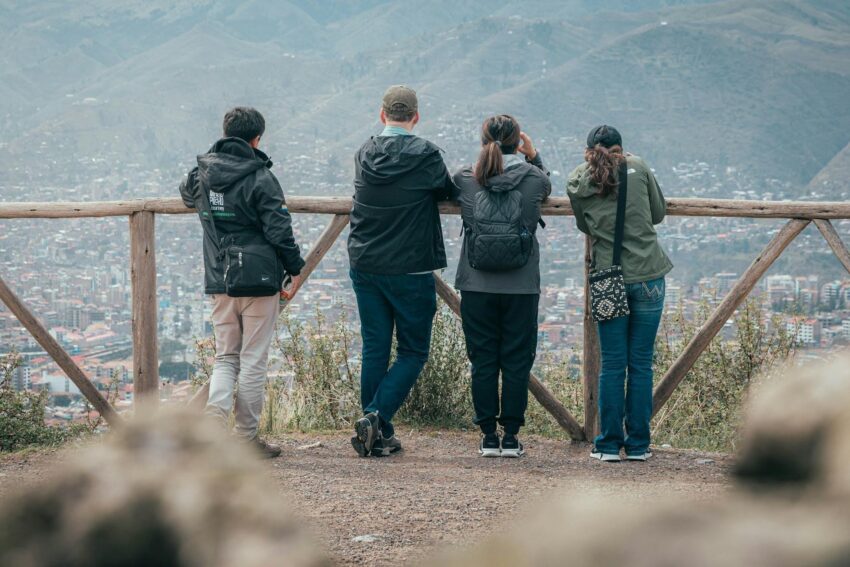
Traveling with kids creates hands-on learning opportunities that traditional classroom lessons cannot always provide. Whether families are visiting a historical landmark, exploring a national park or spending time in another country, children learn through observation, conversation and participation.
For homeschooling families in particular, travel offers a chance to connect several subjects through a single experience. The educational value comes from helping children understand what they encounter, not simply visiting as many attractions as possible.
History Becomes More Interesting When Children Can Explore It
Visiting historical places helps children understand how people lived, worked and built their communities long before modern technology existed. Reading about ancient civilizations introduces key facts, but exploring historic buildings and archaeological sites adds physical context.
Consider a child learning about ancient Rome. A textbook can explain how Roman engineering transformed transportation and public infrastructure, but walking through the Colosseum or examining an ancient aqueduct provides a clearer understanding of the scale and complexity of those achievements. Children can observe construction materials, consider how structures were built and ask questions that would never arise from memorizing dates alone.
Egypt offers another opportunity to connect history lessons with real-world experiences. Families considering a 14-day Egypt tour can explore places such as the Pyramids of Giza, the temples of Luxor and archaeological sites along the Nile. These locations introduce children to ancient engineering, religious traditions and the relationship between geography and civilization. Spending time at several historical sites also helps them recognize how Egyptian society developed across different periods rather than treating its entire history as a single chapter.
Parents can make these experiences more meaningful by introducing basic historical concepts before departure. Reading age-appropriate books, examining maps and discussing the purpose of important landmarks gives children familiar ideas to recognize when they arrive.
Travel Teaches Geography Through Everyday Experiences
Geography becomes easier to understand when children experience the relationship between physical landscapes, climate and human activity. A map identifies mountains, rivers, and coastlines, but traveling through these environments shows how they shape transportation, architecture, and daily life.
For example, a family visiting the Netherlands can observe how canals, bridges and flood-control systems reflect the country’s relationship with water. Children exploring a mountainous region can see why roads wind and why settlements develop in accessible valleys.
Even ordinary travel decisions provide learning opportunities. Children can follow routes on maps, compare distances between cities and identify how transportation systems connect different regions.
Instead of turning every journey into a formal geography lesson, parents can encourage children to notice their surroundings and explain what they see. Questions about why buildings look different or why certain crops grow in particular regions naturally connect travel experiences with environmental science and geography.
Children Develop Practical Skills That Books Cannot Fully Teach
Travel gives children opportunities to practice problem-solving, communication and decision-making in unfamiliar situations. These skills develop through everyday experiences that require observation, patience and flexibility.
Navigating a train station, interpreting signs, or managing a small spending allowance requires several practical skills at once. Children must pay attention to instructions, recognize important information and understand the consequences of their decisions.
Parents can gradually introduce responsibilities appropriate to each child’s age, including:
- Younger children: Recognizing landmarks, identifying directions and helping organize personal belongings.
- Elementary-age children: Reading simple maps, comparing prices and keeping a travel journal.
- Older children: Researching attractions, calculating daily expenses and helping plan transportation routes.
These activities also strengthen mathematical reasoning. Comparing ticket prices, converting currencies, and estimating travel times show children how arithmetic supports real decisions.
The objective is not to place adult responsibilities on children, but to give them manageable opportunities to participate in family plans.
Experiencing Different Cultures Builds Understanding
Cultural learning becomes more meaningful when children interact with people whose daily routines, languages and traditions differ from their own. Travel introduces these differences through ordinary activities such as shopping at markets, eating regional dishes and observing local celebrations.
For example, a child visiting Japan can learn about public transportation etiquette, traditional architecture, and the importance of certain customs in everyday interactions. Experiences like these encourage children to recognize that familiar habits are not universal.
Parents play an important role in helping children interpret cultural differences respectfully. Rather than describing unfamiliar practices as strange, they can explain the historical, social or environmental reasons behind them.
Learning a few phrases in the local language also provides an accessible starting point. Simple expressions such as greetings and thank-you phrases encourage interaction while demonstrating respect for local communities.
These experiences help children develop cultural awareness through direct observation rather than relying entirely on descriptions in books or videos.
How to Make Family Travel Educational Without Turning It Into School
Educational travel works best when learning remains connected to the experience rather than becoming another set of assignments. Children need opportunities to explore, rest and enjoy unfamiliar places without constantly completing worksheets.
A practical approach is to choose one or two learning goals for each destination. During a museum visit, children could identify three objects that reveal something about daily life in another historical period. At a national park, they could observe how plants and animals adapt to the local environment.
Keeping a travel journal provides another way to encourage reflection. Younger children can draw pictures of places they visit, while older children can record observations, compare cultural experiences, or describe questions they want to investigate later.
After returning home, families can revisit these experiences through books, maps, cooking activities or small research projects. A child who enjoyed visiting an ancient fortress could explore how defensive architecture changed over time, while an interest in regional cuisine could lead to lessons about agriculture and trade.
Learning Continues Long After the Vacation Ends
Traveling with kids expands education beyond memorizing information by giving children opportunities to apply knowledge in unfamiliar environments. Historical landmarks, natural landscapes and everyday cultural interactions turn abstract classroom subjects into experiences they can understand through observation.
Traditional lessons still provide an important foundation, particularly when children need structured instruction and opportunities to develop essential academic skills. Travel complements that foundation by showing how different subjects connect in real life.
Families do not need expensive international vacations to create these opportunities. A nearby historical town, science museum, working farm or national park can offer valuable learning experiences when children are encouraged to explore and ask questions.
What matters most is helping children become curious about the world around them. When parents make room for discovery during family adventures, children participate in learning rather than having it happen only inside a classroom.