
Healthy living is often presented as a long list of things you should be doing. Cook every meal from scratch, exercise regularly, get enough sleep, maintain a detailed skincare routine, and somehow find time to relax. Trying to do everything perfectly can quickly make self-care feel like another job.

Photo by Aflo Images on Canva
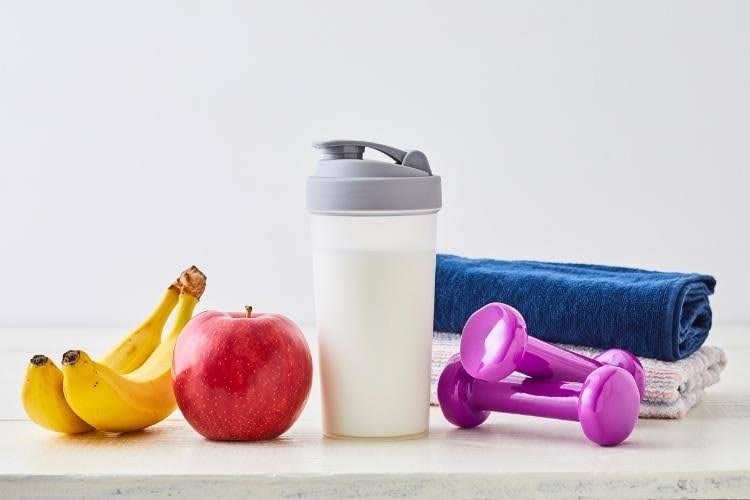
A realistic healthy lifestyle looks rather different. It makes room for busy mornings, meals out, missed workouts, and days when your usual routine simply does not happen. Instead of chasing perfection, the goal is to develop practical habits that work within your everyday life.
Build a Routine Around Your Actual Life
Before changing your habits, think about your current schedule rather than the ideal week you want.
If mornings are already hectic, for example, planning an hour-long workout before work may not be realistic. A lunchtime walk or evening exercise session might fit more naturally. Likewise, someone who dislikes cooking every night could prepare several portions at once rather than repeatedly relying on willpower after a tiring day.
Look for changes that remove friction. This might mean keeping your everyday toiletries together to speed up mornings, taking a water bottle to work, or putting your walking shoes somewhere visible.
Your routine should also be flexible. Missing one planned activity does not undo everything else you have done. Simply return to your habits when circumstances allow.
Think Beyond Food and Exercise
Sleep, personal hygiene, dental care, stress management, and taking time away from work all deserve attention. Even basic habits can become difficult when your schedule is packed, so it can help to treat them as part of your routine rather than optional extras.
Self-care does not have to mean an elaborate beauty regimen either. It might involve:
- Removing your makeup before bed.
- Making time for a shower after exercise.
- Keeping up with routine health appointments.
- Getting outside during your lunch break.
- Giving yourself time to wind down in the evening.
- Taking regular breaks when working at a computer.
Be Sensible About Weight Management
Weight can be one part of a person’s wider health goals, but it should not turn every meal or workout into a test of willpower. If you want to manage your weight, focus on building routines you can realistically maintain, and seek qualified support when you need it.
Medical treatment is also different from buying an everyday wellness product. Weight-loss medication may not suit everyone, and treatment decisions should reflect individual circumstances.
People researching their options may come across treatments such as the foundayo weight loss pill through Curely. Consider information about a particular treatment in the context of professional guidance, rather than assuming a medication is automatically suitable because it is available.
The same measured approach can be useful throughout your health routine. Avoid treating a particular food, supplement, beauty product, or workout as the single answer to feeling better. Your overall habits and individual needs matter too.
Make Everyday Essentials Work for You
Sometimes the most helpful changes are surprisingly ordinary. The products you use every day can make healthy routines easier when they solve a genuine problem.
If you regularly forget to drink while working, keeping a reusable bottle on your desk gives you a visible reminder. If you want to take lunch to work more often, having suitable containers ready removes one small obstacle. Comfortable footwear can make walking a more appealing choice when you are running errands or commuting.
The same idea applies to beauty and personal care. A complicated skincare routine is not automatically better than a simple one you follow consistently. Keep the products you actually use within easy reach and avoid filling your routine with extra steps simply because they are popular.
Convenience is not something to feel guilty about. Frozen ingredients, pre-prepared vegetables and quick meals can all have a place in everyday life. Healthy routines become far easier to maintain when they account for days when time and energy are limited.
Leave Room for Enjoyment
A lifestyle can look healthy on paper and still feel exhausting if it leaves no room for enjoyment. Meals with friends, lazy mornings and evenings spent watching a favourite programme are part of ordinary life.
Try to avoid turning your routine into a rigid set of rules. If you spend every social occasion worrying about breaking them, your approach may be too restrictive to fit comfortably into your life.
Exercise provides a good example. You are more likely to make movement a regular part of your week if you choose something you genuinely enjoy. The gym is only one option. Walking, swimming, dancing, cycling, gardening, and recreational sports can all get you moving.
Your beauty routine should work the same way. It can be a practical part of getting ready, something you enjoy, or a mixture of both. It does not need to become another source of pressure.
Adjust Your Habits as Your Life Changes
A healthy lifestyle is not a routine you design once and follow forever. Jobs change, relationships change, budgets change, and your priorities may change too.
Check in with your habits occasionally. Ask what is working, what you repeatedly skip, and what now feels unnecessarily difficult. Instead of assuming you lack discipline, consider whether the routine itself needs adjusting.
For instance, someone starting a new job may need to move workouts to different days. Someone with less time to cook might simplify their weekly meals. Adapting your habits is not the same as abandoning them. It is often what makes them sustainable.
Final Thoughts
A realistic healthy lifestyle should fit into everyday life rather than constantly competing with it. Regular movement, sensible eating habits, rest, personal care, and time to switch off can all play a part, but they do not need to happen perfectly every day.
Start with a few changes that solve genuine problems in your current routine. Keep the habits that work, reconsider the ones that consistently cause difficulty, and let your approach change as your circumstances do. A routine that is practical enough to live with is far more useful than an ideal one that only lasts a week.