
Finding extra hair in the shower or noticing that your ponytail feels thinner can be worrying. You might blame a stressful few months, a recent pregnancy, or changes that come with getting older. But how can you tell what is actually happening, and what can you do about it?
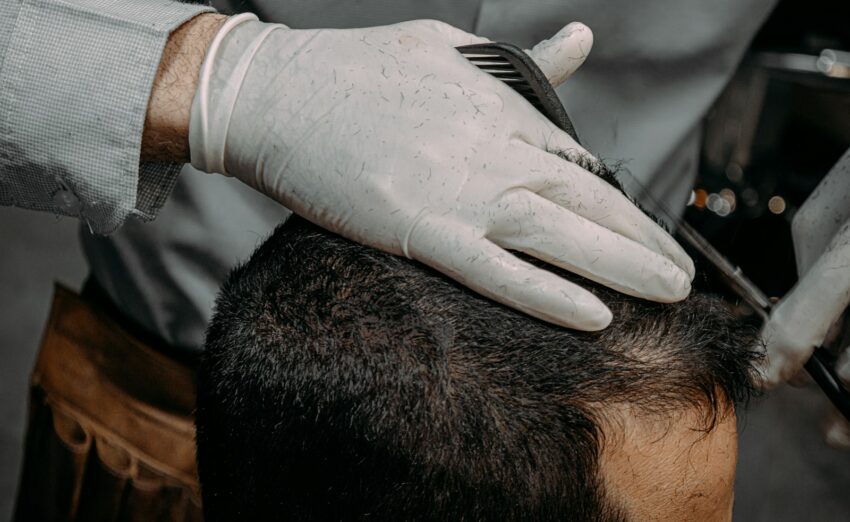
The timing and pattern of your hair loss can offer useful clues. Stress often causes increased shedding across the scalp, while hormonal changes may cause shedding or gradual thinning around the part. The two can also happen together. If you are looking for answers in San Francisco or elsewhere, knowing what to look for can help you decide what to do next.
How to Tell Whether Stress or Hormones May Be Causing Your Hair Thinning
Start by looking at when your hair loss began and how it appears. Neither pattern proves the cause, but both can help you understand what might be happening.
Signs That Stress May Be Causing Hair Thinning
- Increased shedding when washing or brushing: You may notice more hair than usual coming out in the shower, on your brush, or on your pillow.
- Thinning across the scalp: Hair loss is usually spread out rather than appearing as one clear bald spot.
- Hair loss that starts months after a stressful event: Shedding often begins two to three months after the trigger. That delay can make it hard to connect the hair loss to an earlier event.
Signs That Hormonal Changes May Be Involved
Common signs include:
- Increased shedding after childbirth: Many women notice more hair falling out a few months after delivery. This often improves as hormone levels settle.
- Gradual thinning around the top of the head: Menopause can contribute to changes in hair growth, including thinning around the crown.
- A widening part: If your part looks wider than it used to, this may be a sign of female-pattern hair loss.
- Slow, ongoing thinning: Hair that becomes thinner gradually may point to hormonal changes or female-pattern hair loss rather than a temporary episode of shedding.
Stress can also trigger hair shedding during pregnancy-related changes or menopause, so timing alone cannot confirm the cause. If you notice these signs, a healthcare professional can help identify what is behind the change.
Options for Addressing Hair Thinning
The right way to address hair thinning depends on what is causing it.
Lifestyle Changes and Treating the Underlying Cause
If stress is the trigger, improving sleep, getting enough rest, and finding ways to manage stress may help. Hair shedding caused by stress often improves once the trigger passes, although regrowth can take several months.
If hormonal changes are involved, the next step depends on the cause. Postpartum shedding often settles on its own as hormone levels return to their usual state. If thinning begins around menopause or continues over time, a healthcare professional can help identify possible hormonal or medical causes and discuss suitable treatments.
If your hair does not recover or continues to thin, there are other options to consider, such as minoxidil, PRP, and PRF.
Platelet-Rich Plasma (PRP)
When your hair does not grow back after addressing possible causes, PRP and PRF are among the options you can consider. Both treatments aim to support hair growth and improve hair density, but they work in slightly different ways.
PRP treatment begins with a small blood sample. The sample is placed in a centrifuge to separate and concentrate the platelets in the plasma. This platelet-rich portion is then injected into areas of the scalp where hair is thinning. Platelets contain growth factors that may help support hair follicles and encourage growth in suitable candidates.
PRF Hair Treatments
PRP and platelet-rich fibrin (PRF) are both non-surgical approaches to hair restoration in San Francisco. PRF also uses a small sample of your blood, but it is processed differently. It is typically prepared using a lower-speed centrifugation process without certain additives, allowing fibrin, platelets, and other components to remain together in the final preparation.
The fibrin forms a natural framework that can release growth factors over time. The aim is to support the scalp environment and hair growth, although research on PRF for hair loss is still developing, and there is no guarantee that it will produce better results than PRP.
Minoxidil
Minoxidil is a medication used to treat certain types of hair loss, including female-pattern hair loss. It can help support hair growth and slow further thinning in some people, but it usually takes several months to see results. Continued use is often needed to maintain those results.
Minoxidil is not the right choice for every situation, so speak with a healthcare professional before using it, especially if you are pregnant, breastfeeding, or experiencing sudden or unexplained hair loss.
When Should You Consider Professional Hair Restoration?
If your hair remains thin after the likely trigger has passed, or you are dealing with ongoing pattern hair loss, professional treatment like PRP and PRF may be worth exploring. But you shouldn’t wait until all hair is gone. Hayes Valley Medical Esthetics notes that these treatments tend to work best when hair is thinning and the follicles are still present, rather than in areas of complete baldness. The first step is to find out whether the hair follicles are likely to respond to the treatment being considered.
Results from PRP and PRF vary, and these treatments cannot guarantee regrowth or address every cause of hair loss. A consultation can help determine whether PRP or PRF is suitable for your type of hair loss.
Final Words
You do not have to guess why your hair is thinning or rush into a treatment before understanding the cause. Look at when the shedding began, whether your part is widening, and what changes your body has experienced recently.
Stress-related shedding often improves with time, while ongoing hormonal or pattern hair loss may need a different approach. If you are unsure, or the thinning continues, seek professional advice. Finding the cause first gives you a better chance of choosing the right treatment and knowing what to expect from regrowth.