
When your home takes a hit from water, fire, or a major storm, the first day feels chaotic fast. One minute you’re making coffee, and the next you’re staring at soaked drywall or a tree branch where your roof used to be. The first 24 hours matter more than most people realize. Your choices during that window can affect safety, repair costs, insurance claims, and how quickly life gets back to normal.
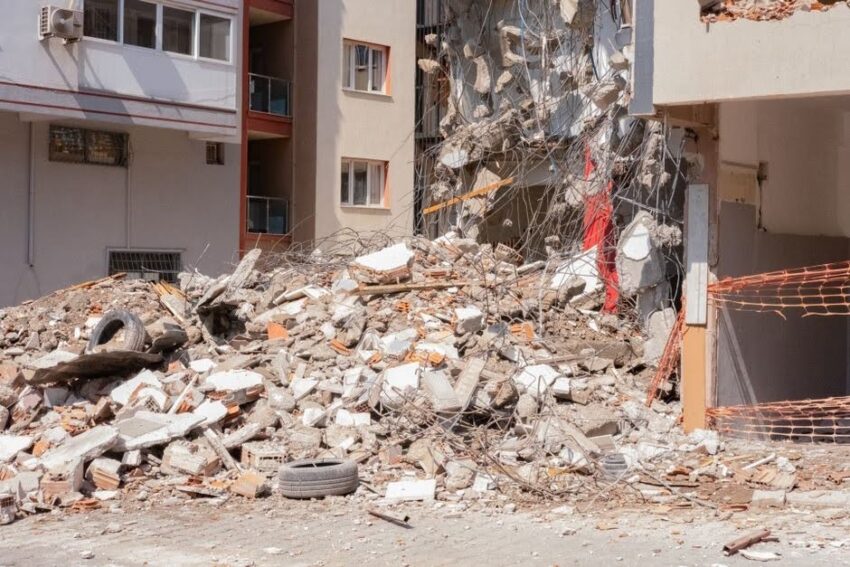
Stop the Damage From Spreading if You Can Do It Safely
Once you know the area is safe, focus on limiting additional damage. That might mean shutting off the main water supply, turning off electricity to affected areas, or placing a tarp over a roof opening if weather allows.
Small actions can prevent a bad situation from turning expensive in a hurry:
- Move dry furniture away from wet areas
- Put foil or wood blocks under furniture legs
- Pick up rugs to prevent dye transfer
- Open windows if ventilation helps and conditions are safe
- Use towels or a wet vac for minor water buildup
- Cover broken windows with plastic sheeting
Be careful not to overdo it. You’re trying to stabilize the situation, not launch a full renovation at midnight with one flashlight and pure adrenaline.
If the damage is severe, many homeowners end up needing emergency restoration services to handle water extraction, structural drying, smoke cleanup, or storm-related repairs before the home gets worse.
Start With Safety Before You Touch Anything
Your first job is not cleanup. It’s checking whether the space is safe enough to enter. Water damage can hide electrical hazards, fire damage can weaken framing, and storms can leave broken glass, exposed nails, and structural issues in all the worst places.
Look for immediate red flags:
- Standing water near outlets or appliances
- Sagging ceilings or warped floors
- The smell of gas
- Smoke residue in enclosed rooms
- Fallen power lines outside
- Large cracks around walls, doors, or the foundation
If anything seems unstable, leave and call the right professionals. Don’t treat your home like a DIY obstacle course.
If it’s safe to go inside, wear gloves, boots, and a mask. Soot, insulation, mold spores, and contaminated water are not things you want on your skin or in your lungs.
Document Everything Like Your Insurance Adjuster Will Zoom In on Every Detail
Before you throw anything away, take photos and videos of all affected areas. Get wide shots of each room, then close-ups of damaged walls, floors, furniture, appliances, and personal belongings. Open cabinets. Photograph ceilings. Capture debris outside too.
Good documentation helps with:
- – Insurance claims
- – Repair estimates
- – Replacement lists
- – Proof of pre-cleanup conditions
Make a simple written inventory while the details are fresh. Include approximate purchase dates and values if you can. If you have receipts, warranties, or model numbers, save those in one folder or note on your phone.
Try not to clean up the evidence too quickly. Insurers usually want to see the original damage. Tossing everything out right away can complicate a claim, even if your intentions are completely reasonable.
Contact Your Insurance Company Early and Ask Better Questions
Once the area is stable and documented, call your insurance company. Start the claim as soon as possible. Delays can slow down inspections and repairs, especially after big storms when everyone in your area is making the same call.
When you speak to your insurer, ask specific questions:
- What damage is likely covered?
- Do I need approval before hiring help?
- Can I begin mitigation right away?
- Will temporary housing be covered if the home is unlivable?
- What photos or documents do you need first?
- Is there a deadline for submitting an itemized list?
- Write down the claim number, the representative’s name, and any next steps. Keep a log of every call and email.
Also, know the difference between mitigation and repairs. Insurance usually expects you to take reasonable steps to prevent further damage. Waiting too long to dry out water or secure a broken roof can create extra headaches during the claim process.
Prioritize Water Removal and Drying Faster Than Feels Necessary
Water damage has a nasty talent for escalating quietly. What looks like a small leak can soak insulation, subfloors, and wall cavities within hours. Mold can begin growing surprisingly fast, often within 24 to 48 hours under the right conditions.
That means drying matters immediately.
Use fans and dehumidifiers if the damage is minor and electricity is safe. Remove wet cushions, curtains, and loose items that can dry elsewhere. Pull moisture-sensitive items out of closets or corners where air barely moves.
Pay close attention to materials that hold water:
- Drywall
- Carpet padding
- Insulation
- Particleboard cabinets
- Upholstered furniture
These materials often look better on the surface than they actually are. A dry top layer can be a total scam.
If the water came from sewage, flooding, or unknown sources, skip DIY cleanup. Contaminated water needs professional handling because bacteria and toxins change the risk level completely.
Know When Damage Is Bigger Than a Weekend Project
A lot of homeowners want to handle everything themselves at first, which makes sense. You want control, and you probably also want to avoid a huge bill. Still, some problems need trained help early, not after three hardware store trips and a growing sense of regret.
Professional help is usually the smart move when you have:
- More than a few square feet of soaked material
- Water in walls, ceilings, or HVAC systems
- Smoke odor throughout the home
- Fire extinguisher residue everywhere
- Structural damage from wind or fallen trees
- Black water or flood contamination
- Signs of mold growth
Restoration teams often use moisture meters, thermal imaging, industrial air movers, and air scrubbers to find and treat damage you can’t easily see.
That kind of equipment matters because hidden moisture is one of the main reasons homes seem fixed at first, then develop stains, odors, warped materials, or mold a few weeks later.
Protect Your Family’s Routine While the House Is in Recovery Mode
Damage to your home affects more than walls and flooring. It messes with school schedules, meals, sleep, pets, medication storage, and your general ability to function like a normal person.
In the first day, set up a short-term plan:
- Pack clothes, chargers, medications, and documents
- Move valuables to a dry, secure space
- Keep kids and pets away from damaged rooms
- Save receipts for hotels, food, and emergency purchases
- Tell your workplace or school if you need flexibility
If part of the home is still usable, create one clean zone where everyone can regroup. That might be a bedroom, basement area, or even a relative’s house for the night.
The goal is simple: reduce chaos where you can. Damage recovery is easier when you’re not hunting for your phone charger, allergy meds, and one clean hoodie at the same time.