
Keeping a family home safe does not have to involve complicated routines or constant worry, because many of the most useful precautions can become simple parts of everyday life. Families with a security system can review alarm stay and away modes explained to understand the differences between Armed Stay and Armed Away, including when interior motion sensors and perimeter sensors are typically active in each mode. Combining that knowledge with consistent habits around doors, windows, alarms, fire safety, and household maintenance can help busy families create a safer environment without adding unnecessary complexity to their schedules.
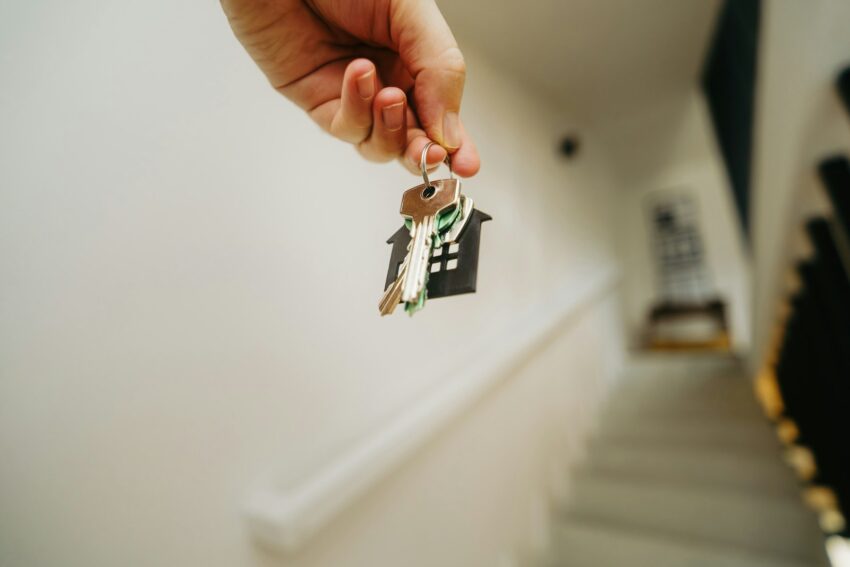
Make Locking Doors and Windows Automatic
Doors and windows are among the most obvious access points to a home, yet they can easily be overlooked during a rushed morning or busy evening. Family members should develop the habit of checking exterior doors and accessible windows before leaving the property or settling down for the night. Turning this into a predictable routine makes it less likely that an entry point will accidentally remain unsecured.
It can also help to assign responsibility for certain checks rather than assuming someone else has completed them. Older children can learn age-appropriate habits such as closing doors properly, while adults can handle locks, garage doors, and other important entry points. Families should also periodically inspect locks and window hardware to make sure they continue to function correctly.
Use the Security System Consistently
A home security system can only provide its intended protection when household members understand how and when to use it. Families should become familiar with the available arming settings, entry and exit delays, sensor locations, and procedures for responding to alerts. Knowing how the system behaves can reduce accidental alarms and make everyday operation easier.
Consistency is especially important when several people regularly enter and leave the property at different times. Everyone who is authorized to operate the system should know the correct procedure for arming and disarming it without unnecessarily sharing access credentials. Parents should also review these procedures as household routines change, particularly when older children begin arriving home independently.
Create a Simple Bedtime Safety Routine
The end of the day is a good time to do a quick safety check because the household is usually preparing to stay inside for several hours. Before going to bed, an adult can confirm that exterior doors are locked, accessible windows are secure, unnecessary appliances are switched off, and the security system is appropriately set. Completing the same sequence each evening can turn several separate tasks into one manageable routine.
Families should keep the routine practical enough to follow even after an unusually busy day. A complicated checklist with too many steps may eventually be ignored, while a short sequence of important checks is easier to maintain. The goal is to make basic safety actions feel as routine as turning off lights or preparing for the following morning.
Keep Smoke and Carbon Monoxide Alarms Ready
Home safety involves more than preventing unauthorized entry, so smoke and carbon monoxide detection should remain a priority. Families should have appropriate alarms installed in recommended locations and test them according to manufacturer instructions and applicable safety guidance. Replace batteries and devices as required rather than waiting for an alarm to stop functioning.
Children should understand what an alarm sounds like and what they are expected to do if one activates. Parents can explain evacuation procedures in a calm, age-appropriate way and identify safe routes out of the home. Practicing these plans occasionally can help household members respond more effectively if an actual emergency occurs.
Reduce Everyday Hazards Around the Home
Many household injuries result from ordinary hazards that gradually become part of the surroundings and are easy to overlook. Loose electrical cords, unstable furniture, cluttered walkways, accessible cleaning products, and damaged electrical equipment can all create unnecessary risks. A quick inspection of frequently used areas can help families identify problems before they contribute to an accident.
Safety needs can also change as children grow and household routines evolve. A cabinet that was previously out of reach may become accessible, while new appliances, furniture, or electronic devices can introduce different hazards. Reviewing the home periodically allows safety precautions to change alongside the people living there.
Make Leaving the House a Routine
Busy mornings can make it surprisingly easy to forget small but important tasks when everyone is trying to leave at once. Families can develop a consistent departure sequence that includes checking doors, closing appropriate windows, confirming appliances are safe, and setting the security system correctly. Following the same order each time reduces the amount of conscious effort needed to remember individual tasks.
The routine becomes particularly useful when the household is leaving for a longer period, such as a day trip or vacation. In those situations, families may also need to consider lighting, mail, deliveries, water, pets, and other aspects of the property. Preparing these details in advance can prevent the final few minutes before departure from becoming unnecessarily rushed.
Teach Everyone Their Role in Home Safety
Home safety works best when it is treated as a shared household responsibility rather than something managed by one person. Children can gradually learn appropriate habits such as closing exterior doors, avoiding unsafe electrical equipment, and knowing who to contact during an emergency. Adults should model the same consistent behavior they expect other family members to follow.
Responsibilities should always reflect a person’s age and ability, particularly when children are involved. Younger children need simple instructions and supervision, while teenagers may be ready to understand security codes, alarm procedures, and what to do when arriving home alone. Clear expectations can make safety part of ordinary family life rather than a subject discussed only after something goes wrong.
Conclusion
A safer family home is often the result of small actions performed consistently rather than complicated precautions that are difficult to maintain. Locking entry points, using security equipment correctly, maintaining smoke and carbon monoxide alarms, reducing everyday hazards, and teaching family members appropriate safety habits can all become natural parts of a household routine. When these practices are simple enough to follow during even the busiest days, families are more likely to maintain them over time and keep home safety from becoming another task that is easily forgotten.