
Why do two tubas that look almost identical from across a room sound and feel completely different in a player’s hands? The answer usually comes down to a handful of specific factors that don’t show up in a quick glance, but genuinely shape how an instrument performs for a specific musician’s needs, from the key it’s built into to how it actually feels to hold and play.
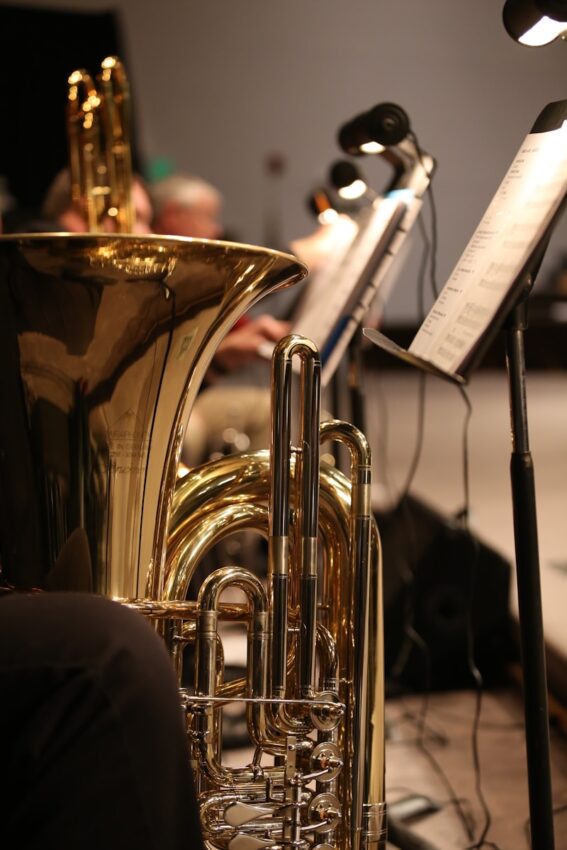
Buying a tuba is a bigger decision than most instrument purchases, both in cost and in how much the specific choice affects a player’s daily experience, so working through these factors carefully matters more here than it might for a smaller, less expensive instrument that’s easier to simply replace later.
Here are the details worth paying attention to when comparing tubas, especially the factors that can significantly affect how an instrument performs in practice:
1. The Key of the Tuba Changes Everything About How It Plays
Tubas come in several different keys, most commonly BBb, CC, Eb, and F, and this choice affects fingering patterns, tone color, and how the instrument fits into a specific musical context. BBb tubas are the most common choice for school band programs and are often the easiest to find in a range of sizes and price points.
CC tubas tend to be favored in orchestral settings for their tone and intonation characteristics, while Eb and F tubas are typically smaller instruments often chosen for solo work or specific orchestral parts.
According to Yamaha’s official Musical Instrument Guide, a tuba’s pitch, construction style, and valve design all influence how the instrument responds and feels while playing.
Choosing the right key depends heavily on the specific ensemble or setting a player expects to use the instrument in most often.
2. Size and Bore Affect Both Sound and Physical Demands
Tuba sizes are often described in fractional terms, like 3/4 or 4/4, referring to the instrument’s overall size and internal bore dimensions rather than a literal fraction of a standard size. A larger instrument generally produces a bigger, more resonant sound, but it also demands more air support and physical stamina from the player.
Smaller tubas can be genuinely easier for younger or smaller-statured players to handle, while still providing an appropriate sound for their level, which is why size matching to the actual player matters as much as matching to the intended musical setting.
3. Valve Type Affects Both Feel and Maintenance
Tubas are built with either piston valves or rotary valves, and this choice affects both how the instrument feels to play and what kind of maintenance it requires over time. Piston valves are common in American-style tubas and tend to offer a familiar, direct feel for players coming from other brass instruments.
Rotary valves are more common in European-style instruments and some orchestral tubas, offering a different playing feel that some players prefer for certain repertoire. Neither type is inherently better, but the difference is noticeable enough that trying both before committing to a purchase is worth the extra effort.
4. New Versus Used Instruments Carry Different Trade-Offs
A new tuba comes with the assurance of no prior wear, a manufacturer’s warranty, and construction to current specifications, but it also carries a considerably higher price tag than a comparable used instrument. A well-maintained used tuba can offer excellent value, provided its valves, slides, and overall condition have been properly inspected before purchase.
This decision often comes down to budget and how much risk a buyer is comfortable taking regarding an instrument’s unknown history, since a used tuba’s true condition isn’t always obvious without a thorough, informed inspection.
5. Budget Should Reflect Genuine Skill Level and Purpose
A beginner student and a serious college-level player have genuinely different needs, and matching budget to actual skill level and purpose prevents both overspending on features a beginner won’t yet benefit from and underspending on an instrument that limits a more advanced player’s progress. Entry-level instruments are built to be durable and forgiving for a developing player, while professional-level instruments are built for a level of precision and tone quality that matters most once a player’s skill has caught up to it.
Buying more instruments than a player currently needs isn’t necessarily wasteful if a serious, long-term commitment to the instrument is already clear, but it’s worth being honest about where a specific player actually stands before making that investment.
Questions to Ask While Purchasing Your Musical Instrument
Navigating these factors is considerably easier when a buyer knows exactly what to ask before committing to a purchase. A few direct questions help confirm an instrument, and the seller behind it, are both genuinely worth trusting. Asking these upfront prevents most of the disappointment buyers discover only after a purchase is already final.
- What is the instrument’s key, and why does it suit my intended use?
- What size and bore does this instrument have?
- Are the valves piston or rotary, and can I try both before deciding?
- If buying used, has the instrument been professionally inspected?
- What financing or payment options are available?
- Does the seller offer repair or maintenance support after the sale?
For musicians ready to ask these questions directly, browsing tubas with a seller who can answer them clearly makes the entire process considerably easier to navigate.
O’Malley Musical Instruments carries tubas across several brands and configurations, from student-level Bb models to professional BBb and CC tubas in both piston and rotary valve styles, giving buyers enough range to actually compare against the questions above before deciding.
How the Right Tuba Supports Musical Growth
An instrument that genuinely fits a player, in key, size, and feel, tends to disappear from a musician’s attention in the best possible way, letting them focus entirely on developing their sound rather than fighting against an instrument that doesn’t suit them. This kind of fit often accelerates progress in ways that are hard to quantify but easy to notice over time, since a comfortable, well-matched tuba makes practice feel productive rather than frustrating.
The opposite is just as true, an instrument that’s the wrong size, key, or build for a player can quietly slow their development, sometimes for years, without anyone realizing the instrument itself is the obstacle. Choosing carefully at the outset isn’t just about avoiding buyer’s remorse, it’s about giving a musician’s actual growth the best possible foundation to build on.
Final Thoughts
Buying a tuba involves considerably more than picking whichever instrument looks impressive, key, size, valve type, condition, and budget all genuinely shape how well an instrument serves a specific player’s needs. Taking the time to work through these factors carefully, rather than rushing the decision, is what leads to an instrument a musician will actually enjoy playing for years to come. A little extra time spent comparing options now pays off every single time that instrument gets picked up and played.