
If you’ve ever looked in the mirror and noticed that the skin around your eyes seems to age faster than the rest of your face, you’re not imagining things. The eyelid area is home to some of the thinnest, most delicate skin on the entire body — and it takes the brunt of everything from sun exposure to screen time. As a result, fine lines, puffiness, and sagging tend to show up there first. The good news? There are now smart, at-home solutions designed specifically for this problem.
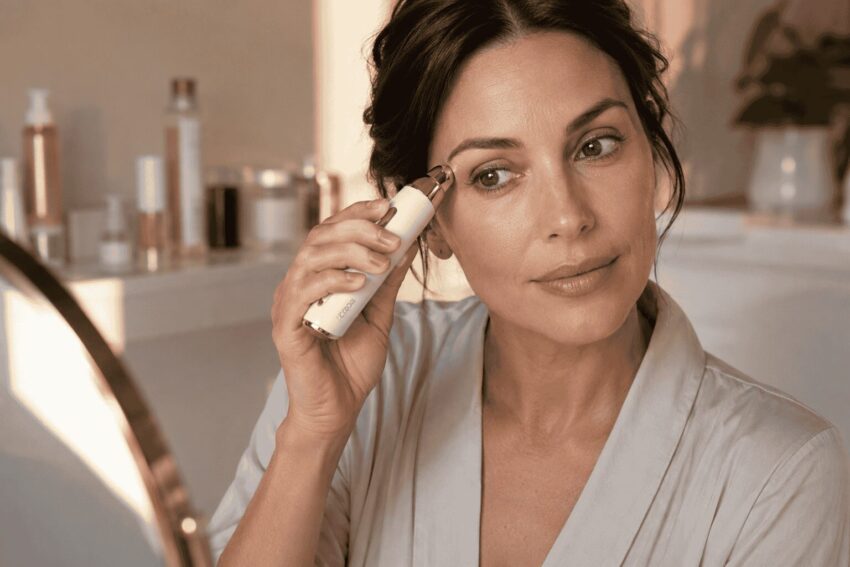
One category of technology that’s gaining serious traction among skincare-savvy women is the Eyelid Anti-Aging Device a targeted tool that uses advanced energy-based technology to firm, lift, and rejuvenate the eye area without needles or clinic visits. In this article, we’ll break down exactly why the eye area ages the way it does, what to look for in a quality device, and how to get the most out of your investment.
Understanding Why the Eye Area Ages So Quickly
To appreciate why specialized devices matter, it helps to first understand the biology at play. The skin around the eyes is only about 0.5 mm thick — roughly one-third the thickness of skin on other parts of your face. This means it has less collagen, fewer oil glands, and a much more limited ability to retain moisture.
Combine that with the fact that we blink approximately 10,000 times a day and the muscles around the eye are in near-constant motion, and it’s easy to see why crow’s feet, hooded lids, and under-eye hollows develop earlier than wrinkles elsewhere.
Key Factors That Accelerate Eyelid Aging
- UV exposure: Even brief, cumulative sun exposure degrades collagen and elastin in the eyelid skin faster than in thicker facial skin.
- Digital eye strain: Squinting at screens for hours causes repeated muscle contractions that deepen expression lines over time.
- Sleep deprivation: Poor sleep disrupts skin repair cycles, contributing to puffiness, dark circles, and a loss of firmness.
- Collagen loss: After age 25, we lose roughly 1% of our skin’s collagen every year — and the eye area feels this loss the most acutely.
- Rubbing and tugging: Daily habits like removing eye makeup can stretch and traumatize the delicate periorbital skin over time.
What Is an Eyelid Anti-Aging Device?
An eyelid anti-aging device is a compact, handheld tool engineered to address the specific concerns of the periorbital zone — the area surrounding the eyes. Unlike general facial devices that cover broad areas, these tools are built with precision applicators and gentler energy outputs suited to the thin, sensitive skin of the eyelids and under-eye area.
Most quality devices combine two or more technologies to deliver visible results. Here’s a quick overview of the most common ones:
Radio Frequency (RF) Energy
RF energy delivers controlled heat deep into the dermis, stimulating the production of new collagen and elastin. For the eye area, this translates to firmer, more lifted lids and a reduction in fine lines over time. RF is widely considered one of the gold standards in non-invasive skin tightening.
Photon Light Therapy (LED)
Red and near-infrared LED light penetrates the skin to accelerate cellular repair and reduce inflammation. Red light in particular is excellent for boosting collagen synthesis, while near-infrared can help with puffiness and improve microcirculation around the eyes.
Microcurrent Stimulation
Microcurrent delivers ultra-low-level electrical currents that mimic the body’s natural bioelectric field. When applied to the eye area, microcurrent helps tone the delicate orbicularis oculi muscle — the ring-shaped muscle surrounding the eye — giving a subtle lifting effect that’s often compared to a “facial workout.”
Sonic Vibration
Some devices incorporate gentle sonic vibrations to enhance the absorption of any accompanying serums or creams, improve lymphatic drainage to reduce puffiness, and deliver a mild massage effect that promotes circulation.
What to Look for When Choosing an Eyelid Device
Not all devices are created equal. When you’re evaluating your options, here are the features that separate a quality tool from a gimmick:
- Precision applicator: The device should have a small, contoured tip designed specifically for the orbital area — not a large paddle designed for the cheeks or forehead.
- Multiple modalities: The best devices combine RF, LED, and microcurrent for a synergistic effect rather than relying on a single technology.
- Adjustable intensity levels: Sensitive skin around the eyes means you need control over how much energy is delivered.
- Safety features: Look for auto-shutoff, skin-contact sensors, and clinically tested safety certifications.
- Ease of use: A device you’ll actually use consistently is far more valuable than a complex one that collects dust in a drawer.
A Closer Look at the EvenSkyn Venus
Among the devices gaining attention in the at-home skincare space, the Venus Eye Wrinkle Anti-Aging Device from Evenskyn stands out for its focused approach to periorbital rejuvenation. The device is engineered to address the four primary concerns of the eye area: wrinkles, sagging skin, puffiness, and dark circles.
It combines RF energy, photon light therapy, microcurrent, and sonic vibration into one sleek, ergonomic tool. The applicator is purpose-built for the delicate eye zone, and the device includes multiple intensity modes so you can customize your treatment. For anyone who’s been hesitant to invest in an at-home device because they weren’t sure it would be safe or effective around the eyes specifically, the Venus addresses that concern directly.
What’s particularly notable is the design philosophy: rather than offering a generic facial device with an attachment tip for the eyes, this is a device that starts with the eye area as its primary focus. That distinction matters when you’re working with skin as sensitive as the eyelids.
How to Build an Effective At-Home Eye Rejuvenation Routine
Owning a quality device is only half the equation. Consistency and technique are what drive real results. Here’s a framework for getting the most out of your eyelid anti-aging routine:
Step 1: Cleanse Thoroughly
Before using any device, make sure the eye area is completely free of makeup, sunscreen, and skincare products. Residue can interfere with the device’s conductivity and potentially cause irritation.
Step 2: Apply a Conductive Serum or Eye Gel
Many devices work more effectively when used with a hydrating, conductive medium. Look for serums formulated with hyaluronic acid, peptides, or niacinamide — ingredients that complement the device’s action and support the skin barrier.
Step 3: Use the Device as Directed
Follow the manufacturer’s guidelines for treatment time and motion. For most RF-based eye devices, slow, consistent gliding movements from the inner corner of the eye outward — and gentle tapping motions under the eye — are standard technique. Avoid direct contact with the eyeball.
Step 4: Apply Eye Cream Post-Treatment
After treatment, the skin is primed to absorb active ingredients more effectively. Apply a targeted eye cream with retinol, caffeine, or vitamin C to capitalize on this enhanced absorption window.
Step 5: Protect Your Results
Wear SPF every single day — yes, even around your eyes. UV damage is the number one external driver of premature aging, and it will undo the progress you’re making with your device if you skip sun protection.
Managing Expectations: What Results Can You Realistically Expect?
It’s important to be realistic about what at-home devices can and can’t do. They are not a replacement for surgical blepharoplasty or clinic-based treatments for severe laxity. But for the vast majority of women dealing with mild to moderate eyelid concerns, consistent use of a quality device delivers meaningful, visible improvement.
Most users report noticing subtle improvements in skin texture and hydration within the first two to four weeks. Firming and lifting effects from collagen remodeling typically become more apparent between six and twelve weeks of consistent use, as new collagen takes time to form and mature.
The key word is consistent. A device used three to five times per week will outperform one used sporadically. Treat it the way you treat your skincare routine — as a non-negotiable part of your self-care practice.
Fitting Eye Care Into a Busy Mom’s Life
If you’re anything like the readers here at Forgetful Momma, you know that finding time for elaborate beauty routines isn’t always realistic. That’s actually one of the most compelling arguments for at-home devices: a five-to-ten minute treatment session done while you’re winding down for the night is far more achievable than scheduling and attending clinic appointments.
Keep your device on your nightstand with your eye cream and serum. Create a visual trigger that makes it easy to remember. And if you miss a day, don’t spiral — just pick back up the next session. Skincare is a long game, and showing up consistently over months is what moves the needle.
Final Thoughts
The skin around your eyes is telling a story — one that includes your lifestyle, your sleep habits, your time in the sun, and the natural passage of time. The encouraging news is that modern at-home technology has made it possible to meaningfully influence that story without invasive procedures or expensive spa visits.
A dedicated eyelid anti-aging device, used consistently as part of a broader skincare routine, can help reduce the appearance of fine lines, firm sagging skin, and give the eye area a more rested, lifted look. The investment is reasonable, the process is safe when guidelines are followed, and the results — while gradual — are real.
Your eyes deserve the same care and intention you give the rest of your skin. Start there.