
Home isn’t just about eating and resting. What most forget is how often it turns into an office, a spot for lessons, and a place where people hang out.
When kids show up, suddenly things like floor material or shelf height start to matter. A layout that felt right now doesn’t fit. That’s why flexible living spaces flow better for big or busy families. They keep things tidy simply by how everything fits together naturally. Little details add up to fewer hassles over time.
It’s one of the reasons folks check out house plans by Archival Designs. Growing families need space that fits real routines. The best part is these seven features aren’t costly upgrades. Just smart touches that ease everyday tasks.
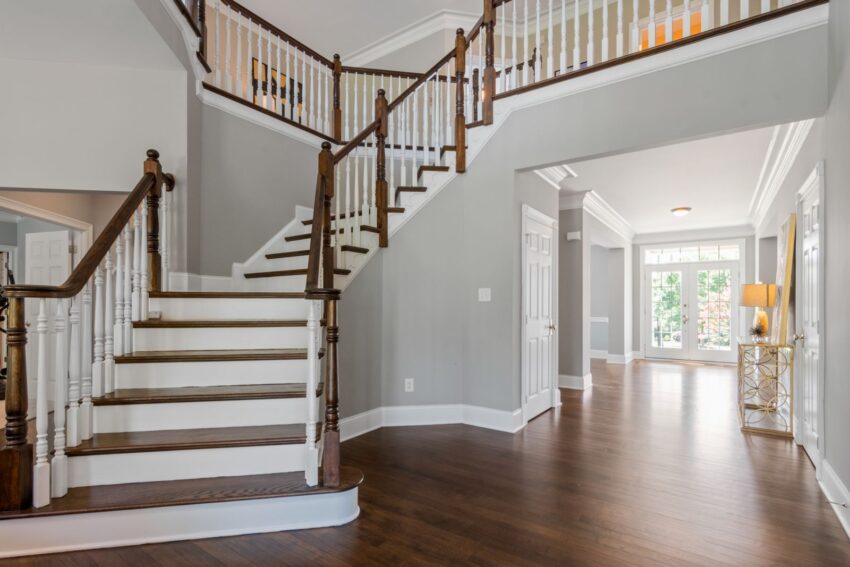
1. A Dedicated Mudroom That Contains the Chaos
Home entryways bear the brunt of daily life. It’s where shoes pile up, along with school bags and gym clothes.
Stuff piles up fast without a spot to put them away. But with a well-designed mudroom, when people come inside, they’ve got spots just for their stuff. No more tossing bags by the door because there’s a spot that holds shoes, coats, maybe even muddy boots. For those teaching at home, having a spot nearby for nature kits, paint boxes, or math books also makes it easier to keep things tidy.
A few basic touches could make your mudroom work better for your daily life. You can add things like shelves tucked into walls, a seat with storage underneath, or mounted hooks for extra storage.
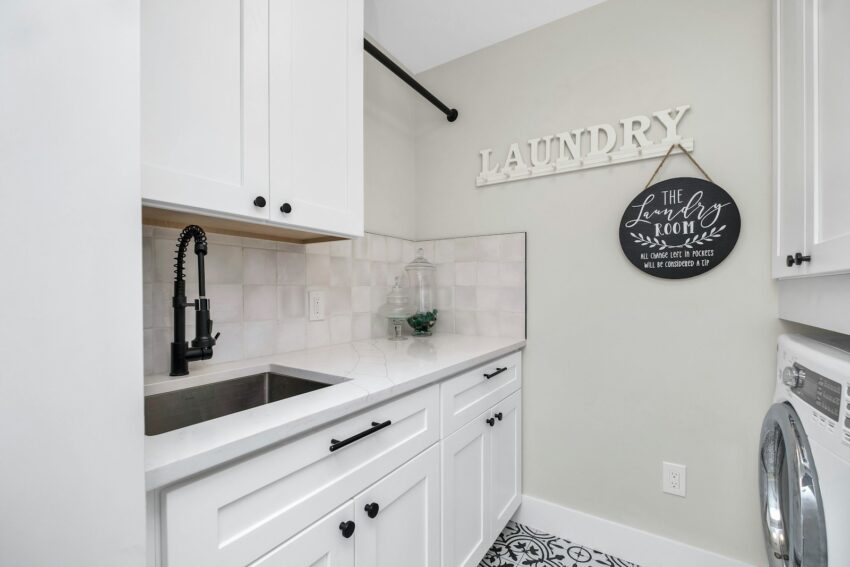
2. A Laundry Room Right Where You Need It
Piles of clothes always show up just when you think you’re done. Right after putting away the last stack, a fresh batch turns up out of nowhere. For this reason, where you place the laundry space tends to matter a lot.
Heavy loads, for example, would make stair trips a chore if your laundry room is downstairs. Also, getting clothes would mean crossing the whole house, again and again, when wash areas sit far from bedroom closets. That’s why in some family homes, washing spots are now close to where folks sleep.
Also, having a spot for everything keeps things tidy. Detergent tucked into cabinets, towels on open shelves, flat surfaces ready for folding. All these details stop laundry from spilling into living rooms or kitchens.
3. More Flexible Living Spaces
Families change. Children grow. Work situations evolve. How your house fits into life might be nothing like it is now in a few years. Because of this, adaptable home layouts tend to be more and more valuable as years go by.
One room could start as a playroom and shift toward a study room once the little ones grow. With remote jobs on the rise, the same room could also serve as a workspace when the kids are in school. Later you could turn it into a guest room for out-of-town family.
What matters is having a flexible layout. When rooms aren’t stuck doing just one job, they can shift as your household shifts. People who plan for change at first usually skip expensive rebuilds down the road since their space adapts on its own. Life moves, and so can the way walls are used.
4. Smarter Storage Throughout the House
A bigger house doesn’t always fix clutter. How you arrange it usually counts more.
Most big or busy families gain a lot from smarter storage solutions. Keep the counters clear with a walk-in pantry that holds food, machines like blenders, even cleaning items. Tuck away towels, sheets, and spare basics neatly inside linen closets. Use empty walls for extra storage with built-in shelves.
Hidden spaces, especially, often hold the most potential. Under stairs, tucked into corners, these spots stay out of sight yet add space. Built-in units blend right in, offering room without changing how a house feels.
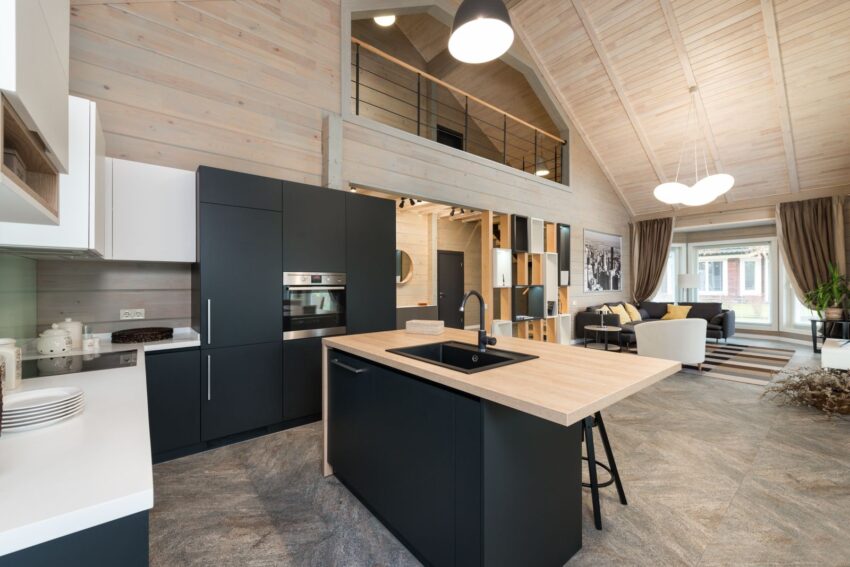
5. An Open Layout That Still Offers Separation
Most households still like open layouts since these fit how they actually use their space every day.
Meals come together easily when the kitchen opens right into where kids do their schoolwork. A single space holds cooking, chatting, and helping with homework, all at once. This setup keeps everyone within reach, even during busy moments.
Still, an open layout has its trade-offs. Finding quiet moments is tough when everyone shares one living area. Schoolwork might get drowned out by loud TV shows. Working from home might mean dealing with overlapping conversations.
Openness works best when it has smart divides. Think along the lines of a flex room, loft, pocket door, or even a glass sliding door. They can provide privacy when needed without making the home feel closed off.
6. A Bedroom That Feels Like an Escape
Most of a parent’s time goes to looking after people. As duties at home pile up, a cozy spot just for themselves starts to matter more. Adding a roomy bathroom, a walk-in closet, or simply placing the bedroom in a quiet space away from noisy hallways and busy rooms can be the perfect escape for busy moms.
Over time, a well-designed and well-placed bedroom becomes a personal retreat within the home. Even though folks tend to overlook it while touring houses, it becomes what people value most after moving in.
7. A Two-Story Home Built Around How Families Live
A second floor often makes sense when kids enter the picture. Upstairs winds up being where sleep happens, while daily life stays grounded below. The separate levels let family life flow without everyone bumping into each other.
Another bonus is that a second floor means less ground covered. By building higher rather than wider, yards stay spacious. Perfect for games, gardens, maybe just open sky.
While looking around for inspiration for two-story home layouts, lots of people pay attention to bedrooms grouped upstairs, open lofts that serve different purposes, and spaces built to shift as kids get bigger.
Choosing a Home That Works for Your Family Today and Tomorrow
Life looks different in every household. What counts in a house ties back to the way days unfold there. Daily habits shape what feels essential. A kitchen might matter more than a porch. Or maybe it is the reverse. How time passes at home also decides what matters.
Picture your household a few years down the line while reviewing floor plans. Storage might turn into a bigger priority than today suggests. Quiet corners for schoolwork could matter once kids settle into routines. Rooms that adapt easily tend to help when daily patterns shift.