
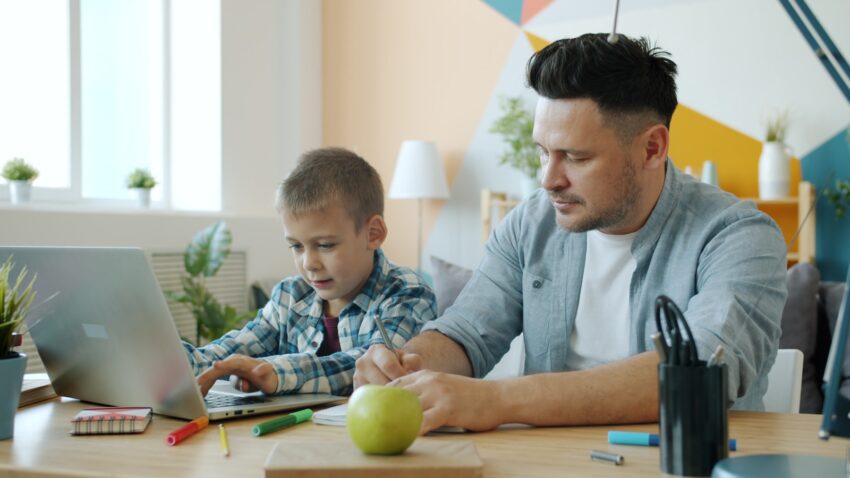
The transition to digital learning has opened up a world of knowledge for our kids, but it also brings new challenges for parents. When your dining table becomes a classroom, you are not just the teacher; you are also the IT manager. Ensuring your children can research and study safely is a top priority. It is about more than just blocking bad websites. It is about teaching them how to handle their data and creating a setup that protects their privacy from the very start.
Choose Tools That Prioritize Privacy
Most people use the most common software without thinking twice, but these programs often track every click your child makes. Start by installing a browser that focuses on data protection and blocks trackers automatically. You can also change the default search engine to one that does not store personal history. This way, when your kids look up facts for a history project, their search behavior is not used to build a profile for advertisers. Using these tools is a great way to show your children that they have control over their personal information.
Teach Smart Habits Early
One of the best things you can teach your kids is how to create strong passwords. Instead of using a simple word like the name of a pet, encourage them to use “passphrases.” These are long sentences that are easy to remember but hard for computers to guess. You can even use a dedicated management tool to keep track of everything safely. Since many school platforms now require a personal email to log in, having a secure way to manage these credentials prevents a lot of stress. It is a practical skill they will use for the rest of their lives.
Secure Your Home Network Connection
Your home Wi-Fi is the gateway to all your family’s devices. Make sure your router has a strong, unique password and that the software is up to date. For an extra layer of safety, you might want to look into using a virtual private network. This encrypts the data leaving your house, making it much harder for outsiders to see what is happening on your network. According to the National Cybersecurity Alliance, teaching children about the basics of secure connections is a fundamental part of modern parenting.
Managing Digital Communication Safely
As kids get older, they need to communicate with tutors or online classmates. This is a good time to talk about what should and should not be shared online. Explain that once a message or a photo is sent, they no longer own it. To keep their conversations private, look for services that use end-to-end encryption to ensure only the sender and receiver can read the content. You can always find more tips to help keep healthy digital habits for everyone in the house.
Setting up a safe space for online learning does not have to be complicated. By making a few small changes to your settings and having open conversations about digital safety, you give your children the freedom to explore the internet with confidence. It is all about building a foundation of good habits. When you take these steps today, you are helping your kids become responsible and savvy digital citizens for tomorrow.