
People are getting way less impressed by homes that feel loud, performative, and overstimulating. Giant open layouts, glossy surfaces reflecting light everywhere, massive entertainment walls, bright white LEDs blasting through the house at midnight, and kitchens packed with visible appliances started feeling exhausting after a while. A lot of homeowners are realizing something pretty blunt now: if a house constantly keeps your brain alert, it does not matter how expensive it looks. It still feels draining to live in.
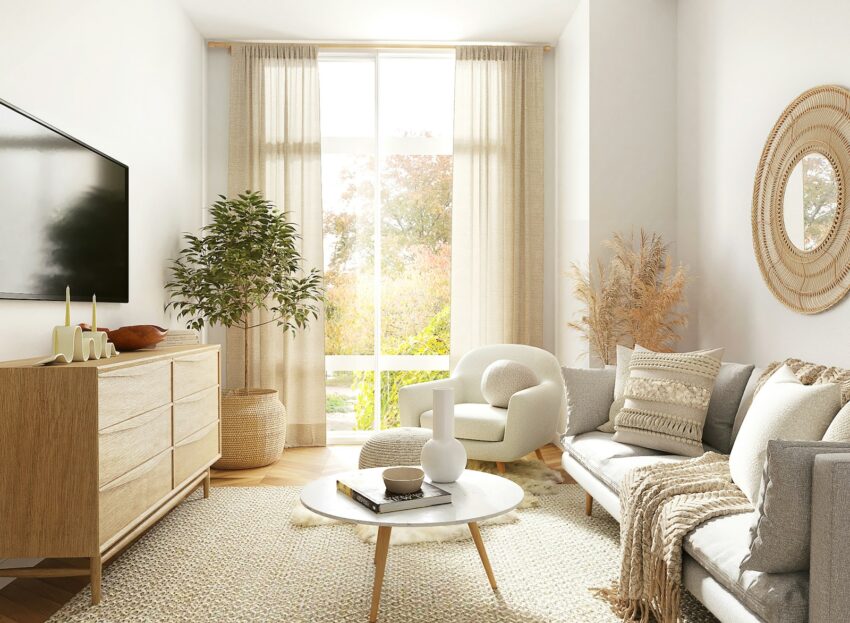
You can feel this heavily in places like Boca Raton, FL, where coastal weather, storm preparation, bright sunlight, luxury design culture, and nonstop digital routines all collide. Homeowners are no longer only chasing “high-end” interiors. They want homes that actually protect their peace a little. Quieter materials, softer lighting, reduced visual clutter, stronger security features, and calmer spaces are becoming status symbols in a completely different way now.
Reinforced Windows
People used to think impact windows were purely about storm prep. Now they are becoming part of a much bigger lifestyle transition around comfort, quiet, and emotional security inside the home. Thin older windows let everything inside. Street noise, harsh sunlight, lawn equipment, pounding rain, neighborhood traffic, barking dogs, and intense Florida heat all push straight through the glass constantly. The house never fully settles because outside energy keeps leaking into every room all day long.
Moreover, reinforced window systems are suddenly tied closely to calmer home environments now. Better insulation, stronger glass layering, and sound reduction completely change how a home feels from the inside. Many homeowners now consult Boca Raton impact windows installation experts because they want the house to feel quieter, safer, cooler, and less exposed overall. The difference becomes obvious fast. Rooms hold temperature better, outside noise softens dramatically, and even storms feel less mentally stressful once the house itself feels sealed off properly instead of vulnerable every time the weather shifts outside.
Cooler-Touch Materials
A lot of modern interiors accidentally started feeling physically hostile during warmer months. Glossy black counters heat up fast, polished metal surfaces reflect aggressive sunlight, and dense synthetic materials trap warmth throughout the day. Some homes genuinely feel hotter simply because every finish inside bounces heat and glare around nonstop. You walk barefoot across certain floors in summer and immediately regret it.
As such, cooler touch materials are becoming such a huge design trend lately. Lime-based plaster walls, matte stone surfaces, pale oak cabinetry, textured ceramic finishes, and brushed mineral materials all create interiors that feel softer physically and visually. Even oversized boucle furniture is getting replaced in some homes because people are realizing heavily textured synthetic fabrics can feel suffocating during hotter months.
Screen-Free Mornings
A lot of people wake up and immediately slam themselves into digital overload without even thinking about it anymore. Phone alarms turn into emails, emails turn into scrolling, televisions start talking in the background, and the nervous system basically gets attacked before breakfast even happens. Homeowners are finally starting to push back against that pattern because it leaves people mentally fried way too early in the day.
Screen-free morning spaces are becoming surprisingly popular in newer home layouts. Breakfast nooks with softer daylight, small coffee corners away from televisions, window seating with books nearby, and calmer kitchen layouts are replacing hyper-connected morning routines. Some homeowners are even removing televisions from open kitchen areas completely because they want mornings to feel slower instead of chaotic right away.
Hidden Appliance Storage
Modern kitchens got visually ridiculous for a while. Espresso machines, giant air fryers, charging docks, blenders, stand mixers, toaster ovens, water filtration systems, and endless countertop gadgets started swallowing entire kitchens visually. Even expensive kitchens began feeling mentally cluttered because there was constantly something sitting out demanding attention from every direction.
Now homeowners are aggressively pulling all that visual noise out of sight. Appliance garages, hidden coffee stations, retractable charging drawers, flush cabinetry, and concealed pantry walls are becoming huge because people want kitchens that feel calmer while still functioning well daily. The funny part is, kitchens actually start looking more luxurious once the chaos disappears. A clean prep space with hidden storage instantly feels more elevated than a counter packed with expensive gadgets everywhere.
Ambient Hallway Lighting
Bright hallway lighting feels brutal at night once you start paying attention to it. You leave the bedroom half asleep, flip one switch, and suddenly the hallway looks like a hospital corridor at 2 a.m. A lot of homes accidentally destroy nighttime calm simply because every transition space stays lit with harsh overhead fixtures designed for maximum brightness instead of comfort.
Ambient hallway lighting completely changes that atmosphere. Soft recessed floor lighting, dimmable sconces, under console glow lighting, and motion-activated warm fixtures create homes that feel dramatically calmer after dark. Some newer homes are even integrating hidden LED channels behind wall panels or stair edges so light feels indirect instead of blasting straight into your eyes. The effect feels subtle until you experience it consistently. Suddenly, the house stops waking you up aggressively every time you move through it at night. It starts feeling quieter emotionally, even when nobody says a word.
Silence and Decompression Spaces
People are finally admitting something that probably should have been obvious years ago: homes got way too noisy. Notifications echo from every room, televisions compete with kitchen sounds, people work remotely on overlapping calls, and open layouts let every conversation travel through the house nonstop. A lot of homeowners are now craving spaces where absolutely nothing is demanding their attention for a little while.
Hence, decompression rooms are becoming a real thing now instead of sounding overly dramatic. Some people convert small spare rooms into quiet rest spaces with softer acoustic materials, low lighting, floor cushions, and zero screens. Others create tiny meditation corners or listening rooms where the point is literally just sitting in silence without interruption. The important part is psychological separation. Once the house includes one area specifically designed to lower stimulation instead of increasing it, the entire atmosphere of daily life starts feeling more manageable.
Softer Acoustic Design
Modern homes can sound terrible without people realizing why they constantly feel overstimulated inside them. Giant open layouts, polished concrete floors, oversized windows, smooth drywall, and hard surfaces everywhere create nonstop echo and background noise. Every dropped spoon sounds sharp, conversations bounce across rooms, and televisions somehow feel louder even at normal volume because the house amplifies everything constantly.
In response to this, textured wall panels, thicker drapery, acoustic plaster finishes, oversized rugs, upholstered walls, and sound-absorbing ceiling features all help homes feel calmer immediately. Some homeowners are even using acoustic wood slat walls inside offices and bedrooms because they reduce noise while still looking modern.
Homes are shifting away from overstimulation because people are exhausted by environments that constantly demand attention. Stronger windows, quieter lighting, and softer acoustics are changing what modern comfort actually looks like now.