
Youth sports are one of the greatest gifts we can give our kids. From Saturday morning soccer games to high school basketball tournaments, organized athletics teach teamwork, discipline, and resilience. But let’s be honest — as parents, we also carry a quiet fear every time our child steps onto that field or court. What happens if they get seriously hurt? And what happens if that injury wasn’t just bad luck but someone else’s fault?
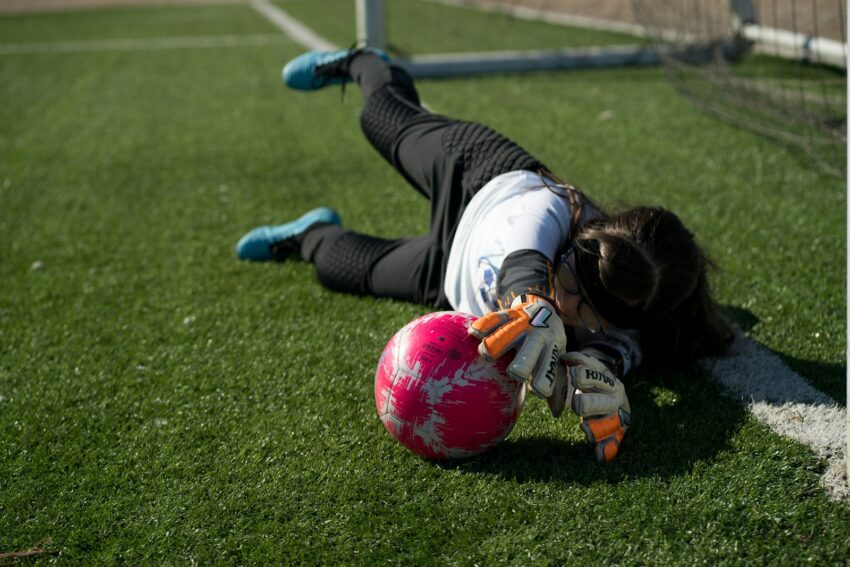
This is a conversation more parents need to be having, and yet most of us aren’t prepared for it until we’re sitting in an emergency room filling out paperwork. Whether you’re a sports mom juggling three kids’ schedules or a parent whose child just started their first season of competitive play, understanding your legal rights after a sports injury can make an enormous difference — financially, emotionally, and practically.
If your child has been seriously hurt during an organized sport, consulting with experienced Sports Injury Claims Lawyers early on can help you understand whether negligence played a role and what options are available to your family.
Understanding Sports Injuries: More Than Just “Part of the Game”
There’s a phrase every sports parent has heard: “injuries are just part of the game.” And to a degree, that’s true. A twisted ankle during a soccer sprint or a bruised elbow from a baseball slide — these are inherent risks of athletic participation. Courts and legal systems generally recognize this through a concept called assumption of risk, which means that by participating in a sport, players (and parents on their behalf) acknowledge the possibility of certain injuries.
But here’s where many parents get confused: not all sports injuries fall under assumption of risk.
There’s a significant legal and moral difference between an injury that results from the normal course of play and one that results from:
- Negligent supervision by coaches or staff
- Defective or poorly maintained equipment
- Unsafe playing surfaces or facilities
- Reckless or intentional conduct by another player
- Failure to provide prompt or adequate medical attention
- Inadequate safety protocols
When an injury crosses from “an unfortunate accident” into “someone was negligent,” your family may have a valid legal claim — and you deserve to understand that distinction.
Common Types of Sports Injury Claims
Negligent Supervision
Coaches and school staff have a duty of care toward the athletes under their supervision. If a coach fails to properly train athletes, ignores warning signs of injury, forces a hurt child to keep playing, or doesn’t intervene when bullying or reckless play is occurring, they may be held liable for any resulting harm.
Equipment and Product Liability
Sports gear is specifically designed to protect athletes. When helmets crack from manufacturing defects, shin guards fail to absorb impact, or harnesses malfunction, the manufacturer or equipment provider may bear responsibility. These cases often fall under product liability law and can be particularly complex — which is exactly why having a qualified legal professional review the circumstances matters so much.
Premises Liability
Sports facilities — whether public parks, school gyms, or private sports complexes — are responsible for maintaining reasonably safe conditions. A gym floor with a dangerous slippery patch, a soccer field with hidden debris, or a swimming pool with broken tiles can all be grounds for a premises liability claim if they contributed to an injury.
Concussions and Traumatic Brain Injuries
This is an area that has gained enormous attention in recent years, and rightfully so. We now know far more about the long-term effects of repeated head trauma than we did even a decade ago. If a coach, organization, or school failed to follow established concussion protocols — or pressured an athlete to return to play too soon — the consequences can be devastating, and legal accountability may be appropriate.
The Emotional Reality: Why Parents Often Don’t Pursue Claims
One of the most common barriers parents face isn’t legal — it’s emotional. Many families feel guilty about “going legal” over a sports injury. They don’t want to be seen as litigious or as troublemakers in their community. They worry about how it will affect their child’s relationship with the team or school.
These are real feelings, and they’re worth acknowledging.
But here’s another perspective: pursuing a legitimate sports injury claim isn’t about punishment or retaliation. It’s about accountability, and often, it leads to systemic changes that protect future athletes. When a school is held responsible for ignoring unsafe field conditions, they fix those conditions. When a sports organization faces consequences for inadequate medical protocols, they improve them.
Your child’s injury — as painful as it is — can sometimes become the reason another family doesn’t go through the same experience.
What to Do Immediately After a Serious Sports Injury
If your child is seriously hurt during a sporting event, the steps you take in the immediate aftermath can significantly affect any future legal claim. Here’s what to keep in mind:
- Get medical attention first. This should always be the priority. Don’t let concerns about insurance, costs, or “making a big deal out of it” delay proper medical evaluation.
- Document everything. Take photographs of the injury, the playing surface, the equipment involved, and any visible conditions that may have contributed. Do this as soon as it’s safe and practical.
- Gather witness information. Other parents, coaches, players, and referees may have seen what happened. Their contact information can be invaluable later.
- Request incident reports. Most schools and organized sports leagues are required to file incident reports. Ask for a copy and keep it.
- Preserve any equipment. If a piece of gear failed, don’t throw it away — it may be critical evidence.
- Keep a record of your expenses and your child’s condition. Medical bills, therapy costs, missed school days, and the emotional impact on your child are all relevant to a potential claim.
- Consult a lawyer before signing anything. Schools, sports organizations, and insurance companies sometimes move quickly to have families sign waivers or settle claims. Before you put your signature on anything, speak with a legal professional.
What About Waivers and Consent Forms?
Nearly every organized sport requires parents to sign a waiver before their child can participate. Many parents assume these waivers mean they have no legal recourse if something goes wrong.
That’s not always true.
Waivers can limit or eliminate certain claims, but they are not blanket shields against all liability. In many jurisdictions, waivers cannot waive liability for gross negligence, intentional misconduct, or violations of safety regulations. A lawyer who specializes in sports injury claims can review the specific waiver you signed and explain what rights you still retain.
Choosing the Right Legal Representation
Not all personal injury lawyers have experience with sports injury cases specifically. These claims can involve complex intersections of premises liability, product liability, negligence law, and even educational law when schools are involved. You want someone who understands the nuances.
When looking for representation, consider a firm like Affinity Lawyer, which focuses on personal injury cases and has experience navigating the specific challenges of sports injury claims. A good lawyer will offer an initial consultation to help you understand whether you have a case, what it might be worth, and what the process looks like — without pressuring you into anything.
Key questions to ask any prospective lawyer include:
- Have you handled sports injury claims before?
- Do you work on a contingency fee basis (no fee unless you win)?
- What is your assessment of the strength of my case?
- How long do I have to file a claim in my state or province?
- What damages might my family be entitled to?
What Compensation Can Cover
If a sports injury claim is successful, compensation can cover a wide range of damages, including:
- Medical expenses — both current treatment and anticipated future care
- Rehabilitation and physical therapy costs
- Pain and suffering
- Emotional distress
- Lost future earnings, if the injury affects your child’s long-term capacity
- Costs of adaptive equipment or ongoing care for serious or permanent injuries
Every case is different, and the amount recoverable will depend on the specific circumstances, the jurisdiction, and the nature of the negligence involved. A qualified attorney can give you a realistic picture of what to expect.
A Note for the Mom Who’s “Just Trying to Get Through the Week”
If you’re a busy parent reading this while waiting for practice to end or during a rare quiet moment at home, I want to say this directly: you don’t have to know all of this by heart. You don’t have to become a legal expert.
What matters is knowing that resources exist and help is available — and that you don’t have to navigate a serious sports injury alone.
If you’re already managing a household, a career, school schedules, and the emotional fallout of a child’s injury, adding a legal process to the mix can feel completely overwhelming. That’s exactly why the right attorney matters. They handle the complexity so you can focus on your family.
For more practical parenting guidance on navigating difficult situations, Forgetful Momma covers a wide range of real-life challenges that busy parents face every day — from health and family decisions to navigating systems that weren’t exactly designed with parents in mind.
Final Thoughts: Know Your Rights Before You Need Them
No parent wants to imagine their child suffering a serious sports injury. But the parents who fare best in these situations emotionally, legally, and financially — are often the ones who took a little time to understand their rights before something went wrong.
Sports injuries that result from negligence, unsafe conditions, or defective equipment are not simply “bad luck”. They are situations where accountability matters, where the law can provide meaningful relief, and where speaking up can lead to better safety for every young athlete who comes after your child.
If you’re in the middle of this experience right now, or if you’re simply being a proactive parent, consider taking 30 minutes to consult with a sports injury attorney. Many offer free initial consultations, and that conversation might give you more clarity and peace of mind than you expected.