
Wooden puzzles have made a serious comeback, and it’s easy to see why. They offer a tactile, screen-free experience that cardboard simply can’t match. But buy one online without knowing what to look for, and you could end up with a flimsy product that disappoints from the first piece. The online market is full of options at every price point, and not all of them deliver on their promise. So before you click “add to basket,” here’s exactly what you should check to make sure your wooden puzzle is worth every penny.
Wood Quality and Material Thickness
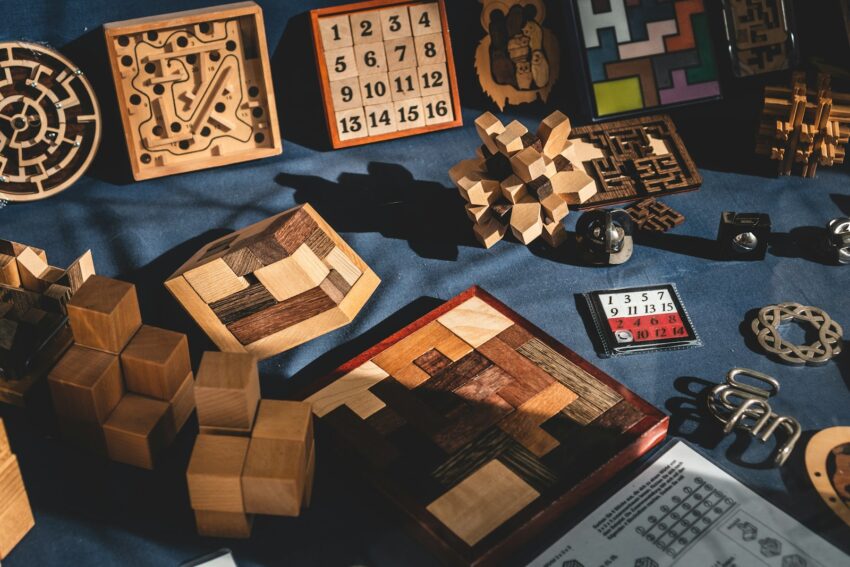
The foundation of any good wooden puzzle is the material itself. Not all wood is equal, and the difference between a quality board and a poor one becomes obvious the moment you handle the pieces.
Look for puzzles made from Baltic birch plywood or hardwood, as these materials hold their shape well and resist warping over time. Creative wooden puzzles with unique designs tend to use higher-grade wood precisely because fine detail in the cuts and artwork depends on a stable, smooth surface. If the product listing doesn’t mention the wood type, that’s usually a sign worth noting.
Thickness matters too. A piece that’s at least 4mm to 5mm thick feels sturdy in your hand and sits flat on the table without curling. Thinner wood, particularly anything under 3mm, tends to flex and can break at intricate cut points. Always check the product specifications for thickness before you buy, and if that information isn’t listed, ask the seller directly.
Precision Cutting and Piece Fit
Even the most beautiful design loses its appeal if the pieces don’t fit together properly. Precision in the cutting process is what separates a satisfying puzzle from a frustrating one.
Laser-cut wooden puzzles are the current standard for good reason. The cuts are sharp, consistent, and accurate to a fraction of a millimetre. As a result, the pieces slot together with a satisfying snug fit rather than rattling loosely or jamming together awkwardly.
When you review product photos or customer images, look closely at the jigsaw joints. Smooth, clean edges with no splintering or rough burrs suggest quality laser cutting. Jagged or uneven edges, but, point to lower-grade production.
It’s also worth reading reviews specifically for comments about piece fit. Buyers rarely stay quiet about pieces that are too loose or too tight, so the review section often tells you more than the product description ever will. A well-cut puzzle holds together as a finished image without the need for glue or framing aids.
Number of Pieces and Difficulty Level
Piece count is one of the most direct ways to judge how challenging a wooden puzzle will be, but it’s not the only factor. The shape variety of the pieces plays just as large a role in difficulty.
For beginners or younger solvers, a puzzle with fewer than 200 pieces and straightforward shapes is a sensible place to start. Intermediate puzzlers tend to enjoy the 300 to 500 piece range, where the image becomes more complex and the shapes more varied. Advanced solvers, on the other hand, often look for 500 pieces or more, particularly those that include unusual or themed piece shapes, which add an extra layer of challenge.
Before you buy, consider who the puzzle is for and what level of challenge suits them. Many online listings also specify an age range or difficulty rating, so use those as a guide. A puzzle that’s too simple loses its appeal quickly, while one that’s far too complex can become discouraging rather than enjoyable.
Image Quality and Design
A wooden puzzle is as much a visual experience as it is a hands-on one. The image printed or applied to the surface should be sharp, vibrant, and resistant to fading or peeling.
Look for puzzles that use UV printing or high-quality ink directly bonded to the wood. These methods produce colours that stay vivid even after repeated assembly and disassembly. In contrast, puzzles with paper images glued onto the surface often peel at the edges over time, particularly in humid environments.
The design itself matters too. A well-chosen image provides enough visual variety to make sorting and solving possible. Landscapes, detailed illustrations, and abstract art all tend to work well because they offer distinct colour zones and patterns. But, be cautious with designs that use very large areas of a single colour, as these sections become notoriously difficult to piece together.
Take time to zoom into the product images provided online. If the artwork looks blurry or pixelated even on the flat board in the listing photos, the finished puzzle is unlikely to improve on that impression.
Sustainability and Eco-Friendly Credentials
More buyers now consider the environmental impact of what they purchase, and wooden puzzles are no exception. The good news is that wood, as a natural material, is inherently more sustainable than plastic alternatives, but the specifics still matter.
Look for puzzles made from FSC-certified wood, which confirms the timber came from responsibly managed forests. This certification gives you confidence that the product didn’t contribute to deforestation or unsustainable logging practices.
Beyond the wood itself, check the packaging. Excessive plastic wrapping around a natural wood product is a contradiction worth noting. Many quality sellers now use recyclable cardboard boxes and paper-based inner packaging, which aligns better with the natural character of the product.
Also consider where the puzzle was produced. Locally or regionally manufactured puzzles carry a smaller transport footprint than those shipped from the opposite side of the world. Some sellers are transparent about their production location, and that transparency itself is often a good sign of overall product quality.
Budget, Value, and What You Get for Your Money
Wooden puzzles span a wide price range, and the cost doesn’t always reflect quality in a straightforward way. Hence, it pays to know what you’re actually comparing.
At the lower end of the market, you’ll often find thin wood, basic designs, and loose-fitting pieces. These products aren’t without merit, particularly for children or casual puzzlers, but they won’t offer the same experience as a mid-range or premium option.
In the mid-range, you generally find a noticeable step up in wood thickness, laser-cut precision, and artwork quality. For most buyers, this is where the best balance of price and satisfaction sits. Premium puzzles command higher prices, often because of handcrafted elements, exclusive designs, or a particularly high piece count with complex shape variety.
When you compare options, look beyond the headline price. Consider the number of pieces per pound spent, the wood thickness specified, and whether the seller offers any guarantee or return policy. A slightly higher price from a seller with strong reviews and a clear returns process is usually the safer investment compared to a cheaper product with no recourse if it disappoints.
Conclusion
Buying a wooden puzzle online doesn’t have to feel like a gamble. Focus on wood quality, precision cutting, piece count, image clarity, sustainability, and overall value, and you’ll have a strong framework for any purchase decision. Take a few extra minutes to read reviews, check specifications, and compare sellers. The right wooden puzzle delivers genuine satisfaction, and with the right information, you’re well placed to find one that does exactly that.