
Over the past decade, van conversions have evolved from simple DIY projects into a full-fledged segment of the travel and housing market. What was once associated with minimalism and budget travel now spans everything from basic weekend setups to high-end, fully equipped mobile living spaces. As the market has matured, so has the range in pricing, making it increasingly difficult to answer a simple question: how much does a van conversion actually cost?
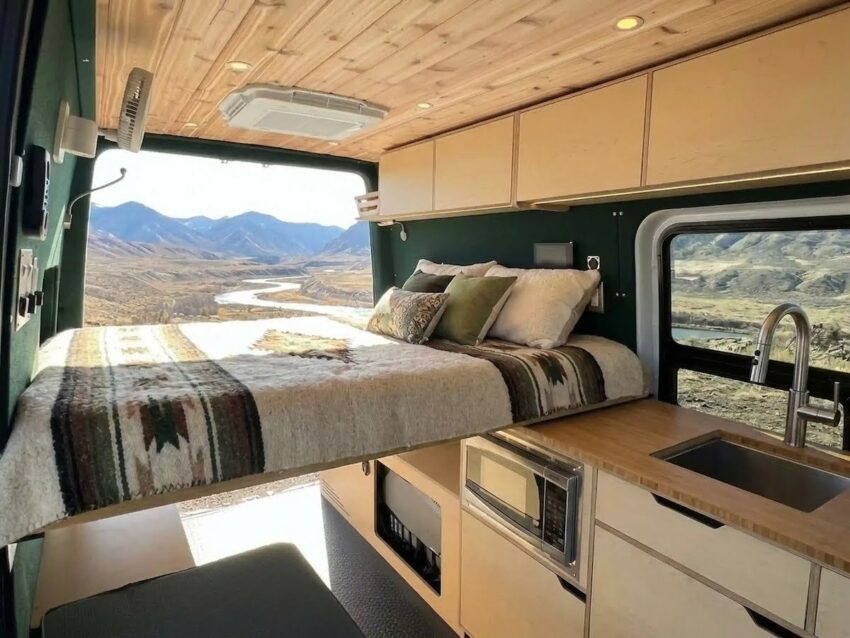
In 2026, the answer is more nuanced than ever. Costs vary widely depending on the starting vehicle, the level of customization, and the systems integrated into the build. While it is easy to find examples at both extremes, most conversions fall within a set of predictable ranges that reflect the level of complexity and intended use.
Understanding the Three Core Budget Tiers
The wide range in pricing becomes easier to understand when broken into general tiers.
Entry-level conversions typically focus on essential functionality. These builds are often completed with simple materials and minimal systems, making them well suited for occasional trips. Mid-range conversions introduce integrated electrical systems, solar power, fixed cabinetry, and water systems, creating a more self-sufficient environment. At the high end, custom builds incorporate advanced off-grid capabilities, premium materials, and detailed craftsmanship, often designed for full-time living.
The Base Vehicle: Where Every Budget Begins
Before any build begins, the van itself represents a significant portion of the total investment. Used cargo vans typically range from $20,000 to $50,000, while new models often start closer to $40,000 and increase depending on configuration.
Popular platforms such as the Mercedes-Benz Sprinter, Ford Transit, and Ram ProMaster each come with different price points and design considerations. The choice of platform can influence not only the upfront cost but also how the interior is designed and built.
Where the Money Actually Goes
While layouts and finishes vary, most van conversions are built around the same core systems, and these systems account for the majority of the cost.
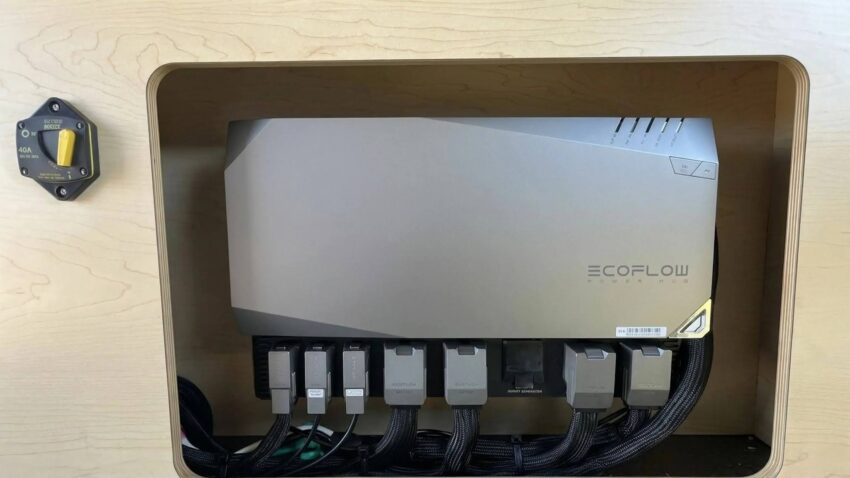
Electrical systems are often the most significant investment. As more vans are designed for remote work and extended travel, reliable off-grid power has become a priority. Systems can range from simple battery setups to complex solar and lithium configurations capable of powering multiple appliances.
Water systems add another layer of complexity. Some builds rely on portable containers, while others include pumps, sinks, and indoor showers. The difference in cost between these approaches is substantial and often tied to how the van will be used.
Interior construction is another major factor. Cabinetry, flooring, and wall finishes vary widely in both materials and craftsmanship. A simple build may prioritize function, while a higher-end conversion focuses on durability, aesthetics, and long-term use.
Labor, Skill, and the DIY Factor
One of the most significant variables in any van conversion is labor. Taking on a build independently can reduce costs, but it requires time, tools, and a broad range of skills. Electrical, plumbing, and carpentry work all come into play, and mistakes can be costly.
Professional builders, on the other hand, bring experience and efficiency to the process. Their work often includes design planning, system integration, and a higher level of finish. The added cost reflects not just labor, but also the reliability and consistency of the final product.
The Costs That Are Easy to Miss
Even well-planned builds can run into unexpected expenses. Tools and equipment are a common oversight for DIY projects, especially for those starting from scratch. Insurance is another factor that can vary depending on how the van is built and documented.
Ongoing maintenance also plays a role over time. As systems become more complex, they require upkeep and occasional repair, adding to the long-term cost of ownership.
What Drives the Biggest Price Differences
Two vans can appear similar on the surface but differ dramatically in cost. The biggest differences often come down to electrical capacity, plumbing complexity, material quality, and the level of customization.
Higher-end builds tend to invest more heavily in systems that improve usability and independence, while lower-cost builds focus on simplicity. Neither approach is inherently better, but each serves a different purpose depending on how the van will be used.
Evaluating the Value of a Van Conversion
Determining whether a van conversion is worth the cost depends largely on intended use. For occasional travel, a simpler build may be more than sufficient. For extended trips or full-time living, a more robust system becomes necessary.
As the van conversion market continues to grow, more options are available across all price points. This has made it easier for buyers to find a setup that aligns with both their needs and their budget.
Considering a Professional Build
For those exploring professionally built vans, working with an experienced builder can provide clarity throughout the process. Design decisions, system selection, and layout all play a role in the final outcome.
Examples of completed builds from companies like The Vansmith can offer insight into how different budget tiers translate into real-world conversions, from simple layouts to fully integrated living spaces.

Final Thoughts
Van conversion costs in 2026 are defined less by a single number and more by a spectrum of possibilities. From minimal setups to fully custom builds, the range reflects the diversity of use cases and expectations within the market.
Understanding where costs come from, and how different choices affect the final result, is the key to building a realistic budget. With the right approach, a van conversion can be tailored to meet a wide range of needs without losing sight of what matters most: how it will actually be used.