
Ever walked into a room and thought… why does this still feel off even after cleaning everything?
It happens more than anyone likes to admit. The floors are swept. The counters are wiped. Still, something feels heavy. A little frustrating. Like the house is working against daily life instead of helping it, that feeling shows up in homes everywhere, from busy apartments to quiet neighborhoods in Seattle, where long rainy days make indoor comfort matter even more.
Big renovations sound nice in theory. New kitchens. Full remodels. Fancy layouts. But most days, there is no time, money, or energy for that. What actually helps are the small changes. The ones that fix daily annoyances. The ones that quietly make life easier.
If your home has signs of foundation movement or structural settling, considering Raise and Relevel underpinning services before investing in cosmetic upgrades can help ensure your renovations are built on a stable foundation.
Some upgrades are simple. Some take a weekend. None of them requires tearing the whole place apart. But they can change how a home feels… a lot more than expected.
A Bathroom That Doesn’t Fight Back
Bathrooms should be simple. But somehow, they turn into daily stress zones.
- A dripping faucet.
- Weak water pressure.
- That one drawer that never closes right.
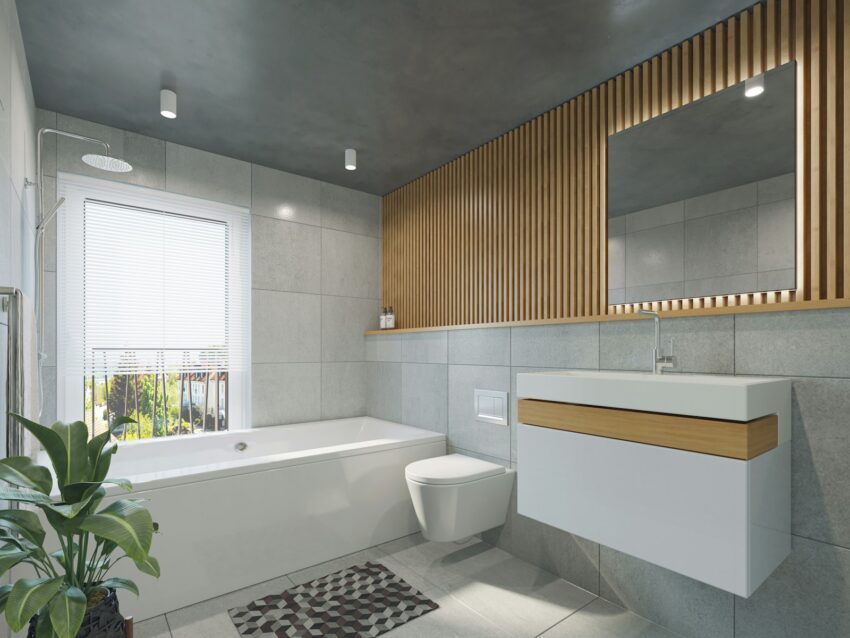
It builds up and gets annoying fast. Small upgrades fix more than expected. Replacing old fixtures can improve both look and function. A better showerhead can turn rushed mornings into something a little less chaotic. Storage matters too. Hooks, shelves, and even a small cabinet can clear the mess.
Sometimes the fixes go a bit deeper. Not a full renovation, just targeted changes. New tiles in one area—updated lighting. Better ventilation.
For homes that need a bit more help, reaching out to a bathroom remodeler in Seattle can bring fresh ideas without turning the whole house upside down. Even small professional touches can solve problems that have been ignored for too long.
And then there is the mirror. Sounds small, right? But a well-lit, properly sized mirror can change how the entire space feels. It is not about luxury; it is about making mornings smoother. Evenings quieter. A space that works instead of arguing back.
Lighting That Finally Makes Sense
Bad lighting ruins everything. It makes a clean room look dull. It makes mornings harder. It even messes with mood.
Ever tried getting ready in a dim bathroom or cooking under harsh white lights? It feels wrong. Eyes strain. Small tasks take longer. Patience runs out faster.
Switching lighting sounds basic, but it hits hard. Warm bulbs in living areas soften everything. Brighter, clearer lighting in kitchens makes prep easier. Layered lighting helps more than expected. A ceiling light alone rarely cuts it.
Adding a simple lamp near a couch can make evenings feel calmer. Under-cabinet lights in the kitchen? Game changer. No more chopping in shadows.
And then there are dimmers. Those little switches do more than people think. Too bright? Turn it down. Need focus? Turn it up. It gives control back. Lighting does not scream for attention. But once it is right, the whole house feels different.
Storage That Actually Solves the Mess
Clutter has a way of creeping in. Slowly. Quietly. Until suddenly, nothing has a place.
Shoes pile up near the door. Random items collect on tables. That one drawer becomes a disaster zone. The problem is rarely stuff. It is usually the storage that does not work.
Adding smart storage does not mean buying huge cabinets. It means thinking about how things are used daily.
- Hooks by the entrance for bags and jackets.
- Baskets for quick drop-offs.
- Drawer organizers that keep small things from disappearing.
- Open shelving can help in kitchens.
- Clear bins in closets make items easier to find.
Even something as simple as a bench with hidden storage can reduce daily mess.
The goal is not perfection. That is not lasting, so the goal is to make it easier to put things away without thinking too much.
Because when putting things away feels easy… it actually happens.
Kitchen Tweaks That Save Time and Patience
The kitchen gets used every single day. Sometimes more than once. When it does not function well, everything feels harder.
Ever tried cooking in a space where nothing is within reach? Or where the counters feel cramped no matter what?
Small changes can fix that.
Start with the basics. Clear some counter space. Move rarely used items out of the way. Add a simple rack for spices or utensils. Suddenly, things feel less crowded. Cabinet hardware matters more than expected. Replacing old handles with something easier to grip can make daily use smoother. Soft-close hinges? Not essential, but once installed, it is hard to go back.
Then there is the sink. A better faucet with a pull-down sprayer can make cleaning faster. Less splashing. Less frustration.
Lighting plays a role here, too. Bright, focused light over prep areas makes cooking easier. No more guessing if something is properly chopped. Even small additions like a rolling cart can add extra workspace when needed.
The kitchen does not need to be fancy. It just needs to work without slowing everything down.
Little Comfort Upgrades That Add Up
Some changes do not fit into a single category. They are small, scattered, but powerful when combined.
Better curtains that actually block light when needed. No more waking up too early on weekends. A thermostat that is easy to control. No more guessing if the temperature is right.
Door seals that keep drafts out. Especially important when the weather turns rough. Even swapping out old switches and outlets can make a home feel more updated. It sounds minor, but those small touches show up daily.
Plants can help too. Not in a perfect, magazine way. Just a bit of green that makes the space feel alive. And then there are those small repairs that get ignored. The squeaky door. The loose handle. The tiny crack that keeps getting worse.
Fixing those things removes constant, low-level stress. It is hard to notice at first, but once done, the difference is clear.
All in all, big changes get all the attention. But daily life rarely depends on big changes. It depends on how a space works when waking up tired. When rushing out the door. When coming home after a long day with no energy left.