
Walk into any classroom today and you’ll notice something different right away. Students expect more interaction, faster feedback, and lessons that feel relevant to their lives. Many teachers feel the pressure of keeping up while still managing everyday responsibilities. The challenge is real: teaching methods that worked even five years ago can feel outdated now. New tools, changing student behavior, and higher expectations from schools and parents are reshaping the role of a teacher.
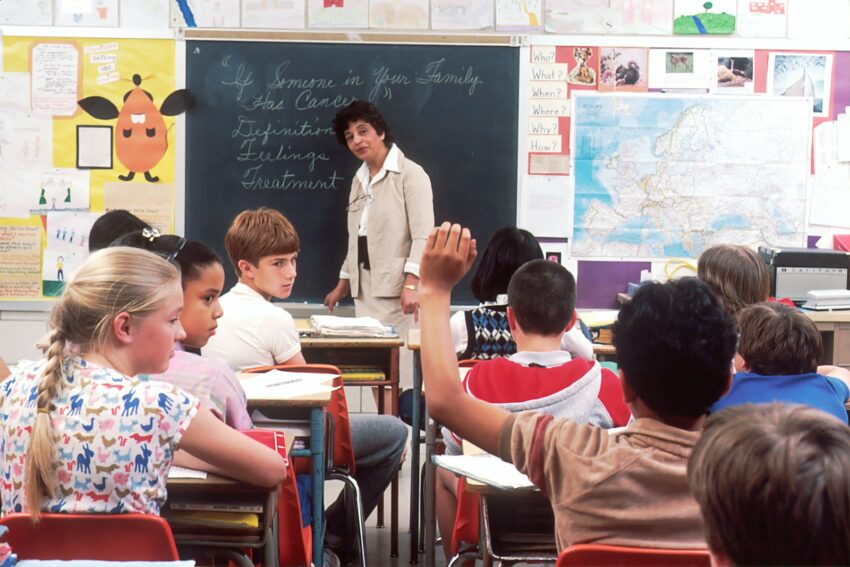
This shift can feel overwhelming. The next decade will demand a new set of practical skills. Teachers who adapt early will find their work more effective, manageable, and rewarding.
Using Technology with Purpose, Not Just Access
Many teachers already use technology, but future classrooms require more thoughtful use. Opening a presentation or playing a video no longer makes a lesson engaging. Students quickly lose interest if technology feels like a routine add-on. Teachers need to choose tools that improve understanding, not just deliver information. For example, using interactive quizzes can reveal what students actually grasp during the lesson. Digital whiteboards can support collaboration instead of passive note-taking. The key skill here is decision-making. Teachers must ask whether a tool supports learning goals before using it. This approach saves time and avoids unnecessary complexity. Over time, this habit builds confidence and helps teachers stay in control of their classroom instead of relying on trends.
Adapting Lessons to Fit Real Student Needs
Classrooms are more diverse than ever, and one lesson rarely works for every student. Some students need more time, others need more challenge, and a few may struggle to stay engaged at all. Teachers must learn to adjust lessons without rewriting everything from scratch. Many educators build these practical skills through ongoing training, including options like Master of Education online programs that focus on real classroom application. Small changes can make a big difference. Offering choices in assignments allows students to work in ways that suit them. Breaking lessons into smaller parts helps students who feel overwhelmed. Checking in during class gives teachers a chance to adjust quickly. This skill depends on observation and flexibility. Teachers who pay attention to how students respond can make better decisions in the moment and create a more supportive learning environment.
Handling Hybrid Classrooms Without Losing Control
Hybrid learning is no longer a temporary setup. Many classrooms now include a mix of in-person and online elements, and this adds complexity to planning and delivery. Teachers must keep both groups engaged without doubling their workload. Clear structure becomes essential. Lessons should be designed in sections that work both live and online. Recorded explanations can help students review content without repeating the same lecture. Consistent communication also matters. Students need to know where to find materials and how to stay on track. Without this clarity, confusion builds quickly. Teachers who develop strong systems early find it easier to manage hybrid settings. This skill helps reduce stress and keeps the classroom running smoothly.
Managing Behavior in Modern, Flexible Classrooms
Classroom behavior has changed along with learning environments. Students expect more independence, and strict control often leads to resistance. Teachers need clear routines that students understand from day one. Consistency matters more than strictness. When expectations stay predictable, students feel more secure and respond better. Teachers should address issues early instead of letting them grow. Short, calm conversations often work better than public correction. Online behavior also needs attention. Clear rules for participation, camera use, and communication help avoid confusion. Teachers who stay calm and fair build respect over time. This approach reduces disruptions and creates a space where students can focus on learning without constant tension.
Teaching Students How to Think, Not Just Learn
Students need skills that go beyond remembering information. Teachers now focus more on helping students think clearly and solve problems. This requires a shift in lesson design. Instead of giving direct answers, teachers can ask questions that guide students to find their own solutions. Real-world tasks also help students apply what they learn. Group discussions can encourage different viewpoints and deeper thinking. Teachers should allow time for students to explain their ideas, even if those ideas are not fully correct. This process builds confidence and understanding. Over time, students become more independent learners who can handle new challenges without relying on constant instruction.
Creating Inclusive Classrooms That Work for Everyone
Classrooms today include students from many different backgrounds, and each student brings unique experiences. Teachers need to make sure every student feels respected and included. This starts with simple choices. Using examples that reflect different cultures helps students connect with lessons. Giving equal chances to participate prevents certain voices from being ignored. Teachers should also stay aware of their own assumptions and remain open to feedback. Clear communication helps avoid misunderstandings. Small adjustments in language and teaching style can make a big difference. When students feel included, they are more likely to engage and succeed. This creates a classroom where everyone has a fair chance to learn.
Working Better with Parents and Teaching Teams
Teaching works best when communication extends beyond the classroom. Parents want to understand how their children are doing, and clear updates help build trust. Teachers should share progress regularly instead of waiting for formal meetings. Short messages about strengths and areas for improvement keep parents informed. Collaboration with other teachers also matters. Sharing ideas and challenges can lead to better solutions. Schools often expect teamwork, and strong communication makes this easier. Teachers who stay open and responsive create a supportive network around their students. This reduces pressure on individual teachers and improves overall outcomes. Strong collaboration leads to a more consistent and effective learning experience.
The future classroom will continue to evolve, and teachers will need to adjust along the way. The skills that matter most are practical and focused on real classroom challenges. Teachers who learn to manage change, connect with students, and use tools wisely will stay effective in any setting. Growth does not need to happen all at once. Small, steady improvements lead to lasting results. Staying curious and open to new ideas helps teachers remain confident in their role. At its core, teaching is still about helping students learn and grow. The methods may change, but the purpose remains the same, and that clarity helps guide every decision moving forward.