
Feeding a family well often comes down to small, consistent choices. Many parents are rethinking what goes into their shopping baskets, looking for ways to make everyday meals more nourishing without sacrificing convenience or flavor. The good news is that healthier eating doesn’t require a complete lifestyle reset. In fact, a handful of smart grocery swaps can make a meaningful difference over time.
Upgrading pantry staples and choosing better-quality proteins are changes that reflect a growing awareness of what families eat and how it affects long-term well-being. Below are seven practical grocery swaps that many moms are making to support healthier households.
Swapping Processed Meats for Organic Alternatives
One of the most common changes happening in grocery carts is the move away from heavily processed meats. Items like standard deli slices, sausages, and nuggets often contain additives, preservatives, and lower-quality cuts.
Instead, many families are choosing organic meat options. These products typically come from animals raised without routine antibiotics or synthetic inputs. While the difference may not always be visible on the plate, it can offer peace of mind about sourcing and production practices.
Parents are also becoming more intentional about portion sizes and frequency, focusing on quality over quantity. A smaller serving of well-sourced meat often replaces larger portions of processed alternatives.
Replacing Sugary Breakfast Cereals with Whole Food Options
Breakfast is an easy place to make a healthier switch. Many packaged cereals contain added sugars and refined grains, which can lead to energy spikes followed by mid-morning crashes.
More families are opting for whole food alternatives such as oats, plain yogurt with fruit, or eggs. These options tend to provide more sustained energy and keep children fuller for longer.
Preparing breakfast from scratch may sound time-consuming, but simple routines like overnight oats or pre-cut fruit can make mornings smoother without relying on ultra-processed choices.
Choosing Homemade Snacks Over Packaged Ones
Snack time is another area where small swaps can add up. Pre-packaged snacks often include long ingredient lists and hidden sugars or salts.
Moms are increasingly preparing snacks at home using basic ingredients. Sliced vegetables with dips, homemade muffins, or simple trail mixes are becoming popular choices. These options allow better control over ingredients and portion sizes.
It doesn’t mean eliminating packaged snacks entirely, but balancing them with homemade alternatives can reduce overall intake of additives and excess sugar.
Switching to Natural Cooking Fats
Cooking oils and fats are often overlooked, yet they play a central role in daily meals. Many households are moving away from highly refined vegetable oils and choosing more natural options like olive oil, butter, or minimally processed animal fats.
This shift reflects a broader interest in traditional cooking methods and simpler ingredient lists. Using fewer processed fats can also improve the flavor of meals, making home cooking more enjoyable for the whole family.
Small adjustments, such as using olive oil for sautéing or butter for baking, can gradually replace more heavily processed alternatives.
Incorporating Nutrient-Rich Bone Broth
Another growing trend is the use of bone broth as a staple ingredient. Made by simmering bones over time, it’s often used as a base for soups, stews, and sauces.
Families looking to make this switch often turn to high-quality sources. For example, choosing products from Organic Butchery allows parents to access responsibly sourced bones for preparing broth at home. This approach supports higher-quality ingredients while reducing food waste by using parts of the animal that might otherwise be discarded.
Trading Refined Grains for Whole Grains
Another simple but effective swap is replacing refined grains with whole-grain alternatives. White bread, pasta, and rice are often stripped of fiber and nutrients during processing.
Whole-grain versions, such as brown rice, whole-wheat pasta, or seeded bread, retain more of their natural components. This can help support better digestion and provide more sustained energy throughout the day.
Families making this change often start gradually, mixing whole grains with refined ones before fully transitioning. This helps ease children into new textures and flavors without resistance.
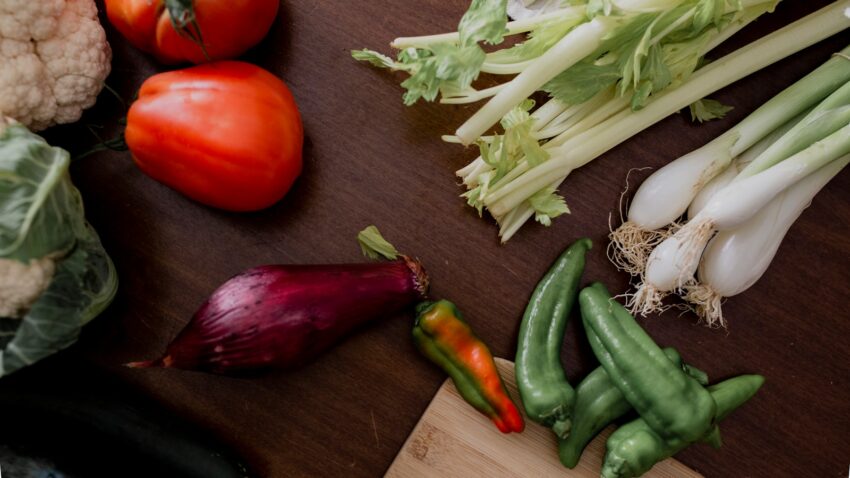
Opting for Seasonal and Fresh Produce
Fresh produce remains a cornerstone of healthy eating, but how it’s selected matters. Many moms are choosing seasonal fruits and vegetables, which are often fresher and more flavorful.
Shopping this way can also encourage variety in meals, as families rotate ingredients based on what’s available. This naturally introduces a wider range of nutrients into the diet.
Some families are even exploring local markets or produce boxes to access fresher options. While not always necessary, these choices can make fruits and vegetables more appealing and enjoyable to eat.
Being More Intentional with Dairy Choices
Dairy is another category where small changes are making a difference. Instead of highly processed options, families are selecting simpler products with fewer ingredients.
This might include choosing plain yogurt over flavored varieties or selecting milk from trusted sources. Paying attention to labels helps parents avoid unnecessary additives while still enjoying familiar foods.
Moderation also plays a role. Rather than eliminating dairy, many households are focusing on balance and quality.
Conclusion
Healthy eating doesn’t have to feel overwhelming or restrictive. As these grocery swaps show, meaningful improvements often come from small, thoughtful changes made over time. By choosing better-quality ingredients, reducing reliance on heavily processed foods, and returning to simpler cooking methods, families can create meals that support both health and enjoyment.