
When was the last time anyone actually looked at the roof instead of assuming it works?
Most homeowners think about kitchens and paint before the roof overhead. Yet stronger storms, sudden hail, and longer heat waves are testing roofing materials nationwide. Insurance claims keep rising, and coverage is tightening as repair costs grow. A roof shields the home from moisture and debris, but small leaks can spread into insulation and framing unnoticed. Problems often stay hidden until heavy rain exposes them. In this blog, we will share the warning signs, seasonal risks, and practical steps that help homeowners catch issues early and protect their investment with confidence.
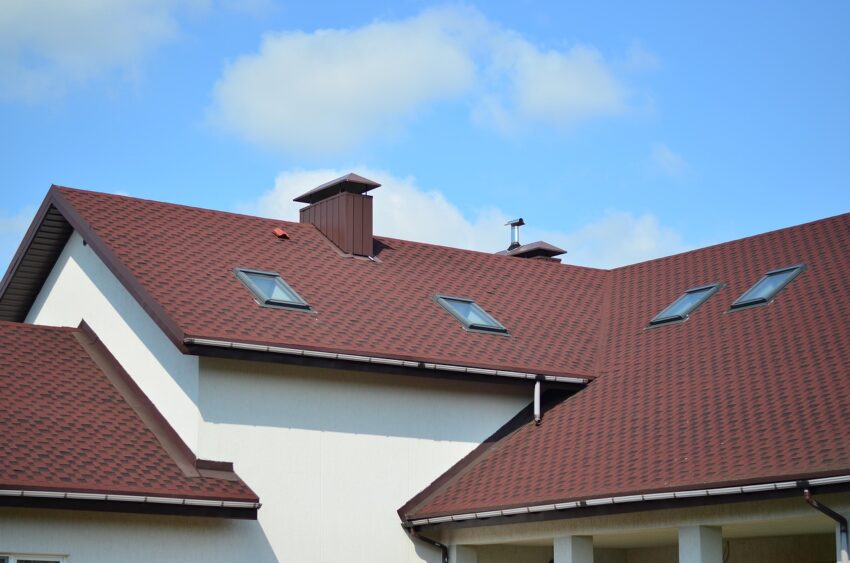
Exterior Clues That Should Not Be Ignored
The earliest warning signs usually appear outside. Shingles may curl along their edges. Some may crack or look uneven after storms. Missing pieces leave vulnerable gaps. Even one displaced shingle deserves attention.
Granules collecting in gutters signal aging materials. Those rough particles protect shingles from sun damage. When they wash away, surfaces weaken faster. Sun exposure accelerates wear dramatically. Roofs in hot climates face greater stress.
Dark streaks across shingles suggest algae growth. Moss often signals trapped moisture underneath. Both issues hold water against the surface. Persistent dampness shortens roof lifespan. Regular cleaning can slow that process.
After severe weather, careful inspection becomes essential. High winds lift shingles without always tearing them off. Hail can leave small dents that weaken protective layers. Snow buildup may create ice dams near roof edges. In these situations, experienced roofers often identify subtle damage that homeowners might overlook.
Flashing around chimneys and vents deserves close attention. Loose metal pieces allow water to seep inside. Rust spots weaken protective barriers. Caulking that cracks exposes seams to moisture. These small gaps can cause major interior issues later.
Neighborhood patterns can provide helpful context when assessing a roof’s condition. If several nearby homes are undergoing roof replacements, timing may not be a coincidence. Builders often use the same materials across entire subdivisions during construction. As a result, those roofs tend to age and deteriorate around the same period. Watching local repair activity can signal that your own roof may be approaching a similar stage. Paying attention to these trends offers valuable perspective before problems become urgent.
Interior Signals That Reveal Hidden Damage
Interior signs often develop after exterior problems persist. Ceiling stains appear as faint discoloration at first. Over time, they darken and expand. Bubbling paint suggests trapped moisture beneath surfaces. Peeling wallpaper may signal hidden leaks.
Attics reveal critical information about roof health. Damp insulation points to ventilation problems. Mold growth signals prolonged humidity exposure. Sunlight visible through roof boards indicates structural gaps. Each sign requires prompt evaluation.
Energy bills sometimes reflect roofing trouble. Poor insulation allows conditioned air to escape. Air leaks force heating and cooling systems to work harder. Temperature swings feel more dramatic indoors. Comfort declines while costs increase.
During heavy rain, unexpected dripping sounds demand attention. Even slow drips cause cumulative damage. Wood framing weakens with repeated exposure. Electrical systems face potential risk. Quick response limits escalation.
Musty odors inside the home often signal hidden moisture buildup within walls or ceilings. Water trapped in insulation or wood framing creates lingering smells that do not fade easily. These odors frequently appear before visible stains develop on drywall or paint. Ignoring them allows dampness to spread deeper into structural materials. Over time, that moisture can weaken framing and invite mold growth. Paying attention to subtle changes in smell can prevent costly structural deterioration later.
Age, Materials, and Climate Pressures
Every roof has a lifespan shaped by material choice. Asphalt shingles typically last two to three decades. Metal roofs often endure longer with proper care. Tile and slate provide durability but still require maintenance. Age alone does not guarantee failure.
Installation quality strongly influences longevity. Poor workmanship shortens material life significantly. Improper flashing creates immediate leak points. Weak ventilation traps moisture beneath surfaces. Even premium products fail under flawed installation.
Maintenance history also shapes outcomes. Regular gutter cleaning prevents water pooling. Prompt minor repairs stop larger issues from spreading. Ignoring maintenance accelerates wear quickly. Small actions extend roof life meaningfully.
Regional climate pressures add another variable. Coastal homes face salt exposure from ocean air. Mountain properties endure heavy snow loads annually. Desert regions experience extreme heat cycles. Local conditions determine stress levels.
Insurance companies increasingly consider roof age during underwriting. Some policies limit coverage for older systems. Rising claim costs influence stricter evaluations. Proactive replacement can protect financial security. Planning ahead reduces surprises.
Preventive Inspections and Smart Planning
Routine inspections remain the most effective safeguard. Seasonal checks after major storms add protection. Visual scans from ground level reveal obvious damage. Binoculars offer safer observation without climbing. Safety should always come first.
Professional inspections provide deeper insight. Contractors assess structural integrity carefully. They examine flashing, ventilation, and underlayment layers. Detailed reports clarify current condition. Clear information supports informed decisions.
Technology now enhances inspection accuracy. Drone assessments capture high resolution images safely. Thermal cameras detect moisture beneath surfaces. Digital documentation simplifies communication with insurers. Modern tools reduce guesswork.
Budget planning also plays a vital role in responsible homeownership. Setting aside funds gradually for a future roof replacement reduces financial pressure later. A dedicated home maintenance savings account can grow steadily with small, consistent contributions. Planning ahead turns a large expense into a predictable investment. Without preparation, sudden repairs can feel overwhelming and disruptive. Thoughtful budgeting transforms roofing work from a crisis into a manageable upgrade.
Recognizing roof leak signs early can help prevent structural damage and costly repairs, while modern waterproof roof membranes provide added protection against moisture intrusion. After this: Musty odors inside the home often signal hidden moisture buildup within walls or ceilings. Water trapped in insulation or wood framing creates lingering smells that do not fade easily. These odors frequently appear before visible stains develop on drywall or paint. Ignoring them allows dampness to spread deeper into structural materials. Over time, that moisture can weaken framing and invite mold growth.
Community awareness strengthens preparedness. Neighborhood groups share storm alerts quickly. Local news reports highlight weather trends. Conversations about roofing projects spread information. Collective knowledge encourages timely action.
Choosing qualified professionals matters significantly. Licensed contractors follow building codes carefully. Transparent estimates build confidence in decision making. Clear timelines prevent misunderstandings. Reliable service protects long term investment.
Homeownership involves ongoing responsibility. A sturdy roof protects belongings and memories alike. Structural strength supports peace of mind. Looking upward occasionally prevents downward spirals in repair costs. Regular attention today protects comfort and value for years to come.