
People talk more openly about appearance and self-improvement today. Scrolling through feeds or reading wellness stories can spark ideas quickly. Still, making decisions around appearance changes is not always simple. Options feel endless, advice feels mixed, and pressure can build quietly. Without the right guidance, choices may feel rushed or based on emotion rather than clarity. That confusion is where careful thinking starts to matter.
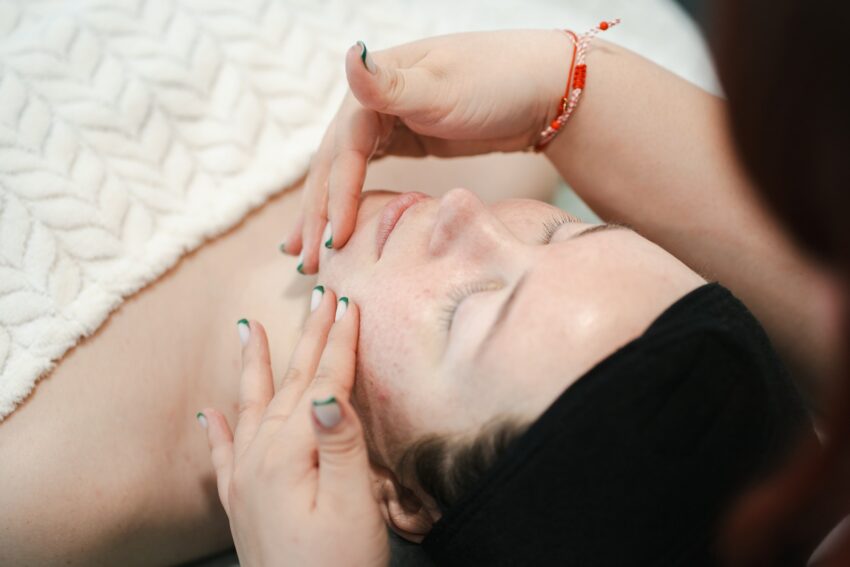
This article breaks down how to approach cosmetic procedure decisions in a safer and more informed way, especially for people exploring options in places like San Diego, where choices are plentiful. It covers personal goals, professional guidance, safety awareness, recovery planning, and emotional readiness.
Each section connects to help readers understand what to look for and why it matters. With the right perspective, cosmetic choices can feel thoughtful, balanced, and aligned with long-term confidence rather than trends or pressure.
Defining Personal Goals Before Procedures
Clear personal goals shape better decisions from the beginning. Many people feel influenced by trends rather than by personal needs. A strong goal helps separate true desire from outside pressure. Changes should support confidence and comfort, not comparison. Honest self-reflection builds a strong foundation.
It also helps to think long-term rather than focusing on quick results. Some procedures create subtle changes over time. Others offer visible differences quickly. Asking simple questions supports clarity:
- What result feels meaningful and realistic?
- Is the motivation personal or influenced by others?
- Will the change support daily confidence?
Clear goals reduce disappointment and guide safer decisions later.
Importance Of Professional Medical Consultation
Professional medical consultation plays a major role in shaping safe cosmetic decisions by connecting expectations with medical reality. These discussions help patients understand what is achievable and what requires caution. Surgeons review physical structure, health history, and lifestyle factors together, which reduces emotional decision-making. Recovery timelines, risks, and aftercare responsibilities also become clearer when explained early. This clarity replaces confusion with confidence and realistic planning.
People working with a plastic surgeon in San Diego highlight how guidance feels personal and transparent. In this area, many people choose surgeons at trusted clinics like Plastic Surgery & Spa because consultations focus on education and thoughtful planning. Instead of rushing decisions, these clinics emphasize safety, suitability, and realistic outcomes. This approach builds trust, reduces uncertainty, and supports a smoother cosmetic journey from start to finish.
Essential Safety Factors To Consider
Safety evaluation protects health and long-term satisfaction. Credentials, experience, and clinic standards matter greatly. Qualified professionals follow ethical practices and prioritize patient well-being. Clean, accredited facilities reduce procedural risks. These factors work together to support safer outcomes.
Understanding how procedures are performed also matters. Clear explanations build confidence and trust. Important safety indicators include:
- Verified certifications and ongoing training
- Transparent discussion of risks and limitations
- Clear emergency and aftercare protocols
Focusing on these points helps people avoid shortcuts and make informed, confident decisions.
Risks Recovery And Aftercare Awareness
Recovery awareness supports smoother experiences and better outcomes. Every cosmetic procedure includes healing responsibilities. Recovery time depends on the procedure type and the individual’s health. Some treatments limit daily activities for a short time. Others require longer rest and support. Understanding this early helps people plan their daily lives with less disruption and stress.
Aftercare instructions play a major role in final results. Ignoring guidance can affect healing progress. Planning time off, support, and comfort needs helps greatly. Knowing what to expect reduces stress during recovery. When expectations match reality, people feel more in control and prepared. This preparation supports both physical healing and peace of mind.
Emotional Readiness For Physical Changes
Emotional readiness influences satisfaction after visible changes. Procedures affect confidence, self-image, and expectations. Checking emotional motivation before deciding is important. Changes should support growth, not solve deeper concerns. Mental clarity supports safer choices. Honest self-reflection helps people move forward with confidence rather than doubt.
Adjustment takes time, even with positive results. Patience helps during this phase. Support systems also matter greatly. Being mentally prepared reduces regret and anxiety. When emotional readiness matches physical change, outcomes feel empowering rather than overwhelming.
Making Confident And Informed Decisions
Confident decisions result from combining all evaluation factors. Goals, consultation, safety, recovery, and emotions work together. Skipping steps can affect the overall experience. Taking time supports responsible cosmetic choices. A steady approach reduces pressure and second-guessing later.
People who plan carefully feel more satisfied in the long term. Confidence grows when decisions feel informed and intentional. Avoiding pressure supports healthier outcomes. Thoughtful evaluation leads to clarity, comfort, and peace of mind throughout the process. This mindset helps people feel secure in their final decision.
Conclusion
Evaluating procedure options safely requires patience and awareness. Clear goals guide direction and purpose. Medical consultation adds clarity and safety. Understanding recovery reduces stress and confusion. Emotional readiness supports satisfaction and confidence. When these elements connect, decisions feel balanced and informed. Taking time leads to healthier experiences and outcomes that align with personal well-being.