
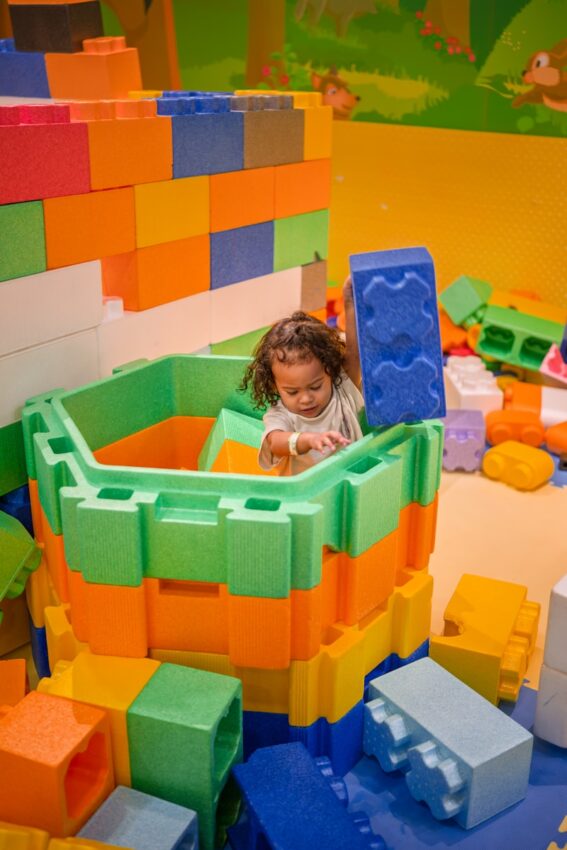
Planning your child’s birthday party doesn’t have to feel like orchestrating a three-ring circus. Between juggling invitations, coordinating food, arranging entertainment, and keeping everyone safe, it’s easy to feel overwhelmed before the celebration even begins. Here’s the truth: you don’t need Pinterest-perfect decorations or elaborate themes to create lasting memories. What matters most is choosing the right approach for your family—whether that means hosting at home, finding a local park, or booking a venue like an indoor playground glendale where weather won’t derail your plans. With some strategic planning and realistic expectations, you can actually enjoy your child’s special day instead of just surviving it.
Clarify Your Vision and Budget Before Anything Else
Define What “Success” Looks Like for Your Family
Take a step back and think about what genuinely makes your child light up. Are they the type who bounces off walls during active play, or do they prefer quieter activities like crafts and puzzles? Maybe they’re happiest with just a few close friends rather than a crowd. Instead of getting caught up in elaborate themes that require coordinating every napkin and balloon, zero in on one or two activities that will truly resonate with your birthday child. Kids tend to remember that amazing treasure hunt or the time they got to pet a real bunny far longer than whether the tablecloth matched the plates.
Set a Realistic Budget and Use It as Your Filter
Before you start browsing party supplies or venues, nail down your numbers. Break your budget into clear categories: venue costs, food and drinks, cake, decorations, entertainment, and party favors. Create two lists—absolute must-haves and nice-to-have extras. This simple exercise becomes your decision-making compass, helping you determine how many guests to invite, where to host, and which tasks are worth outsourcing versus handling yourself.
Choose the Right Venue to Reduce Work and Worry
Your venue choice will make or break your stress levels, so weigh your options thoughtfully:
- Home parties give you complete control over timing and familiar surroundings, but you’ll be dealing with pre-party prep and post-party cleanup, plus potential space constraints.
- Outdoor locations offer plenty of room for kids to burn energy, though you’ll need backup plans for weather and extra vigilance for safety.
- Hosted venues come with built-in entertainment and someone else handling the setup, but expect time limits and guest capacity restrictions.
The venue you choose is perhaps your biggest opportunity to minimize hosting headaches by controlling mess, safety concerns, and logistical challenges from the start.
Keep the Guest List, Schedule, and Invitations Simple
Right-Size the Guest List
More guests means more noise, more supervision, and more variables that could go sideways. For younger kids, try the “age-plus-two” approach as a starting point—so your 5-year-old might invite around 7 friends. Adjust this based on your child’s personality and your own comfort level with chaos.
Build a Flexible, Kid-Friendly Schedule
Plan for 2-3 hours total with a loose structure: arrival time with free play, one main activity, food and cake, then a calmer activity as things wind down. Think flow rather than rigid scheduling—kids’ energy and attention spans don’t follow clocks, and flexibility will save your sanity when things inevitably run long or short.
Plan Low-Stress Food, Cake, and Décor
Stick with crowd-pleasers that kids actually eat: pizza slices, cut vegetables with dip, fresh fruit, and simple sandwiches. Keep common allergies in mind and label everything clearly so parents can make informed choices. When it comes to decorations, pick 2-3 statement pieces that create impact rather than trying to transform every surface. A balloon arch at the entrance and coordinated tableware often do more than scattered decorations throughout the space.
Choose Activities That Manage Energy and Minimize Chaos
Match your activities to the age group and their typical attention spans. Set up different zones for varying energy levels—active play in one area, quieter activities like coloring in another, and a designated spot for eating. Focus on creating one memorable highlight rather than trying to maintain non-stop entertainment. That special moment—whether it’s a magic show, treasure hunt, or simple game—will be what kids talk about long after the party ends.
Safety, Boundaries, and Help: The Hidden Keys to Less Stress
Do a quick safety sweep of your space before guests arrive, removing potential hazards and noting any areas that need extra supervision. Set clear expectations right at the beginning for both kids and parents—this prevents confusion and helps everyone know what to expect. Don’t be a hero trying to manage everything solo. Accept offers of help and give other adults specific roles: someone to handle food service, another to monitor the front door, or a designated person to supervise the main activity area.
The goal isn’t perfection—it’s intention. When you focus on what genuinely matters to your child and plan accordingly, you create space to be present and enjoy the celebration alongside them. That’s what transforms a potentially stressful event into a joyful memory for your whole family.