
When we start spending more time outside, it’s easy to assume the biggest changes will stay out there. More movement. More noise. More energy burned before dinner. At first, it feels like the house is simply a place we pass through between stretches of fresh air.
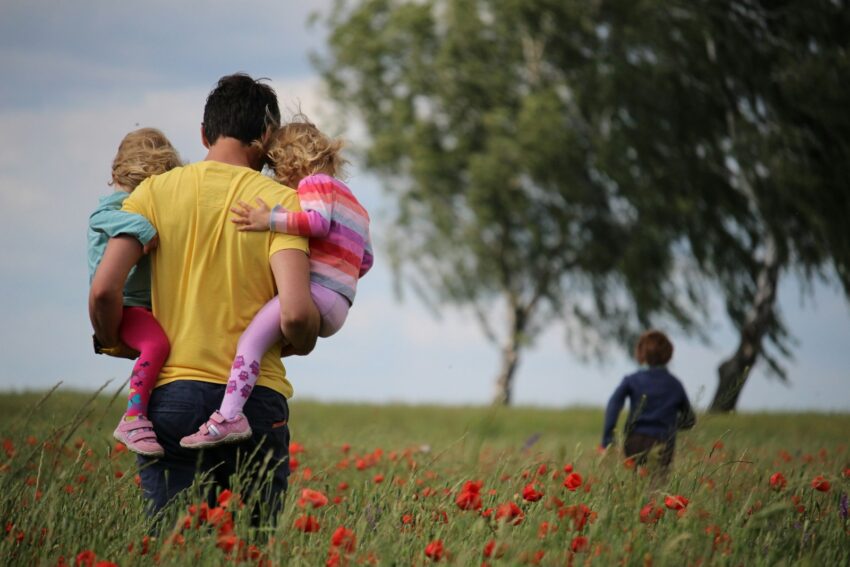
Over time, those outdoor hours begin to change how everything inside the house works. The day no longer follows the same pattern it once did. Familiar rhythms loosen. Meals drift. Transitions take longer. Nothing is broken, but things no longer move the way they used to.
Spending more time outside doesn’t just shift where kids play. It changes how home life functions from start to finish.
Daily Routines Start to Bend
One of the first things to shift is the shape of the day itself. When kids are outside more often, routines that once felt dependable begin to flex around new patterns.
Lunch runs late because play stretches longer than expected. Snacks quietly replace full meals. Cleanup happens in pieces instead of all at once. Even bedtime can feel less anchored when the day unfolds more freely.
For families who spend most of their time at home together, this can feel like a constant low-level adjustment. There is no clear dividing line between one part of the day and the next. That freedom can be welcome, but it also asks parents to be more mentally present, making small decisions throughout the day rather than following a set plan.
Those little shifts add up. The house still works, but it works differently, and that difference takes energy.
Supervision Takes on a Different Shape
Being outside more often also changes how supervision feels. Indoors, boundaries are built in. Doors close. Walls contain sound. Parents usually know where everyone is without much effort.
Outside, awareness has to stretch. Kids spread out. Movement becomes less predictable. Supervision becomes quieter and more constant, less about watching closely and more about staying aware of the wider space.
Parents often notice themselves listening more carefully or checking sightlines more often as play moves from one area to another. That attentiveness has a purpose. Time outdoors supports physical movement, creativity, and emotional regulation, which is why pediatric experts continue to highlight the importance of unstructured outdoor play, including their explanation of why playing outside matters for kids.
That kind of awareness does not always feel stressful in the moment, but it does require energy. Even confident, capable kids ask different things of parents when play happens outside the house.
When everyone finally comes back indoors, that alertness often lingers. The day feels full, not because more happened, but because more attention was needed along the way.
Why Location Shapes These Changes More Than We Expect
Where a family lives quietly shapes how outdoor time fits into everyday routines. Climate, neighborhood layout, and seasonal patterns all influence how often outdoor spaces are used and how much planning they require. Families in warmer states like North Carolina or Georgia can stay outside comfortably for much of the year, while places such as Minnesota or Vermont experience shorter warm seasons that compress outdoor time into a few active months.
City-level differences often matter just as much. In Charlotte, long, warm seasons allow outdoor play to blend easily into daily life, while families in Minneapolis often wait for specific stretches of weather to fully enjoy outdoor spaces. Suburban areas like Columbus, Ohio, may have larger yards that encourage independent play, whereas cities such as Boston rely more on shared parks and smaller outdoor spaces, which changes how families supervise and plan outdoor time.
These variations show up even within the same state. In Pittsburgh, hills and narrow streets shape how neighborhoods use their outdoor spaces, while in towns like Lancaster, open yards and flatter terrain often lead to more time outside at home. These practical differences influence how families adapt daily routines, even if they don’t think about them directly.
Families across different regions often undertake outdoor updates during the same warm months, whether that means adding small play areas, refreshing garden spaces, or starting larger backyard projects that require skilled help.
In many parts of Pennsylvania, outdoor time follows a clear seasonal rhythm. Warm stretches invite hours outside, while colder seasons naturally pull activity indoors. That rhythm can make outdoor projects feel more time-sensitive, especially when families hope to make the most of a limited seasonal window.
In central areas of the state, outdoor projects are often shaped by these seasonal shifts and local conditions, which can affect the work of pool installers Ephrata PA residents rely on as they try to coordinate plans with the brief stretch of reliable weather.
These differences rarely stand out until families start spending more time outside. Once that happens, location begins to matter in practical ways, influencing how much coordination and forethought are needed for outdoor spaces to fit smoothly into everyday home life.
Adjusting Expectations at Home
As outdoor time takes up more of the day, many parents find that the biggest adjustment is not logistical. It’s mental. Letting go of the idea that every day needs to follow a clean, predictable rhythm can ease a lot of quiet frustration.
Some days feel scattered. Transitions stretch longer than planned. The house looks more lived-in than usual. That does not signal failure. It reflects a shift in how time and energy are being used.
Instead of trying to recreate routines that worked in a different season, it can help to pause and reconsider how much structure is actually necessary. That same question comes up often when families think about their daily flow at home, including whether a set routine is needed at all.
Small adjustments tend to last longer than big resets. Meals can stay simple. Cleanup can happen when it fits. Rest can look different from one day to the next. When expectations soften, home life has more room to settle into a rhythm that fits the season rather than fighting it.
Conclusion
Spending more time outside has a quiet way of reshaping life at home. Days stretch. Patterns shift. The house adapts even when no one sets out to change it.
Not every adjustment needs fixing. Some are simply signs that the season has changed and daily life is responding. Paying attention to those shifts can make it easier to let go of rigid expectations about how the day should unfold.
When routines are allowed to bend, and spaces are given room to work harder, home life often feels more manageable. The rhythm finds its own balance, shaped by time outside, shared moments, and the small, ordinary adjustments that happen along the way.