
The production of sustainable meat reconciles the needs of people, animals, and the environment. Today, many producers recognize the importance of adopting responsible practices. They try to do what it takes to ensure no one goes hungry whilst causing the least amount of damage possible. The goal is to achieve more sustainable systems of meat production, and this discussion outlines steps that can be taken to facilitate such change.
Efficient Land Management
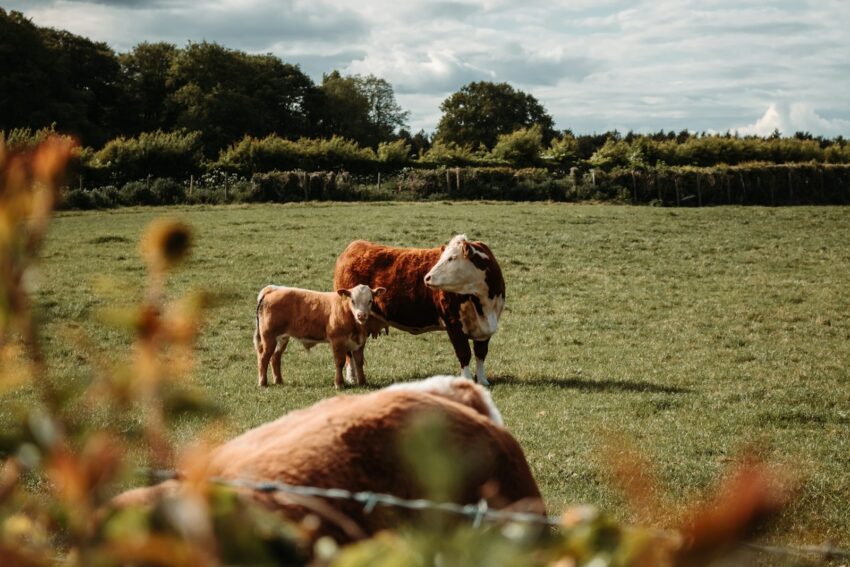
Pastures are managed through rotational grazing, a strategic approach to grazing. Farmers rotate animals through sections, ensuring they do not overgraze an area and allowing grasses to regrow. Well-vegetated areas also sequester more carbon in the soil. It is a type of land cultivation that maintains soil structure and promotes biodiversity. It also keeps the animals enjoying fresh forage while leaving the land in shape for future grazing. The principles of sustainable meat production support animal welfare, resource efficiency, and long-term industry resilience.
Responsible Water Consumption
Water: Water needs to be available for raising animals. Its careless usage can cause shortages and pollution. To conserve precious water, many producers have adopted drip irrigation to grow their feed crops. They also help protect waterways by creating buffer strips next to streams. Those grassy areas filter runoff and absorb waste before it reaches streams. This helps to maintain clean, accessible water sources for communities and wildlife.
Reducing Greenhouse Gas Emissions
Gases produced by the meat and dairy industry are greenhouse gases that contribute to climate change. Better feeding strategies ensure that the producer minimises emissions. Animal diet modification is an option to reduce enteric methane emissions. To achieve this reduction, supplements containing feed additives or high-quality grains are used. How we manage manure is also important. Composting waste retains nutrients and does not release harmful substances into the atmosphere.
Animal Welfare and Health
Taking care of animal health yields better health outcomes for both livestock and humans. Animals are simply cared for by good nourishment, safe shelter, and veterinary care. Less stress means more sickness prevention and improved performance. Healthy animals become more efficient over time, consuming less while gaining weight more quickly. Better welfare also helps instill confidence in consumers, enabling farms to thrive in the long term.
Adopting Alternative Protein Sources
Animal diversity plays a crucial role in maintaining the balance of production systems. Having a mixed-use herd of cattle, sheep, goats, or poultry diversifies risk and reduces strain on land. Some farmers add insects or fish to their diets to enhance protein sources. These alternatives use relatively little feed and water compared to conventional livestock. Breaking out into new species helps mitigate food security issues and reduce environmental damage.
Reducing Food Waste
Use a minimum amount of resources to generate meat that never hits a table. Producers can reduce spoilage by implementing better packaging and processing methods. Transportation and cold chains are managed efficiently, ensuring the freshness of products. It also helps educate consumers about portion sizes and expiry dates. Source reduction conserves resources and reduces disposal emissions.
Supporting Local and Regional Markets
Reduced supply chains create a bridge between the producer and the consumer. Local markets minimize travel distance, resulting in reduced fuel consumption and lower emissions. Local communities also get access to fresher products and know exactly where their food comes from. As a general rule, the price for producers is higher, and their connections with buyers become stronger. By supporting local food, sales are strengthened, and the sustainability of the food system can be encouraged.
Implementing Renewable Energy
The use of energy in agriculture is often based on fossil fuels. If we replace some of these with renewable energy sources, we can reduce the numerator. Solar panels power the pumps and lights. Wind turbines give power in windy locations. Manure is converted into valuable energy, even in small-scale biogas systems. These alternatives reduce reliance on fossil fuels and support climate objectives.
Continuous Education and Innovation
Producers continue adapting, and up-to-date research enables them to implement the most sustainable practices. Most either train themselves or work with ag organizations. Knowledge sharing enables the dissemination of good practices across regions. Realistic transparency is solution-oriented and modifies approaches to the environment. Meat production can be made progressively more responsible and efficient through innovation.
Conclusion
It takes effort and flexibility to produce sustainable meat. Producers are making a difference by practicing smart land use, water conservation, and emissions reduction. Animal welfare, alternative proteins, and waste reduction build on these systems. Long-lasting change occurs through feeding local markets, employing renewable energy, and adopting a lifelong learning approach. Through smart choices, meat producers can provide food for a growing population today while preserving the natural resources of tomorrow.