
Homeschooling is a full-time commitment that blends parenting, teaching, household management, and emotional support into one nonstop role. It’s meaningful, it’s rewarding, and it’s also demanding in ways that can easily leave moms feeling stretched thin. When the responsibilities pile up, meal planning becomes one of the first things to fall off the list. Convenience foods replace balanced meals, energy crashes become common, and stress becomes a daily companion.
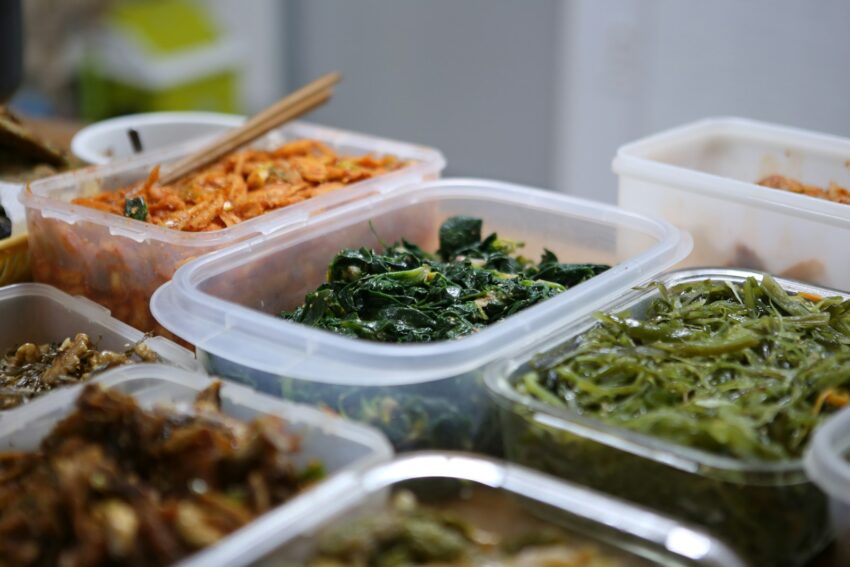
But healthy meal planning doesn’t have to be complicated or time-consuming. With the right systems and expectations, it can actually make homeschooling easier — not more complicated. Nourished moms think more clearly, stay calmer, and have more consistent energy for the kids and themselves. And well-fed children learn better, stay focused longer, and feel more stable throughout the day.
Understanding Your Body’s Needs While Supporting Your Family
Many homeschool moms push through exhaustion, aches, or sluggishness without ever pausing to ask how their own physical comfort affects the rhythm of the home. Yet our bodies shape everything — the way we speak to our kids, the energy we bring to lessons, and the emotional tone we set.
One often overlooked aspect of this conversation is the physical comfort derived from a procedure such as a breast reduction. For some adults, chronic shoulder pressure, back strain, or posture challenges can make even simple daily tasks feel harder than they need to be. Understanding that physical well-being influences energy, mobility, and mental clarity is part of building a sustainable meal-planning routine. When your body feels supported, it becomes much easier to cook, prep, and stay engaged with healthier choices — without feeling drained by the effort.

Nutrition Choices That Support Your Energy as a Homeschooling Parent
Healthy meal planning is not only about what to feed the family, but it’s also about building routines that keep you fueled enough to lead the day. Many homeschooling parents find themselves skipping meals, eating whatever the kids leave behind, or relying on quick snacks that don’t provide real energy. As you explore your energy patterns, it’s helpful to understand the role of overall wellness, and if you need to, it might be worth it to explore the various weight-loss support options available in order to better understand your health journey more broadly.
Building a Meal Planning System That Actually Works
Meal planning is less about creating the perfect weekly menu and more about building a flexible framework that fits your real life. Here’s how to simplify the process without sacrificing nutrition:
Start With the Meals Your Family Already Loves
You don’t need to become a gourmet chef to feed your family well. Make a list of meals that everyone enjoys, that you can prepare quickly, and that don’t require expensive or hard-to-find ingredients. These become the foundation of your weekly rotation.
Choose a Simple Weekly Pattern
Instead of reinventing the wheel every week, try a structure like:
- Monday: pasta or rice bowl
- Tuesday: tacos or wraps
- Wednesday: slow-cooker meal
- Thursday: sheet-pan dinner
- Friday: leftovers or breakfast-for-dinner
Patterns reduce decision fatigue and make planning faster.
Prep Only What Genuinely Helps
Instead of spending hours chopping, portioning, and batch-cooking every Sunday—as Pinterest often suggests—focus only on prep tasks that genuinely make your week easier. This might mean washing fruit, chopping a few vegetables, marinating protein, cooking a simple pot of rice, or prepping lunchbox items for the kids. These small, targeted steps keep weekday cooking quick and manageable without overwhelming your weekend.
Involve Your Kids in Age-Appropriate Ways
You can also involve your kids in meal planning in age-appropriate ways, making it a natural part of your homeschooling routine. Younger children can help with simple tasks like washing produce, stirring ingredients, or setting the table. Older kids might take on slightly more advanced jobs, such as chopping softer foods, reading recipes, or practicing basic cooking skills. Teens can often prepare entire meals with light supervision. Involving children at every stage not only lightens your workload but also teaches valuable life skills they’ll carry into adulthood.
Keep a “Busy Day” Emergency Menu
On days when lessons run long, motivation dips, or the house feels chaotic, it helps to keep a short list of quick meals you can pull together in 15 minutes or less. Simple options like scrambled eggs with toast and fruit, quesadillas with veggies, pasta tossed with jarred sauce and frozen spinach, or baked potatoes loaded with easy toppings can save you from last-minute stress and prevent the temptation to rely on less healthy fallback choices.
Supporting Your Mental Well-Being Through Meal Planning
It may seem surprising, but meal planning can bring emotional relief. When you know what’s for dinner, you eliminate one of the biggest sources of daily stress for families — decision overload. This gives your brain more room to focus on teaching, connecting with your kids, and managing the household.
Consider these supportive strategies:
Give Yourself Permission to Keep It Simple
Homeschooling itself is a significant workload. You don’t need to produce restaurant-level meals every night. Nutritious, familiar, and simple foods absolutely count.
Notice What Drains You
Does chopping vegetables feel like a marathon? Does cooking while managing sibling squabbles spike your stress? Understanding your overwhelm points helps you adjust your meal planning system so it works with you, not against you.
Integrate Breaks Into Your Cooking Process
Just as you give your kids breaks during lessons, build movement or rest breaks into your meal routine:
- Stretch while the water boils
- Listen to a calming podcast
- Give yourself a quiet moment before the dinner rush
Supporting your mind also supports your family.
Meal Planning as a Form of Self-Support
Healthy meal planning isn’t about strict rules, elaborate recipes, or picture-perfect organization. It’s about designing a rhythm that supports your energy, your body, and your homeschooling routine. When you feed yourself well, you’re not just taking care of your own health — you’re building a more stable, thriving environment for your children. You deserve nourishment. You deserve routines that feel manageable. And you deserve to feel supported — physically, mentally, and emotionally — in the work you do every single day.