
The modern world faces many unique problems today that simply weren’t issues 100 or even 50 years ago, and one of the biggest by far is plastic consumption.
Humanity produces a staggering 300 million tons of plastic annually, placing a significant burden on the environment.
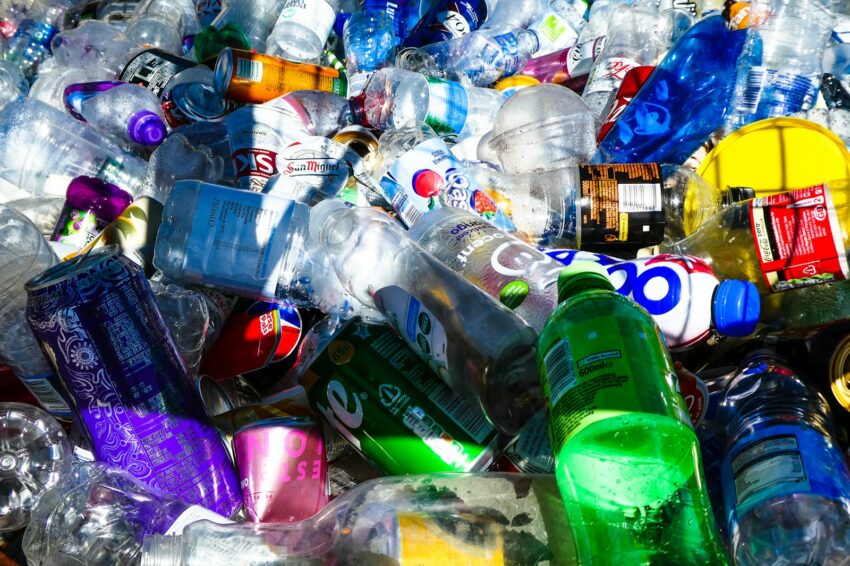
Something has to be done, and while large businesses and corporations must be held accountable, there’s still a lot you can do as an individual.
In this article, you’ll learn about 10 ways you can reduce your single-use plastic consumption and lessen your impact on the planet.
Use Reusable Bags
Plastic bags are one of the biggest contributors to the single-use plastic problem. Virtually everywhere you shop uses these bags to help you transport the items you’ve bought, after which they’re simply discarded – and sometimes in a way that’s not even recyclable.
You can reduce your contribution to this problem by simply bringing your own bags with you. Reusable bags made of canvas or cotton are stronger than the plastic ones they give you at the store anyway, and you can simply pop a few in your car and keep them there so you never forget.
Stop Buying Cheap Water Bottles
Single-use plastic drinking bottles are a major issue regarding the plastic that’s filling up the planet. It may seem relatively innocuous to buy a bottle of Coke for convenience when you’re out and about, but every time you do, that bottle remains in the environment for years after you throw it away.
Buy a low-profile, reusable drinking vessel to avoid this issue, and if you’re going to buy a single-use one, many companies exist that offer purified spring water in fully recyclable, BPA-free bottles (good for the planet and you!).
Choose Loose Produce When You Can
A significant issue at the moment is how carelessly plastic is used to package the products that you buy; it’s not uncommon to find, say, a floret of broccoli double-wrapped in sheets of plastic, when there’s no real utility to doing so.
Where you can, try to purchase fresh produce loose. Thankfully, many supermarkets are now offering paper bags to make things easy.
Don’t Use Plastic Straws
Plastic straws became emblematic of the global plastic problem a few years ago, and it’s easy to see why. These are one of the most commonly found items during beach cleanup efforts all over the world.
You could either simply not use a straw, or swap to a stainless steel one – these are reusable for years, and don’t come with anywhere near the environmental impact as plastic ones (they’re also very easy to take with you wherever you go).
Consider Your Online Shopping Habits Carefully
Especially since the COVID-19 pandemic, online shopping has become the main method for buying the majority of the products people need daily. Amazon Prime has seen a particularly large uptick in users, and next-day delivery can have a significant impact on waste.
Products are often not packaged efficiently to minimize plastic use, but one way you can help mitigate that is by buying in bulk. When you bulk buy, you avoid the products being individually wrapped in plastic, and you can also make some significant savings this way, too.
Analyze the Products You Buy for Durability
There are many products people buy, such as razors, food containers, eating utensils, and more, that are designed to be quickly discarded. If money’s tight or you’re in a rush, it can be easy to turn to these sorts of items for convenience, but there’s a significant environmental cost in doing so.
If you can, buy higher-quality products that have a longer lifespan. While they might be more expensive outright, you’ll likely make a saving because they’re made to last.
Support Eco-Friendly Companies
Given the sorts of critical environmental problems humanity faces as a species, there are now hundreds of companies whose very existence rests on the foundation of producing their products in a sustainable way.
Despite the situation seeming bleak, the reality is that there’s been a huge surge of innovation from those looking to both make great products that last and protect the planet. Whatever you’re buying, do your best to support these businesses.
Use Refillable Products
Some of the biggest contributors to plastic waste have been the household products people buy on a weekly or bi-weekly basis. Think stuff like washing-up liquid, clothes detergent, and hand soap.
These products all traditionally come in plastic containers, so many companies have now started offering refill packs, enabling you to reuse the original bottle or tub. Switch to these sorts of products as much as you can.
Limit Takeaways
If you’re someone who consumes a lot of takeaway food, unfortunately, your habits make a big difference to the environment. Take-out is almost always packaged for maximum cost reduction and efficiency, which means a lot of plastic tubs, bags, and wraps.
If you want to take your environmental ethics seriously, consider limiting the amount of takeaways you consume every month.
Avoid Microplastics
The plastic problem doesn’t only comprise the plastics you can touch – microplastics are also a significant problem.
These are tiny fragments of plastic that are found in cosmetic products like face washes and toothpaste, among other things. These are a problem as they go down the drain and pollute the world’s oceans, and the scary thing is, you can’t even see them.
Always check the label of any cosmetic product you’re buying. Many are now labeled as being microplastic-free, and if you can’t find any locally that don’t contain plastic, consider opting for a natural alternative that you can guarantee won’t pollute.
Wrapping Up
You don’t have to be perfect in your effort to reduce your plastic consumption. Every little helps, and if each person made a considerable effort to lessen their impact, it would make a huge global difference. The fact that you’re trying is enough, and you can be safe in the knowledge that you’re fighting the good fight.