
Plant two seeds in the same pot of soil, give them the same sunlight and the same water, and they may still grow up looking nothing alike. One stretches tall and leggy while the other stays compact. One flowers early, the other takes its time. If you have ever tended a backyard garden or run a homeschool science project with your kids, you have probably watched this happen and wondered why.
The answer is part genetics, part environment, and part human choice. Breeders have spent generations selecting plants for traits that make them useful, beautiful, or easier to grow. This article looks at what actually makes one plant variety stand out from another, and how you can use that knowledge to choose better plants for your own home and family.
What Plants Inherit From Their Parents
Every plant carries a set of instructions passed down from its parents. That genetic makeup influences which characteristics a plant can inherit and express. Some of the most noticeable ones include:
- Flower color and appearance
- Plant height and growth patterns
- Fruit size, shape, and flavor
- Disease resistance
- Flowering and maturity times
Think of a cherry tomato and a beefsteak tomato. Both are tomatoes, but their genes steer them toward very different fruit sizes, growth habits, and flavors. A variety is essentially a group of plants that share a recognizable set of traits and pass them on reliably. That reliability is what makes a variety worth naming, growing, and buying again.
Why Your Garden Matters Just as Much
Genes are only half the story. A scientific paper in Crop Science explains that a plant’s observable characteristics result from the interaction between its genetic makeup and its growing environment (Parrott et al., 2017).
In plain terms, a plant with great genes can still struggle in the wrong conditions. Soil quality, sunlight, temperature, water, and spacing all shape how a plant turns out. That is why the photo on a seed packet and your actual harvest don’t always match. It also explains why a variety that thrives in your neighbor’s yard may sulk in yours.
For busy parents, this is good news. You can’t change a seed’s genes, but you can improve its odds by paying attention to light, watering habits, and the space you give it.
Where New Varieties Come From
Breeders work by selecting plants with desirable traits and crossing them over many generations, aiming for varieties that perform consistently. The goals depend on the crop. Some breeders want sturdier stems, others want stronger disease resistance, a shorter wait until harvest, or better flavor. A new trait has to show up reliably before a plant can be called a variety, which is why this work takes patience.
Seed companies reflect that range of goals. Pacific Seed Bank, for example, sells cannabis seeds in several categories, including feminized, autoflowering, and high-CBD types, and each category exists because growers want something different from their plants. Some want compact plants, some want faster maturity, and others care most about a specific compound profile.
That last goal is a good example of how far selective breeding can go. For adults in places where growing cannabis is legal, high-CBD options are now available from Pacific Seed Bank, and they show how a plant can be developed around its internal makeup rather than only its looks or size. Rules on growing cannabis differ widely by country, state, and even community, so it is worth checking local laws before buying seeds of any kind.
How to Pick a Variety That Suits Your Garden
You don’t need to be a plant scientist to pick well. A few simple questions go a long way:
- How big will it get? Check the mature height and spread so you don’t crowd your space.
- How long until harvest or bloom? Maturity times matter if your growing season is short.
- What does it resist? Disease resistance can save you a lot of frustration.
- Does it suit your climate? Look at the growing notes for sun, water, and temperature needs.
Start small. Choose one or two new varieties each season rather than overhauling the whole garden. Keep a simple notebook with planting dates and what you noticed. After a season or two, you will know which plants fit your yard, your schedule, and your patience level.
A Simple Science Project to Try With the Kids
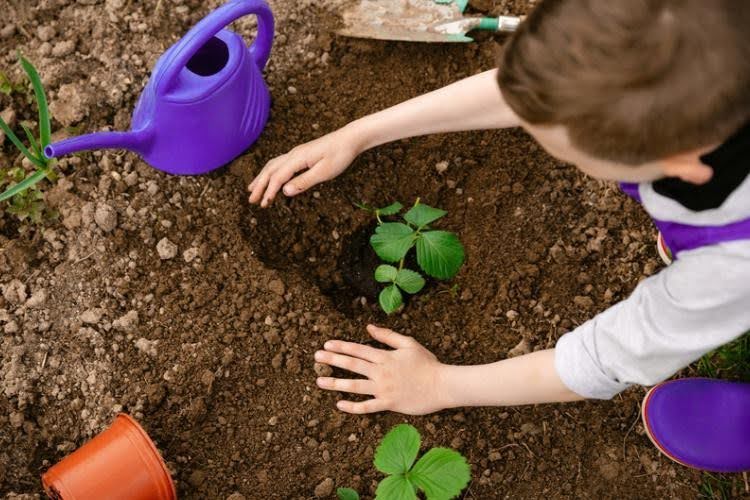
Varieties make a wonderful hands-on lesson for kids. Pick two types of the same plant, such as two kinds of bean or two kinds of sunflower, and grow them side by side in the same conditions. Have your children measure height each week, note when the first flower opens, and draw what they see.
Because the conditions are the same, any differences they find point back to genetics. Then try changing one thing, like moving a pot to a shadier spot, and let them watch how the environment changes the result. It is a real, memorable way to show that traits come from both inheritance and surroundings, and it fits neatly into a homeschool science plan without any special equipment.
Before You Buy Your Next Seeds
Plant varieties stand out because of the traits their genes allow and the conditions they grow in. Breeders shape the first part over many generations, and you shape the second part every time you water, space, and tend a plant.
Next time you shop for seeds, read the details instead of just the picture. Look at size, timing, resistance, and climate fit, and choose something that suits your real life. Then keep notes and let the kids join in. Every season gives you another chance to see what happens when you grow something a little different, and what that teaches the whole family.
Reference
Parrott, W., Souder, C., Sparks, O., Urquhart, W., Ward, J. M., & Vicini, J. L. (2017). Bringing New Plant Varieties to Market. Crop Science, 57(6), 2906.