
A family pet brings plenty of joy into a home. It also brings daily needs that never take a day off. Food, fresh water, exercise, and gentle handling all matter every single day. For children, those needs can become early lessons in caring for another living being.
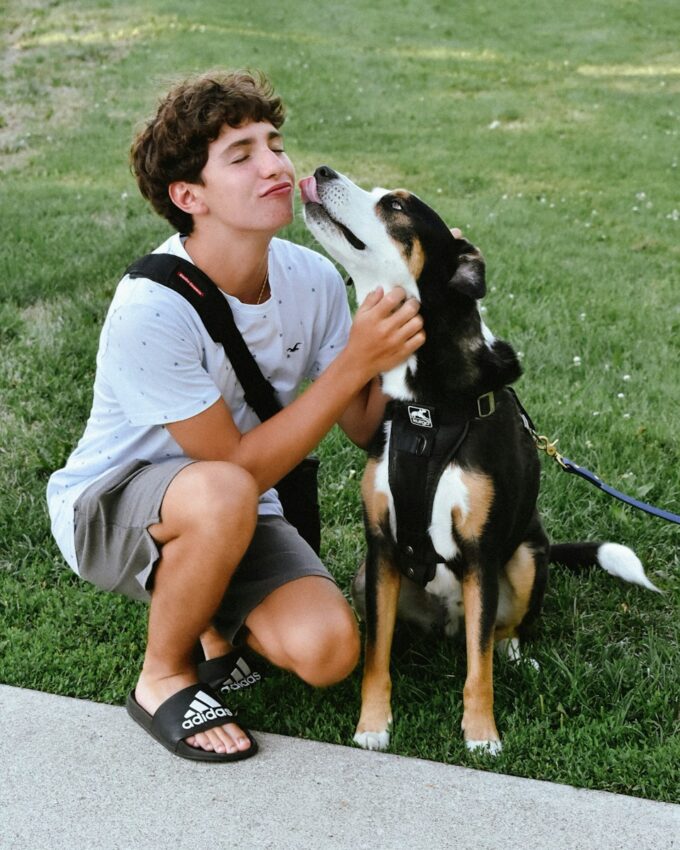
Kids rarely learn responsibility from a lecture. They learn it from real tasks with real consequences. A hungry cat at breakfast time makes that lesson clear fast, and empathy grows the same way.
This guide covers how pets help kids build both skills. You will find age-appropriate chores, tips for reading animal body language, and key safety habits. You will also learn how to guide your child through a pet’s illness or death.
Why Pets Make Strong Teachers for Kids
Pets depend on people for almost everything. They cannot fill their own bowls, book a vet visit, or open the door for a walk. When your child helps meet those needs, the work feels meaningful. The animal’s response offers instant feedback, too.
A pet also can’t explain its feelings in words. Your child has to watch, listen, and think about what the animal might need. That habit of noticing someone else’s experience sits at the heart of empathy.
Pets teach patience as well. A puppy that chews a shoe tests a child’s temper. With your guidance, your child learns that mistakes call for teaching, not anger. Kids can carry that lesson into friendships, school, and family life.
Age-Appropriate Pet Chores for Your Child
Children can handle more as they grow. Still, an adult should always hold final responsibility for a pet’s health and safety. Kids can share the work, but they shouldn’t carry it alone.
Toddlers and Preschoolers
Young children do best with simple tasks and close supervision. Try these starter jobs:
- Water Bowl Helper: Your child can help you refill the water bowl while you watch.
- Toy Tidy-Up: Little ones can gather pet toys into a basket at the end of the day.
- Gentle Petting Practice: You can model soft, slow strokes and show where the pet enjoys touch.
School-Age Kids
Children in elementary school can take on more structure. With your help, they might measure food, brush a calm pet, or check the water each morning. A picture chart on the fridge helps them remember each step.
Tweens and Teens
Older kids can manage bigger routines. They may walk a dog with you nearby, clean a litter box, or help track vet appointments. Teens can also learn to spot early signs that a pet feels unwell.
How Daily Care Builds Responsibility
Routine sits at the core of responsible pet care. When your child feeds the dog at the same time each day, the task becomes a habit. Kids then see that commitments don’t depend on mood.
A few simple approaches help the lessons stick:
- Clear Expectations: Write down each chore, who owns it, and when it happens.
- Gentle Follow-Through: When a task is missed, your child should finish it after a reminder, while you make sure the pet never goes without.
- Specific Praise: You can point out real wins, such as remembering the evening walk without a prompt.
Trusted resources can support these lessons. For example, Pet Health Digest shares expert-backed health, nutrition, and training advice for pet parents. Read these guides with your child and turn pet care into a shared learning project.
Teaching Empathy Through Pet Body Language
Animals communicate through posture, ears, eyes, and tails. When your child learns these signals, they start to see the pet as a feeling being. Each species and breed has its own quirks, so keep that in mind as you research your pet’s needs. For more information, visit Pet Authority, which covers a range of topics on pet health, nutrition, and wellness.
Signs a Dog Feels Stressed
Teach your child to watch for these common warning signs:
- Lip Licking and Yawning: A dog may lick its lips or yawn when it feels uneasy, not only when tired.
- Whale Eye: The dog turns its head slightly away but keeps watching you, showing the whites of its eyes.
- Tucked Tail: A low or tucked tail often signals fear or worry.
Signs a Cat Wants Space
Cats send their own signals. Flattened ears, a swishing or thumping tail, and dilated pupils often mean a cat feels annoyed or scared. Your child can learn to step back and let the cat calm down.
Questions That Build Perspective
Once kids recognize these cues, you can ask open questions. A simple “How do you think the dog feels right now?” invites your child to think beyond their own wants. That same skill helps them read people’s feelings, too.
Safety Habits Every Child Should Learn
Empathy and safety go hand in hand. A child who respects a pet’s signals is less likely to get scratched or bitten. Still, a few firm rules protect everyone in the home.
- Hands Washed Every Time: Your child should wash with soap and water after touching pets, pet food, or waste.
- Resting and Eating Pets Left Alone: Kids should never disturb a sleeping or eating animal.
- Adults Present With Young Kids: Supervise every interaction between young children and pets.
- Extra Care With Reptiles: The CDC advises that children under 5 should not touch reptiles, amphibians, or backyard poultry because of Salmonella risk.
Lessons From Illness and Loss
Pets have shorter lives than people. For many kids, a pet’s illness or death becomes their first real experience with loss. These moments hurt, but they also teach compassion and resilience.
Caring for a Sick or Aging Pet
When a pet gets sick, your child can help in small ways. They might sit quietly with the animal or keep the house calm. You should handle medication and vet care, and explain the plan in simple terms. Pet Health Digest covers common health topics that can help you explain a pet’s condition clearly.
Talking About Death Honestly
Clear, honest language helps children understand loss. Child grief specialists often suggest avoiding phrases like “put to sleep,” since young kids may start to fear bedtime. You can explain that the pet’s body stopped working and won’t work again. Let your child grieve, ask questions, and remember the pet in their own way.
Raising Kind, Capable Kids Alongside Pets
A pet can teach your child lessons that last a lifetime. Daily chores build reliability, while reading an animal’s signals builds empathy. Hard moments, like illness or loss, deepen both.
Start small and match tasks to your child’s age. Stay involved, keep safety rules firm, and talk openly about how your pet feels. With patience and steady guidance, your family pet can help raise a more caring, responsible child.