
A home can look completely renovated from the street while hiding problems that threaten every dollar spent on improvements. Fresh siding, new windows, and carefully landscaped gardens may create impressive curb appeal, but a deteriorating roof can quietly undermine those investments.
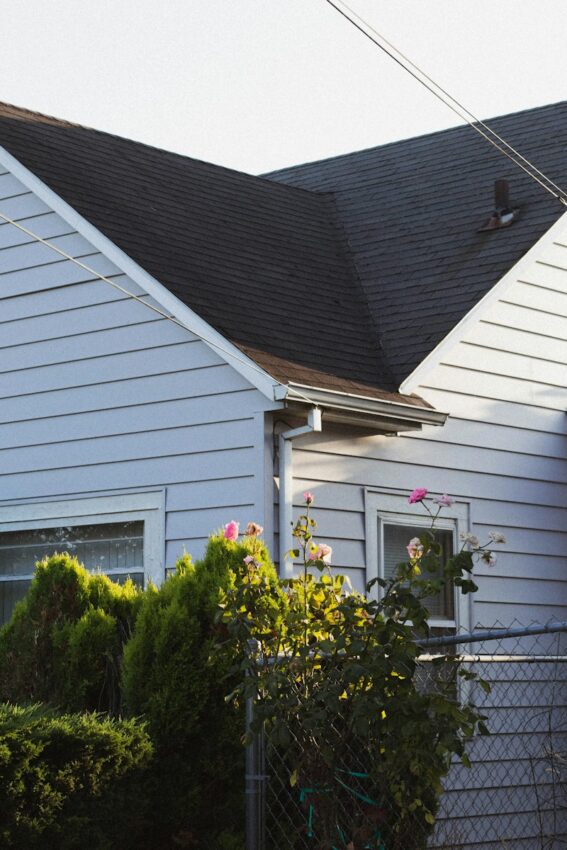
Rainwater doesn’t respect renovation budgets. It follows openings, damaged flashing, and poorly managed drainage until it reaches vulnerable building materials.
This is why the order of home improvements matters. Certain projects should happen before others, especially when roofing, insulation, solar installations, and exterior drainage are involved.
Understanding these connections helps homeowners avoid repeated construction work, protect completed upgrades, and make decisions that improve both appearance and long-term performance.
Evaluate Roof Conditions Before Planning Major Improvements
The roof protects nearly every other component of a house, yet homeowners often prioritize visible renovations before examining its condition.
Missing shingles, deteriorated flashing, damaged underlayment, and weakened decking can allow moisture to enter without immediately producing obvious interior stains.
Before investing in major exterior or interior improvements, consulting a qualified roofing company can help determine whether the existing system needs repairs, maintenance, or replacement.
A professional assessment should consider the roof’s age, installation quality, material condition, and any evidence of water intrusion.
Homeowners should request photographs of identified problems and explanations of recommended solutions.
Not every aging roof requires immediate replacement. Localized damage may be repairable when the surrounding materials remain sound.
However, extensive deterioration can make repeated patchwork repairs impractical.
Resolving significant roofing problems early reduces the risk of water damaging freshly renovated ceilings, insulation, or exterior walls.
Install Solar Panels Without Creating Future Roofing Expenses
Solar panels are increasingly considered during home improvement planning because they can generate electricity and reduce reliance on purchased power.
However, installing panels over an aging roof may create an expensive scheduling problem.
If the roof requires replacement several years later, the solar equipment may need to be removed and reinstalled.
This adds labor costs and complicates the roofing project.
Before installing solar panels, homeowners should evaluate the condition and expected remaining service life of their roofing materials.
Roof orientation, shading, structural capacity, and electrical requirements also influence the project’s feasibility.
Mounting systems must be installed correctly to prevent water intrusion around attachment points.
When both improvements are necessary, coordinating roofing and solar work can reduce disruption and unnecessary expenses.
Planning these projects together is often more practical than treating them as unrelated investments.
Improve Natural Lighting Without Compromising Weather Protection
Dark rooms can make a home feel smaller and less inviting, even when the interior design is otherwise attractive.
Skylights offer one way to introduce daylight into spaces where conventional windows provide limited illumination.
However, their installation requires careful planning.
Cutting an opening through the roof changes the building’s protective envelope and may affect structural framing.
Improper flashing or sealing can allow rainwater to enter around the skylight.
Homeowners should also consider insulation, condensation, and the amount of sunlight entering the room.
A poorly positioned skylight may introduce unwanted heat during warmer months.
If a roof renovation is already planned, installing skylights during the same project may simplify coordination.
The objective is to improve indoor lighting while maintaining the roof’s ability to protect the home.
Correct Gutter Problems Before Replacing Exterior Siding
New siding can transform a home’s appearance, but its durability depends partly on how water moves across the exterior.
Clogged, damaged, or improperly positioned gutters may direct runoff against walls and fascia boards.
Repeated moisture exposure can damage exterior finishes and contribute to deterioration beneath siding.
Before installing replacement panels, homeowners should examine the existing drainage system.
Look for sagging gutters, leaking joints, overflowing sections, and downspouts discharging water near the foundation.
Repairing or replacing damaged components can help protect the new exterior materials.
Gutter guards may reduce certain debris problems, although routine inspection remains necessary.
Homeowners should also consider how roof runoff affects landscaping and walkways.
Proper drainage protects more than the roofline. It supports the performance of several connected home improvements.
Coordinate Attic Insulation With Ventilation Improvements
An uncomfortable upper floor may encourage homeowners to add insulation immediately.
However, insulation isn’t the only factor affecting attic temperatures and indoor comfort.
Air leakage, moisture movement, and ventilation conditions can influence how the space performs.
Gaps around attic hatches, plumbing penetrations, and recessed fixtures may allow conditioned air to escape.
Adding insulation without addressing these openings can limit the improvement.
Moisture problems also deserve attention before covering existing surfaces.
The appropriate ventilation strategy depends on the home’s construction, climate, and insulation arrangement.
More ventilation isn’t automatically better in every situation.
A qualified assessment can identify whether air sealing, insulation, or ventilation changes would provide the greatest benefit.
Coordinating these improvements helps homeowners avoid unnecessary work and supports more consistent indoor temperatures.
Choose Roofing Materials That Complement Exterior Renovations
Roofing materials influence both the appearance and performance of a house.
When planning siding, trim, or exterior paint upgrades, homeowners should consider whether the roof’s color and texture complement the proposed design.
Asphalt shingles offer numerous styles and generally accessible upfront costs.
Metal roofing provides another option, with durability and maintenance requirements depending on the specific system.
Material selection should also account for roof slope, structural capacity, local weather conditions, and installation requirements.
A product that performs well on one property may not be appropriate for another.
Homeowners should compare manufacturer warranties and understand the difference between material coverage and workmanship protection.
Choosing roofing based exclusively on appearance or initial price can overlook important long-term considerations.
A coordinated exterior design should balance visual appeal with dependable weather resistance.
Protect Outdoor Living Areas From Poor Drainage
Decks, patios, and landscaped gathering areas can make a backyard more enjoyable.
However, these improvements may create problems when construction interferes with existing drainage patterns.
Rainwater collecting beneath a deck or against a patio can contribute to moisture problems and soil movement.
Before construction, homeowners should examine the slope of the property and identify where runoff travels during heavy rainfall.
Deck connections to the house require particular attention because improper installation can allow water into exterior walls.
Material selection also affects maintenance.
Wood decking may require periodic refinishing, while composite materials have different cleaning and installation requirements.
Outdoor improvements should include appropriate drainage and structural planning before decorative features are selected.
A comfortable backyard shouldn’t create new risks for the house.
Build a Renovation Timeline That Avoids Repeated Construction
Home improvement costs often increase because projects are completed in an inconvenient sequence.
Installing new ceilings before repairing a leaking roof can result in repeated drywall work.
Adding solar panels before replacing deteriorated shingles may require unnecessary equipment removal.
Landscaping before correcting gutter drainage can lead to damaged planting beds and erosion.
A practical renovation schedule begins by identifying essential repairs and understanding which improvements depend on others.
Structural problems, water intrusion, and safety concerns generally deserve attention before cosmetic upgrades.
Homeowners should obtain detailed estimates and clarify responsibilities for permits, inspections, and cleanup.
Maintaining a contingency budget is also important because hidden damage may become visible during construction.
Coordinating related projects can reduce duplicated labor and help protect finished surfaces.
Ultimately, successful home improvement isn’t measured by how many upgrades are completed.
It’s measured by whether those improvements work together.
When homeowners prioritize the building’s protective systems and plan renovations in a sensible order, they can create a more attractive, comfortable, and dependable property without repeatedly paying to correct avoidable mistakes.