
A home makeover often begins with a feeling rather than a plan. Homeowners across Fort Wayne walk through the same rooms every day and slowly notice the faded paint, the worn floors, and the layout that never quite suited the way their families live.
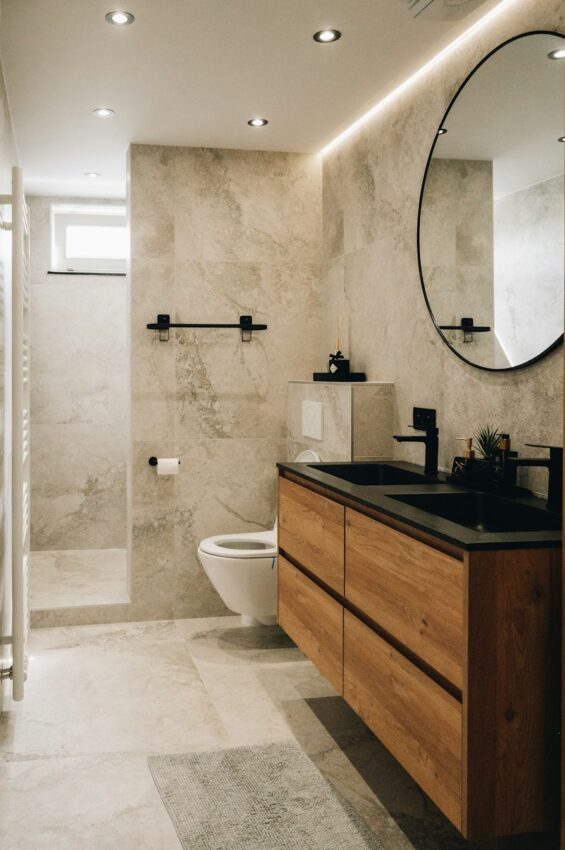
The best makeovers reflect the personality of the people who live there while also solving everyday problems. When style and function work together, the result is a home that looks good on the first day and still feels right years later.
Where Style Meets Daily Function
Most homeowners start a makeover with a long wish list, and a few rooms usually rise to the top because they see heavy use every single day. The bathroom is often one of them, since cracked surfaces, dated fixtures, and a tight layout can make busy mornings feel harder than they should. Updating that space well calls for a remodeling contractor who can deliver a fresh look without dragging the work out for weeks.
Get in touch with a Fort Wayne bathroom remodeling contractor who can complete most projects in a single day, using durable acrylic products with antimicrobial protection, custom shower doors, liners, and tub or shower conversions to turn those plans into a finished space. A quick, tidy update in one key room also builds momentum for the rest of the makeover.
Start With How You Actually Live
Before choosing colors or browsing furniture, take an honest look at your daily routine. Think about where your family gathers, where things tend to pile up, and which rooms feel cramped or underused. A makeover that ignores these habits may look lovely in photos but frustrate you within a month.
Spend a week paying attention to small irritations. Perhaps the kitchen counter is always crowded, the entryway has nowhere to drop shoes, or the living room lighting is too dim for reading. Write them down and keep the list close as you plan, because they will guide your priorities better than trends will.
Defining Your Personal Style Before You Spend
Many people struggle to describe their own taste, yet it shows up in the things they already love. Look at the pieces you have kept for years, the places that make you feel calm, and the colors you reach for when buying clothes or decor. Patterns will appear, and those patterns form the foundation of your style.
Collecting images can help, but try to notice why each one appeals to you. Is it the warm wood, the clean lines, the soft lighting, or the sense of open space? Once you can name those qualities, you can carry them from room to room and create a home that feels connected rather than pieced together.
Choosing Materials That Hold Up to Daily Life
A beautiful finish loses its charm quickly if it scratches, stains, or wears out in a year. Practical choices do not have to look plain. Many durable materials now come in a wide range of colors, textures, and patterns, so you can choose something that suits your taste and still stands up to children, pets, and constant use.
Think about how each surface will be used. High-traffic floors need something tough and easy to clean, while a quiet bedroom can handle softer, more delicate options. Moisture, sunlight, and heat all affect how materials age, so match each choice to the conditions of the room.
Setting a Budget With Room for Surprises
A clear budget keeps a makeover from growing out of control. Start by deciding on the total amount you are comfortable spending, then divide it among the rooms and tasks that matter most. Give the largest share to the changes that will improve your daily life, and save the purely decorative touches for later if money runs short.
Older homes in particular can hide problems behind walls and under floors. Setting aside a reserve for unexpected repairs means a surprise will not force you to abandon the project halfway through. A budget with breathing room lets you make decisions calmly instead of under pressure.
Deciding Which Rooms Come First
Trying to update the entire home at once can be exhausting and expensive. Most families find it easier to work in stages, starting with the rooms that cause the most daily frustration or offer the greatest return. Kitchens and other heavily used spaces often lead the list because improvements there are felt every day.
Working in stages also lets you learn as you go. After finishing one room, you will have a better sense of what you like, how long things take, and where you can save. Keep the overall style in mind throughout, so that each finished room fits naturally beside the next.
Planning for Safety and Long-Term Comfort
A good makeover looks ahead as well as around. Consider how your needs might change over the next ten or twenty years. Wider doorways, low thresholds, sturdy grab points, and good lighting make a home safer for older relatives, young children, and anyone recovering from an injury.
Many safety-minded designs blend smoothly into a stylish space, and some, such as step-free entries and slip-resistant surfaces, simply make life easier for everyone. Planning for comfort now can save you from costly changes later and allow you to stay in the home you love for many more years.
Keeping Clutter in Check With Smart Storage
Even the most attractive room feels stressful when every surface is covered. Built-in shelves, hidden cabinets, and furniture with storage underneath can keep everyday items close at hand without crowding the space. Good storage protects your style by letting your chosen colors, materials, and decor stand out.
Plan storage around the items you actually own and use. Give every frequently used item a clear place, and the home will stay tidy with far less daily effort. That ease is often what makes a makeover feel truly finished, long after the last coat of paint has dried.