
A home can look secure while still offering wildlife a surprising number of ways inside. In Center Point, Alabama, where the 2025 population estimate was 15,538, homes sit in a region where tree cover, crawl spaces, rooflines, garages, and outdoor food sources can all create opportunities for animals looking for shelter. The goal is not to seal a house so aggressively that it feels fortified. It is to make the property harder to enter, less rewarding to visit, and easier to monitor. A few practical changes can reduce the chance of damage without turning ordinary home maintenance into a full-time job.
Why Wildlife Keeps Testing the Same Weak Spots
Wild animals are usually looking for shelter, food, and a protected place to rest or raise young. A warm attic, open crawl space, or loose vent can provide exactly that.
The same entry point may be used repeatedly if it stays accessible. Roof gaps, damaged soffits, worn weather stripping, uncapped chimneys, and openings around utility lines are common examples.
Catch the Early Signs Before Damage Spreads
Wildlife activity often shows up indirectly.
You may hear scratching in a ceiling, notice droppings in a garage, find insulation pulled apart, or see a vent that suddenly looks bent or loose. Gnaw marks, strange odors, and repeated pet interest around one wall can also be useful clues.
For homeowners dealing with wildlife removal in Center Point, early inspection can help separate a minor entry problem from a larger issue involving nesting, contamination, or damage behind walls and ceilings. The goal should be to identify what is present, how it entered, and whether more than one animal may be involved before sealing or repairing the opening.
That order matters. Closing an active entry point without confirming the animal is out can trap wildlife inside and make the situation worse.
Seal Openings After the Structure Is Clear
Once the animal is gone and the space has been checked, exclusion becomes the long-term fix.
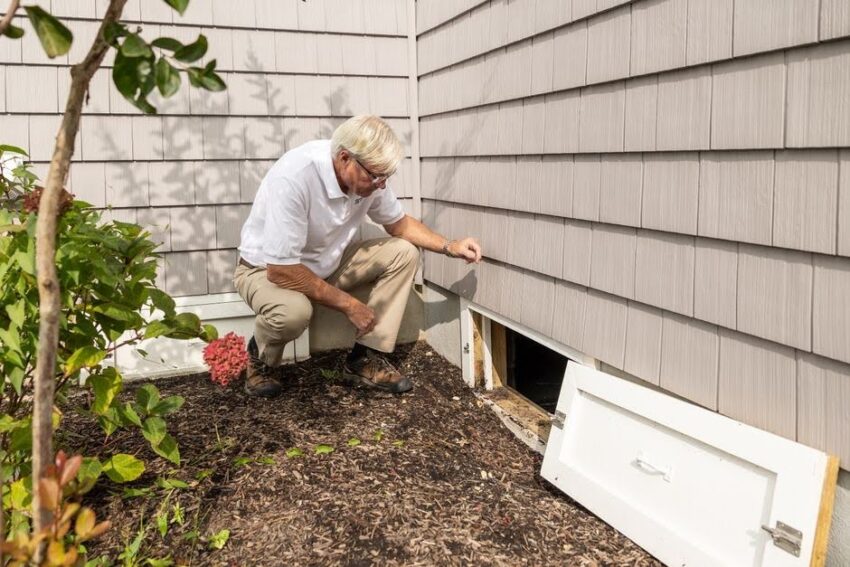
Inspect roof edges, soffits, vents, foundation gaps, utility penetrations, garage doors, crawl-space covers, and siding transitions. Small openings matter more than they look.
The CDC notes that mice can fit through an opening about the width of a pencil, roughly a quarter of an inch. Sealing gaps around vents, pipes, windows, doors, roofs, and foundations can reduce the chance of future rodent entry.
Use durable materials suited to the gap. Metal mesh, flashing, hardware cloth, or proper repair materials usually make more sense than a temporary patch animals can chew through or push aside.
Make the Yard Less Rewarding
The yard can encourage wildlife activity long before an animal enters the house.
Open trash, pet food, fallen fruit, birdseed, compost, and standing water can all draw animals closer. Once they begin visiting regularly, nearby shelter becomes more attractive.
Keep rubbish containers tightly closed. Bring pet food inside. Store seed securely and clean up spills beneath feeders. Trim dense vegetation near the house so animals have less cover around entry points.
The CDC also recommends removing outdoor clutter and reducing food and shelter sources around the home. Making the property less useful to rodents can reduce the broader wildlife pressure that often starts with easy access to food and cover.
Do Not Treat Every Animal the Same Way
A squirrel, bat, raccoon, bird, and rodent problem may all require different handling.
Species matters because behavior, nesting habits, health risks, and legal protections vary. Some animals use attics temporarily. Others establish nests or return to the same route.
Observe first. Note when sounds occur, where droppings appear, and whether activity is concentrated near one opening.
If the situation involves bats, aggressive animals, repeated entry, or inaccessible nesting areas, qualified help is often the safer choice.
Protect Wiring, Insulation, and Hidden Systems
Wildlife damage is often more expensive than the animal itself.
Rodents and squirrels can chew wiring. Nesting can compress or contaminate insulation. Larger animals may damage vents, ductwork, soffits, or roofing as they enter and move around.
Those hidden problems deserve inspection after removal.
If activity occurred near electrical wiring, have the area checked before closing it back up. If insulation is heavily contaminated or displaced, cleanup or replacement may be necessary. Damaged vents and openings should be repaired properly rather than covered cosmetically.
A house that no longer makes noise can still have damage left behind.
Clean Contaminated Areas Carefully
Droppings, urine, nesting material, and dead animals can create sanitation concerns.
Do not rush into a contaminated attic or crawl space with a broom and vacuum. Dry sweeping can disturb particles and spread them into the air.
Use appropriate protective measures and follow species-specific cleanup guidance. Heavy contamination, damaged insulation, or difficult-to-access spaces may require professional cleanup.
Build Wildlife Checks Into Normal Home Maintenance
Prevention works best when it becomes routine.
Walk around the exterior a few times a year and after major storms. Look for shifted vents, loose trim, holes around utility lines, damaged soffits, and gaps near the foundation.
Check attics, garages, and crawl spaces for new droppings, odors, disturbed insulation, or gnaw marks. Tree branches that touch or overhang the roof may also provide easy access, so trim them back where practical.
Keep the House Livable, Not Fortified
Good wildlife prevention should blend into ordinary home care.
Secure trash. Close obvious gaps. Maintain vents and roof edges. Keep food and water from becoming easy rewards. Watch for repeated signs and act before damage spreads.
You do not need bars over every opening or a yard stripped of trees and landscaping. You need fewer easy entry points and fewer reasons for animals to keep testing the property.
That approach protects the house without making it feel defensive. It also reduces the chance that a small maintenance issue becomes an attic cleanup, wiring repair, or late-night scratching problem.
Wildlife belongs outside. A few sensible barriers, cleaner habits, and regular inspections can help keep that boundary clear without turning the home into a fortress.