
Sloppy joes have survived generations of weeknight dinners for a simple reason: they are quick, filling, inexpensive, and difficult to make truly complicated. That does not mean every version is good. Too much sugar turns the filling into meat coated in syrup. Too much liquid destroys the bun. Skip browning the meat and the whole thing can taste strangely flat. A better version does not require more work, just a little more control over flavor, texture, and timing. Get those parts right and sloppy joes become more than an emergency dinner. They become one of those meals worth keeping in regular rotation.
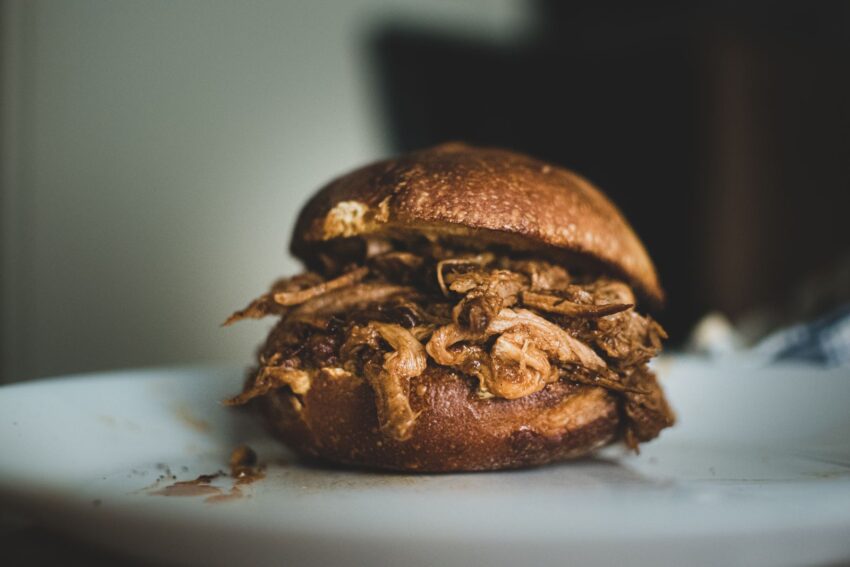
Build Flavor Before You Build the Sauce
The difference between an average sloppy joe and a very good one starts before the sauce goes in.
Ground meat needs time to brown. If it is constantly stirred or immediately covered with liquid ingredients, it tends to steam instead. Browning creates deeper savory flavor and gives the finished filling more character.
Onion and garlic can go in once the meat has started cooking. Peppers are optional, but they add texture and a mild sweetness without making the sauce sugary.
Then comes the sauce.
Ketchup provides sweetness, acidity, and tomato flavor in one ingredient, which is why it appears in so many recipes. Tomato paste can deepen that flavor without adding much liquid. Mustard sharpens the mixture, while Worcestershire sauce adds savory depth.
Brown sugar does not need to be automatic. Taste first.
A good sloppy joe should have some sweetness, but the beef and tomato should still taste like the main event.
Let the Cooking Method Do Some of the Work
Sloppy joes are already a relatively simple stovetop meal, but pressure cooking can make the process even more hands-off.
Recipes for Instant Pot sloppy joes can be especially useful when you want to brown the meat, cook the aromatics, and bring the sauce together in one vessel. The method keeps cleanup manageable while giving the ingredients time to cook together rather than feeling like meat with sauce added at the last second.
That does not mean everything should simply be dumped into the pot.
Brown the meat first when the recipe allows it. Cook onions until they begin to soften. Drain excess fat if necessary. Those early steps still influence the final flavor.
Pressure cooking is most useful when it reduces active cooking time without removing the parts of the recipe that actually matter.
Convenience works best when it supports good technique rather than replacing it.
Control Moisture Before It Reaches the Bun
The word “sloppy” gives the filling some freedom. It should not be interpreted as “soupy.”
The mixture needs enough sauce to coat the meat and stay moist, but it should still hold together when spooned onto a bun. If liquid immediately runs out around the edges, the filling probably needs more reduction.
Letting the mixture simmer uncovered can solve that problem.
Another common issue is adding water or broth automatically because a recipe lists it. Start with what the cooking method requires and remember that onions, peppers, meat, and condiments already contribute moisture.
The bun matters too.
A very soft bun can taste good but may collapse almost immediately under a wet filling. Lightly toasting the cut sides adds structure without turning the sandwich hard.
That extra minute can be the difference between eating dinner normally and trying to rescue it with a fork.
Keep Ground Meat Safety Simple
Good texture matters, but ground meat also needs to be cooked safely.
Ground beef should reach an internal temperature of 160°F, while ground poultry should reach 165°F. Using a food thermometer is more reliable than judging doneness by color alone. Checking the internal temperature of ground meat is particularly useful because appearance does not always indicate whether potentially harmful bacteria have been destroyed.
This does not make cooking complicated.
Insert the thermometer into the thickest portion of the cooked mixture where possible and confirm that it has reached the appropriate temperature.
If you substitute turkey or chicken for beef, remember that the recommended temperature changes.
The same principle applies when reheating leftovers. Heat them thoroughly rather than stopping when the filling merely feels warm around the edges.
A few seconds with a thermometer removes a lot of guesswork.
Use Acidity to Keep the Filling From Feeling Heavy
Sloppy joe sauce contains several rich and sweet ingredients, so a small amount of acidity can make a noticeable difference.
Mustard already contributes some. A little vinegar can sharpen the sauce further without making it taste sour.
Add it carefully.
The goal is not to identify vinegar as a separate flavor. It should simply make everything else taste clearer.
Pickles can do the same job when serving. Their acidity and crunch contrast with the rich filling and soft bun.
This is also why toppings do not need to be elaborate.
Cheese adds richness. Pickles add acidity. Jalapeños add heat. Coleslaw introduces freshness and crunch.
Choose one direction instead of stacking everything possible onto the sandwich.
The filling should still be the point.
Change the Format When the Meal Starts Feeling Repetitive
Making the same recipe regularly does not require eating it in exactly the same form.
The filling can go onto standard sandwich buns one night and smaller slider rolls another. It can be spooned over a baked potato, served with rice, or paired with roasted vegetables.
This is particularly useful when leftovers are involved.
A second dinner feels less repetitive if the same filling is being used differently.
Side dishes can stay simple because the sandwich already carries plenty of flavor. A crisp salad, roasted potatoes, corn, raw vegetables, or something pickled usually works better than another heavy dish competing for attention.
Weeknight meals do not need a restaurant-style collection of components.
One strong main dish and a straightforward side is enough.
Store Leftovers Properly Instead of Guessing
Sloppy joe filling is well suited to meal preparation because the sauce generally reheats without losing much texture.
Keep the filling separate from the buns. Otherwise, the bread absorbs moisture while stored and becomes unpleasantly soft.
Cooked meat leftovers should be refrigerated promptly and generally used within three to four days. Safe leftover storage guidance also recommends refrigerating leftovers within two hours and using shallow containers so food cools more quickly.
Freezing is another practical option.
Portion the filling before freezing so you only need to thaw what you plan to use. That is much easier than repeatedly reheating a large container.
When reheating, the sauce may have thickened in the refrigerator. A small splash of water can loosen it without changing the flavor much.
Warm it until fully heated, then adjust the consistency before serving.
Keep the Weeknight Version Practical
There is no prize for turning sloppy joes into a complicated cooking project.
Their strength is that they solve dinner quickly while still giving you enough control to make the result genuinely satisfying.
Brown the meat properly. Build a balanced sauce. Keep the consistency thick enough for a bun. Toast the bread if it needs extra structure. Store leftovers safely.
That is most of the work.
You can add toppings, change the protein, or use a different serving format when you want variety, but the core meal should remain simple.
Comfort food works best when it actually feels comfortable to make.
Once the flavor and texture are right, sloppy joes stop looking like the dinner you make when nothing else is planned. They become the dinner you plan because you know it will work.