
If you or your kid might need braces, the whole process can feel oddly complicated for something so common. You hear terms like ceramic, lingual, aligners, retainers, and suddenly it sounds less like orthodontics and more like a tech catalog. A better smile is part of it, but bite issues, jaw comfort, and long-term dental health matter just as much. Once you know what each option actually does, the decision gets much easier.
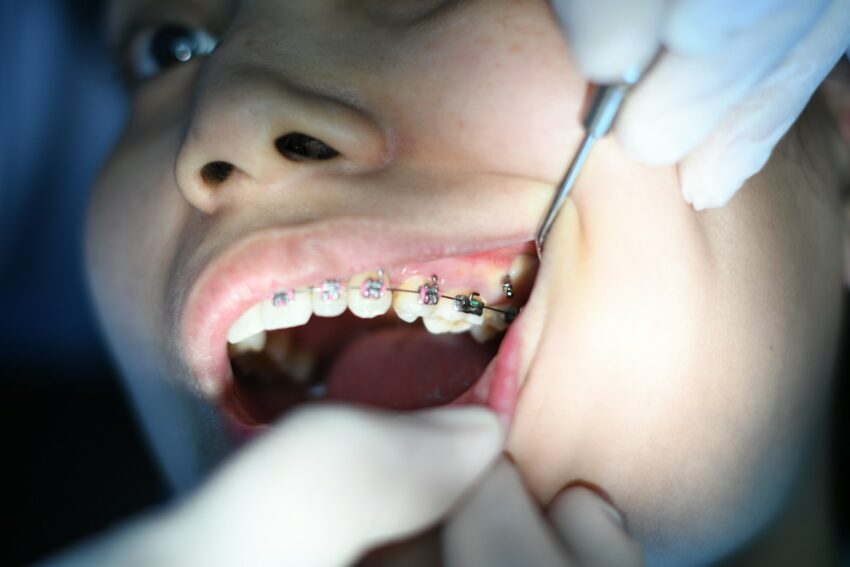
Ceramic braces: a lower-profile option with a similar system
Ceramic braces work a lot like metal braces, but the brackets are tooth-colored or clear. That makes them less noticeable, which can be a big deal if you’re worried about school photos, work meetings, or just not wanting your orthodontic treatment to enter the room before you do.
They’re popular with older teens and adults for that reason. The mechanics are similar, so they can treat many of the same issues as metal braces. Still, they’re not identical in every practical sense.
Ceramic brackets can be a bit more fragile, and they may require more attention when it comes to staining. If you drink a lot of coffee, tea, or brightly colored sports drinks, your habits may need a tune-up. When comparing types of braces treatment, this option often lands in the middle ground between visibility and performance.
Why braces are about more than straight teeth
A lot of people think braces are mostly cosmetic. Straight teeth do look great, but orthodontic treatment also helps with function. If your teeth are crowded, spaced too far apart, or your bite is off, cleaning becomes harder and wear patterns can get messy over time.
You might notice practical issues before you notice appearance concerns. Maybe you bite your cheek a lot. Maybe flossing feels like a full-contact sport. Some teens and adults also deal with jaw discomfort or speech quirks linked to tooth positioning.
Orthodontists look at more than one thing at a time. They check alignment, spacing, bite, jaw development, and how your teeth meet when you chew. That bigger picture matters because a smile that looks straight but functions poorly can still create problems later.
Clear aligners: flexible and subtle, but not always the best fit
Clear aligners have changed the orthodontic conversation in a major way. They’re removable trays that gradually shift your teeth, and they appeal to people who want something discreet. You can take them out to eat, brush, floss, or smile in photos without any brackets in sight.
That flexibility is the biggest selling point, but it comes with responsibility. Aligners only work as planned if you wear them consistently, often 20 to 22 hours a day. If you leave them out too often, progress slows down fast.
They can be great for mild to moderate crowding or spacing issues. Some bite problems can also be treated with aligners, though not every case is ideal. If you know you’re prone to forgetting things, and your backpack already contains three missing water bottles, fixed braces may be the safer bet.
Lingual braces and other less common choices
Lingual braces are attached to the back of your teeth instead of the front. That makes them nearly invisible from the outside, which sounds excellent in theory and can be excellent in practice for the right person. They offer the hidden look many people want without relying on removable trays.
There are trade-offs, though. Lingual braces can feel strange at first because they sit close to your tongue. Speech may sound a little off during the adjustment phase, and appointments can be more specialized. They also tend to cost more.
Other tools may be part of treatment too, even if they’re not the main event. Palatal expanders, rubber bands, space maintainers, and retainers can all play supporting roles. Orthodontics rarely runs on a one-size-fits-all script, so your plan may include a few moving pieces.
How age, lifestyle, and dental habits shape the right choice
The best braces option for you depends on more than what looks nicest in a mirror. Age matters because kids, teens, and adults often have different treatment goals and growth patterns. Lifestyle matters too. A trumpet player, wrestler, busy parent, and office worker may not all prefer the same setup.
Daily habits can make or break certain choices. If brushing already feels rushed, braces that trap food may require extra effort. If you snack all day, removable aligners might become annoying. If you play contact sports, you’ll need to think about mouthguards and protection.
It also helps to look at commitment honestly. Some options need stronger compliance. Others require more in-office adjustments. There’s no gold medal for picking the trendiest solution if it doesn’t fit how you actually live from Monday through Friday.
Questions worth asking before starting treatment
A consultation goes much better when you show up with useful questions. You don’t need to sound like a dental expert. You just need to understand what the plan involves and what your day-to-day life might look like during treatment.
Ask about treatment length, follow-up visits, discomfort, cleaning routines, food restrictions, and whether the recommendation is based on efficiency, aesthetics, or complexity of your case. If two options could work, ask what the real difference is beyond appearance.
A few smart questions to keep handy:
- Which option is most effective for my specific bite issues?
- How much discipline does this choice require at home?
- Will I need retainers long term?
- Are there likely to be extra costs during treatment?
- What happens if a bracket breaks or trays are lost?
The more clearly you understand the process, the less overwhelming it feels.
Making a choice you can live with for the long haul
Picking braces is not only about getting through treatment. It’s about ending up with healthy results you can maintain. A good choice balances appearance, budget, comfort, treatment goals, and how likely you are to stick with the plan.
Try not to judge every option by one factor alone. The least visible solution isn’t always the most efficient. The fastest route may not match your budget. The cheapest option can still cost more if poor compliance drags treatment out.
A well-informed decision usually comes from seeing the full picture instead of chasing the flashiest feature. Straight teeth are nice, but stable alignment, easier cleaning, and a healthier bite are what really pay off over time. That’s the part people don’t always post about, even though it’s the part that matters most.