
Summer has a way of making kids naturally more active. There are bike rides after dinner, trips to the park, swimming days, backyard games, camps, and long afternoons spent outside. Then September arrives, school starts, and suddenly the family’s schedule looks very different.
Between homework, earlier bedtimes, school activities, and everyday errands, physical activity can easily get pushed down the list.
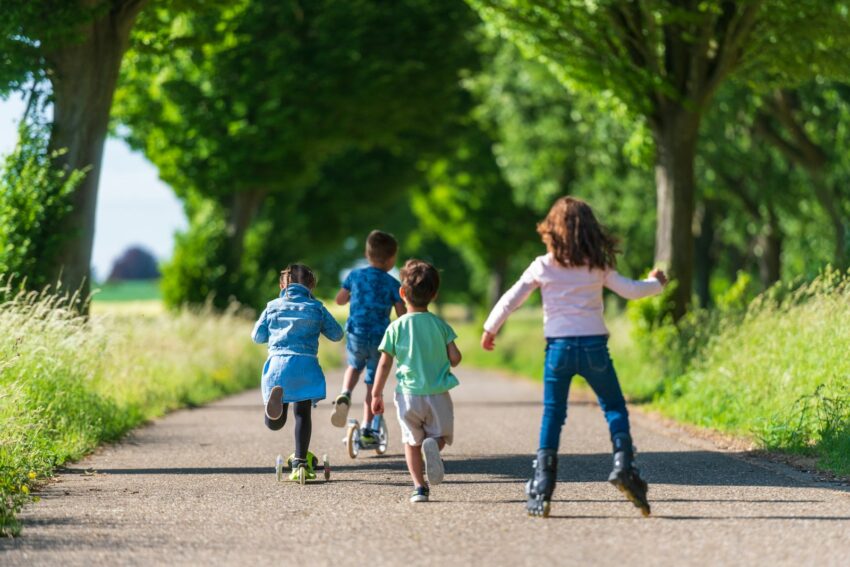
That does not mean children need a packed schedule. In fact, the transition into the school year can be a good time to find a few simple activities that keep kids moving without making the family calendar feel overwhelming.
Keep Some of the Summer Energy Going
Children do not need hours of structured exercise every day to stay active. Small opportunities to move can add up.
A walk after dinner, a quick game in the backyard, riding bikes around the neighborhood, or a trip to a local playground can provide a welcome break after a day at school.
The key is to make movement feel like part of everyday life rather than another task children have to complete.
Parents can also involve children in choosing activities. Ask what they enjoyed most during the summer and look for ways to continue those interests during the school year.
Find an Activity They Actually Enjoy
One of the easiest ways to keep kids active is to let them have a say in what they do.
Some children love organized sports. Others would rather dance, ride a bike, climb, swim, or explore outdoors. There is no single activity that works for every child.
Swimming, for example, can continue after summer through indoor pools and community programs. For children who enjoy being in the water, swimming lessons can provide a regular activity while helping them continue developing their skills.
The goal is not to find the most impressive activity. It is to find something a child looks forward to doing.
Think Beyond Organized Sports
Sports are a great option, but they are not the only way for children to stay active.
Families can look for activities that involve movement without the structure of a traditional team. Hiking, skating, martial arts, dance, gymnastics, playground visits, and family bike rides can all add variety to a child’s routine.
Even simple household activities can get children moving. Younger kids can help with gardening, tidying toys, carrying light items, or setting up an outdoor game.
These activities may not feel like exercise to children, which is part of their appeal.
Make Weekends More Active
Weekdays can be difficult when everyone has somewhere to be. Weekends offer more flexibility.
Instead of filling every weekend with errands, try setting aside some time for an activity that gets the family moving. Visit a new playground, take a nature walk, explore a local trail, go bowling, visit a recreation center, or spend an afternoon at an indoor pool when the weather is poor.
You do not need to plan something elaborate every weekend. Having a few go-to activities can make it easier to get everyone out of the house.
Use Screen Time as a Balance, Not a Battle
Once school starts, children may want to relax with a tablet, television, or video game after a long day. Screen time does not have to become a constant argument.
Instead of banning screens, parents can create a rhythm that includes both downtime and movement.
For example, children might have some time to relax after school, finish homework, and then head outside or attend an activity before dinner. On particularly busy days, even a short walk or quick game can provide a break from sitting.
The goal is to create balance rather than make children feel that every free moment needs to be productive.
Do Not Overload the Calendar
September can tempt parents to sign children up for everything at once.
There are sports teams, music classes, clubs, art programs, swimming, tutoring, and other activities competing for space on the calendar. While extracurricular activities can be valuable, too many commitments can leave children with little time to simply play and rest.
Choose activities based on the child’s interests and the family’s actual schedule.
It is perfectly fine to start with one activity and see how it goes before adding another. Children may also need time to adjust to the school routine before taking on additional commitments.
Turn Family Time Into Active Time
Parents do not always need to organize a separate activity for children. Sometimes the easiest solution is to make family time more active.
Take a walk together after dinner. Play catch in the yard. Go for a weekend bike ride. Put on music and have a family dance session in the living room. Visit a local park instead of spending the entire afternoon at home.
These small moments can become habits without requiring much planning.
They also give parents and children an opportunity to spend time together without the pressure of a structured class.
Let Kids Have Some Unstructured Time
Keeping children active does not mean keeping them busy all the time.
Unstructured play is important too. Give children the opportunity to decide what they want to do, create their own games, explore outside, or simply spend time playing with siblings or friends.
A child who spends an afternoon inventing a backyard obstacle course may be getting plenty of physical activity without realizing it.
Leaving some space in the schedule also gives children a chance to rest after the demands of school.
Make Activity a Routine
Children often find routines easier to follow when they know what to expect.
A short walk after dinner on certain days, a weekend bike ride, or a regular class can become something the family naturally works into the week.
The routine does not have to be complicated. Consistency matters more than having a perfect schedule.
As the school year progresses, families can adjust the routine based on weather, homework, school events, and the child’s changing interests.
Keep the Focus on Enjoyment
The transition from summer to school does not mean children have to give up the activities they enjoy. It may simply require finding new ways to fit movement into a busier routine.
The best activity is often the one a child enjoys enough to keep doing. It could be a sport, swimming, dancing, biking, hiking, or simply playing outside with friends.
Rather than trying to fill every afternoon, look for a few activities that bring movement, enjoyment, and a break from the school routine. With a little flexibility, families can carry some of that summer energy into fall without adding unnecessary stress to the calendar.