
Your roof does a lot more than sit there looking responsible. It protects your home from leaks, heat, mold, pests, and repair bills that can spiral fast.
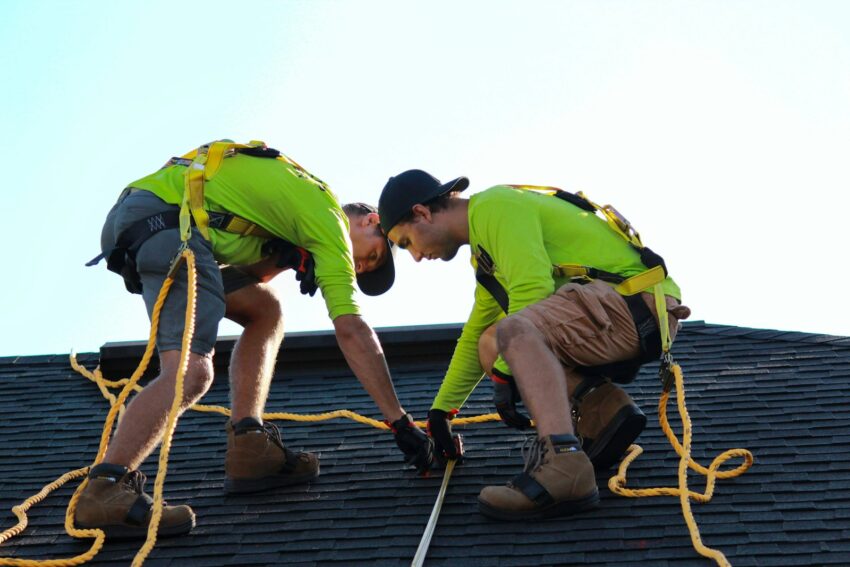
If you’re trying to choose a roofer, the process can feel simple at first, then oddly murky once quotes, warranties, and storm damage claims enter the chat. A smart decision comes from knowing what to look for before anyone climbs a ladder.
Know What Kind of Roofing Help You Actually Need
Before you call anyone, get clear on the job. A missing shingle after heavy wind is different from a full roof replacement. So is a slow leak near a chimney versus sagging decking or repeated water stains in the attic.
Start with a basic checklist:
- Age of the roof
- Visible damage from the ground
- Interior signs like stains or mold smell
- Recent storm exposure
- Whether the issue is isolated or widespread
Once you know what you’re dealing with, the next question is who handles it. For anything tied to storm damage, hail, or wind, hiring a local roofer is usually the better call, since crews working in your area already know the weather patterns, the material failures that come with them, and how insurance claims tend to play out.
That kind of context matters. A roofer who deals with your climate regularly won’t act surprised when flashing fails after a rough storm season.
Check Licensing, Insurance, and Real-World Credibility
A nice website and a polished truck don’t prove much on their own. You want evidence that the company is legally operating, properly insured, and trusted by actual customers who had similar work done.
Ask for these details up front:
- Business license, if required in your area
- General liability insurance
- Workers’ compensation coverage
- Manufacturer certifications
- Recent local references
Then look beyond testimonials posted on their site. Check Google reviews, Better Business Bureau listings, and third-party platforms where people tend to be less filtered and more honest.
Pay attention to patterns, not just star ratings. One bad review might be noise. Ten complaints about poor cleanup, surprise costs, or no-show crews are a giant blinking warning light.
A reputable roofer should also be comfortable answering direct questions without getting weirdly defensive.
Compare Quotes Like a Homeowner, Not a Gambler
Getting three estimates is common advice, but the real value comes from comparing what’s inside them. Two quotes can have a similar total while covering very different work.
Look for specifics such as:
- Type and brand of shingles
- Underlayment details
- Flashing replacement
- Ventilation updates
- Tear-off versus overlay
- Cleanup and debris removal
- Warranty terms
If one quote is dramatically lower, don’t celebrate too early. Sometimes low bids leave out essentials, use cheaper materials, or rely on change orders later. That bargain can turn into a budget ambush.
Ask About Warranties, Timelines, and Communication
Roofing projects create stress when nobody explains what’s happening. Good contractors know that homeowners need clear expectations, not vague promises and disappearing acts.
Ask questions like:
- How long will the project take?
- What could delay it?
- Who supervises the crew?
- How will updates be shared?
- What warranty covers labor?
- What warranty comes from the manufacturer?
A material warranty only covers product defects. A workmanship warranty covers installation errors. You want to understand both, because shingles can be perfectly fine while the install goes sideways.
Communication matters just as much as craftsmanship. If a company is slow, evasive, or confusing before you sign, that usually won’t improve once the job begins. The sales pitch might sparkle, but the process can still wobble.
Understand Storm Damage, Insurance, and Paperwork
Roofing gets more complicated after hail or wind damage. Insurance may cover part or all of the repair, but only if the documentation is solid and the claim process is handled carefully.
A good roofer can often help by:
- Inspecting for storm-related damage
- Documenting affected areas with photos
- Explaining repair versus replacement issues
- Meeting with the adjuster when needed
- Providing a detailed scope of work
You still need to stay involved. Read what your insurer approves, ask questions about depreciation, and confirm whether code upgrades are included. Don’t assume every cost is magically handled because someone said, “Insurance should take care of it.” That sentence has launched many unpleasant surprises.
Be cautious with storm chasers who show up right after severe weather, pressure you to sign quickly, and seem to vanish once the neighborhood buzz dies down.
Watch for Red Flags Before You Sign Anything
Some roofing problems begin long before the first nail. Pressure tactics, sloppy paperwork, and vague pricing often signal trouble ahead.
Common warning signs include:
- Large upfront cash demands
- No physical business address
- Refusal to provide proof of insurance
- Contracts with missing details
- Verbal promises not written down
- Prices that expire in a few hours
Read the contract line by line. It should include materials, payment schedule, scope, warranty information, estimated timeline, and procedures for unexpected repairs.
You should also confirm who pulls permits if permits are required locally. If the answer gets fuzzy, keep your wallet in a defensive position.
A trustworthy roofer makes the paperwork feel organized, not like a scavenger hunt with financial consequences.
Make the Final Decision Based on Value, Not Just Price
The right roofer isn’t always the cheapest or the one with the flashiest pitch. You’re looking for a balance of skill, honesty, responsiveness, and solid materials. Think of it as risk management with shingles.
A strong final choice usually includes:
- Clear and itemized estimate
- Good communication from the start
- Verified insurance and credentials
- Positive local reputation
- Practical warranty coverage
- Confidence in how they handle problems
If a contractor explains things clearly, respects your questions, and gives you a detailed plan, you’re already in better shape than many homeowners who buy on instinct alone.
Your roof is one of the most expensive parts of your home to ignore and one of the most valuable parts to protect. Choose carefully, ask smart questions, and trust the company that treats the job like a long-term responsibility instead of a quick transaction.
A solid roof over your head should feel reassuring, not mysterious.