
Car accidents are stressful under any circumstances, but having your children in the car adds a completely different level of worry. Your first instinct is probably to turn around, check on everyone, and make sure your kids are okay.
Unfortunately, the minutes immediately following an accident can also be confusing. You may be trying to comfort a scared child while talking to another driver, figuring out where you are, and deciding whether anyone needs medical attention.
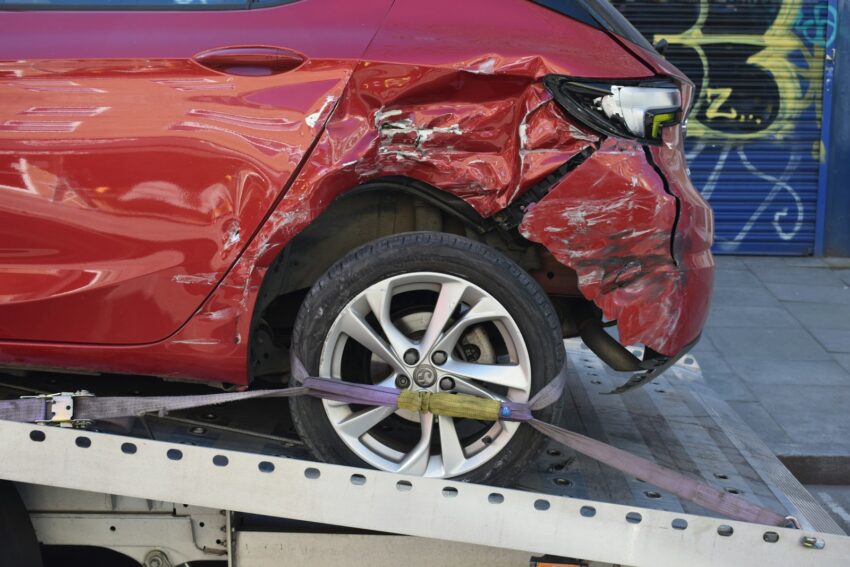
Knowing what to do ahead of time can make a difficult situation a little easier to manage. Here are some practical things parents should keep in mind if they’re ever involved in a car accident with their children.
Check Everyone for Injuries First
Before worrying about damage to the car, insurance information, or who caused the accident, check yourself and your children for injuries.
Call emergency services if anyone appears injured or if you’re unsure about the severity of an injury. Remember that children may not always be able to clearly explain what hurts, particularly when they’re frightened.
Unless remaining in the vehicle presents an immediate danger, avoid unnecessarily moving someone who appears seriously injured until emergency personnel arrive.
Get Somewhere Safe
If the accident is minor and the vehicle can safely be moved, getting out of active traffic may reduce the chance of another collision. Turn on your hazard lights and follow instructions from police or emergency personnel once they arrive.
With younger children, keeping everyone together and safely supervised can be challenging. If you have another responsible adult with you, having one person focus on the children while the other handles communication at the scene can make things much easier.
Have Children Checked After a Significant Accident
A child can look perfectly fine immediately after an accident and still develop symptoms later.
Depending on the severity of the crash and your child’s symptoms, medical professionals may recommend an evaluation. Pay attention to anything unusual after you return home, including persistent headaches, dizziness, vomiting, unusual sleepiness, changes in behavior, neck or back pain, or complaints of pain that weren’t present immediately after the accident.
When in doubt, contact your child’s healthcare provider for guidance.
Replace a Car Seat When Necessary
Parents should also inspect any car seats or booster seats involved in the collision.
Don’t assume a car seat is safe simply because it doesn’t have visible damage. Whether it needs to be replaced can depend on the type of seat, the manufacturer’s instructions, and the circumstances of the accident.
Check the manufacturer’s guidance for your specific seat before using it again. If replacement is necessary, keep your receipts and ask your auto insurer whether the replacement cost is covered under your policy or claim.
Document What Happened
Once everyone is safe and immediate medical concerns have been addressed, document as much as reasonably possible.
Take photos of the vehicles, visible damage, license plates, the roadway, traffic signals or signs, and the general accident scene. Exchange contact and insurance information with the other driver and write down the names and contact information of witnesses when possible.
Parents already have plenty to manage at the scene, so using your phone to photograph information rather than trying to remember everything can make the process easier.
It can also help to familiarize yourself with the typical steps parents take after a crash with kids in the car so you understand the practical and legal issues that can come up after an accident.
Keep Your Records Together
An accident can generate paperwork surprisingly quickly.
You might end up with a police report, insurance correspondence, medical bills, prescriptions, car-seat replacement receipts, repair estimates, towing charges, rental-car expenses, and other documents.
Create one folder—digital or physical—for everything associated with the accident. Even if the crash initially seems minor, having organized records can save a lot of frustration if questions arise later.
Pay Attention to How Your Kids Are Feeling
Physical injuries aren’t the only thing parents should watch for.
A frightening accident can make some children nervous about riding in a car again. Younger children may become unusually clingy, have trouble sleeping, or repeatedly talk about what happened. Older children might become anxious when passing the accident location or riding in similar traffic conditions.
Give them an opportunity to talk about the accident without forcing the conversation. Answer questions honestly in an age-appropriate way and remind them about the things your family does to stay safe in the car.
Returning to your family’s normal routine can also provide some reassurance.
If anxiety or behavioral changes continue or begin interfering with everyday life, consider discussing them with your child’s pediatrician or another qualified professional.
Prepare Before You Ever Need To
No parent wants to imagine being in a car accident with their children, but a little preparation can make emergencies easier.
Keep your insurance information accessible and make sure emergency contacts are updated on your phone. It’s also worth periodically checking that car seats and booster seats are installed correctly and appropriate for each child’s age, height, and weight.
A basic vehicle emergency kit can be useful too. Consider keeping a first-aid kit, flashlight, phone charger, bottled water, blankets, and a few kid-friendly essentials in the car.
Give Yourself Time to Get Back to Normal
Parents often feel pressure to immediately get everything back on schedule. There are school lessons to finish, meals to make, appointments to attend, and an endless list of normal responsibilities waiting at home.
After an accident, however, it’s okay for the routine to be a little messy for a while.
Focus first on everyone’s health and safety. Deal with insurance, repairs, and paperwork one piece at a time. Keep your children’s routines as consistent as reasonably possible, but don’t worry if schoolwork or other activities need to take a back seat for a few days.
The goal after a family car accident isn’t to handle everything perfectly. It’s to make sure everyone is safe, address problems as they arise, and gradually get family life back to normal.