
Nobody books an appointment the first time the shower drain looks worse than usual. They buy a different shampoo and decide it was a stressful month. That gap between noticing and acting is where most hair quietly disappears. People across Boston often arrive a year or two in, hoping to recover ground that has already closed over. Treatment is far better at defending what remains than at reviving what has gone.
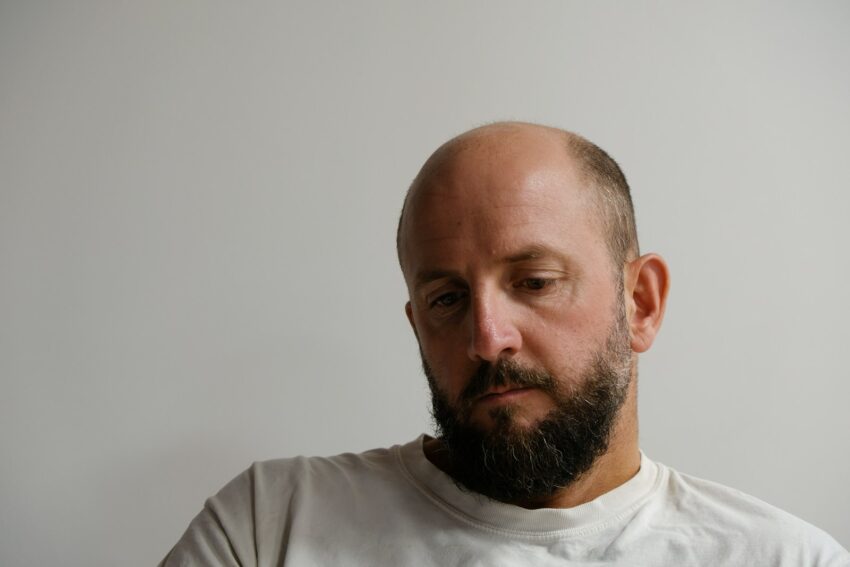
That is not a sales line. It is simply how the biology of a follicle works, and five practical things follow from it.
1. Follicles Fade Rather Than Fail
Hereditary hair loss does not switch anything off overnight. Each growth cycle simply produces a slightly finer, shorter hair than the one before it.
Throughout that stage the follicle is still alive and still capable of responding to treatment. Only after years of dormancy does the tissue close over for good, and at that stage no treatment currently available will reopen it. The change is measurable long before it becomes visible in the mirror, which is why specialists assess the thickness of individual hairs rather than counting what falls out.
Shedding around a hundred hairs a day is normal, so early changes are easy to dismiss. The clues worth noticing are quieter ones: a ponytail that feels thinner in your hand, or a part line that has widened over several months.
2. It Is Far More Common Than People Admit
Embarrassment keeps more people out of a clinic than cost ever does, and it is completely misplaced. The American Academy of Dermatology reports that hereditary hair loss affects an estimated 80 million Americans, roughly 50 million men and 30 million women. Female pattern loss is missed particularly often, because it thins the crown while leaving the front hairline exactly where it was.
With no obvious bald patch to point at, women are frequently told there is nothing wrong. It is worth asking for a proper examination anyway rather than accepting reassurance.
3. Live Roots Respond, Dormant Ones Do Not
Every approach available today, whether topical, oral or device-based, depends on follicles that are still functioning. That single fact is why timing dominates the whole conversation.
Seeing a Hair Loss Doctor Boston patients can reach quickly gives a specialist something to protect rather than something to rebuild, and it usually means a simpler plan overall. Clinics such as MediTresse + Northeast Hair Restoration work from what is still active on the scalp today rather than what was there five years ago. An appointment booked at the first sign of a widening part is a very different conversation from one booked a decade later.
The alternative is eighteen months spent working through serums, supplements and oils one at a time while the underlying cause carries on unchecked. Money spent on products is recoverable. Growth cycles lost while experimenting are not.
4. Testing Separates the Causes
Thinning can follow thyroid problems, low iron stores, hormonal change after pregnancy, rapid weight loss, certain medications or a serious illness several months earlier. A number of those causes reverse when they are caught early.
A proper assessment involves a magnified look at the scalp, a pull test, blood work and a careful history of the six months before the shedding started. Hair often reacts to an event long after the event itself has been forgotten, so that last question matters more than people expect.
Bringing a list of your medications, recent illnesses and any significant diet changes saves a great deal of guesswork. A treatment recommended without any testing at all is exactly that, a guess, however confident it sounds.
5. Delay Narrows Every Option
Someone who starts early frequently needs nothing more than maintenance. Someone who waits may end up considering a transplant, and even then the result depends on how much donor hair is left to work with.
Progress is also easier to trust when it is documented. Standardised photographs taken in the same light stop people abandoning a plan at month three, which is precisely the point where change is real but not yet obvious to the naked eye.
Scalp health deserves a mention too. Persistent flaking, itching or redness quietly interferes with growth, and tight braids or daily heat cause a separate kind of loss along the hairline that is entirely preventable once somebody points it out.
The Takeaway
Hair loss is one of the few problems where watching and waiting carries a measurable price. The follicles thinning right now are the ones most likely to respond to help.
If your part looks wider than it did last year, that observation alone is reason enough to have it examined. You are not overreacting, and you are certainly not unusual.
The appointment most people keep postponing tends to be the cheapest one they will ever book, and the earliest one is almost always the most useful.