
The hottest weeks of summer can make a backyard feel less like an extension of the home and more like a place to avoid. Even a well-designed outdoor space can become uncomfortable when afternoon sun, limited airflow, and poorly positioned furniture combine to trap heat. The good news is that a few thoughtful changes can make a significant difference.
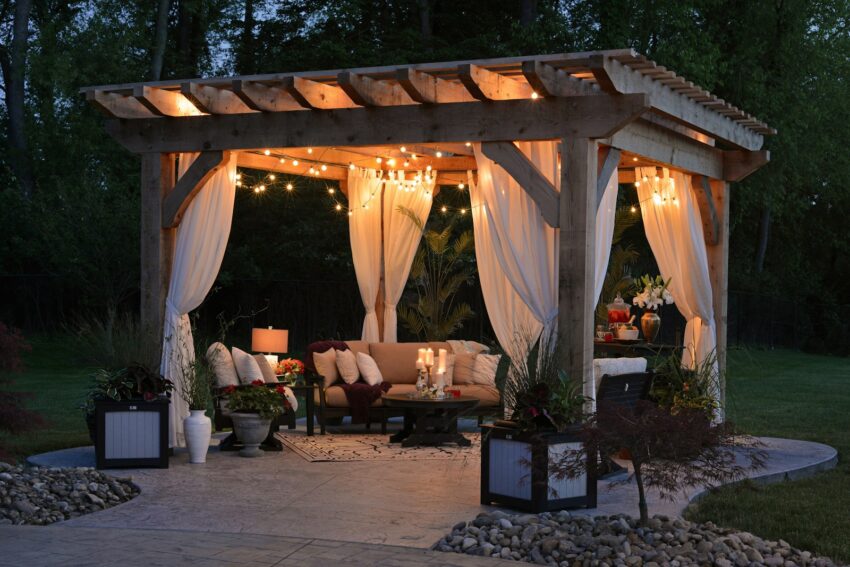
Understanding how shade moves across the yard is a useful starting point. From there, furniture placement, umbrellas, fans, landscaping, and permanent outdoor structures can help create cooler, more usable areas. For homeowners planning a more substantial upgrade, professional patio and deck services in Columbia can help create outdoor spaces around shade, airflow, and everyday needs.
Start With the Afternoon Sun
Morning shade can be misleading when planning a comfortable backyard. The afternoon sun is often stronger and can make patios, decks, and seating areas extremely hot. Spend time observing where direct sunlight falls between mid-afternoon and early evening.
Once these patterns are clear, place frequently used seating in naturally shaded areas whenever possible. If the yard has little existing shade, umbrellas, shade sails, or other coverings can provide immediate relief. Planning around the direction of sunlight can also help determine where a permanent deck or patio should be positioned.
Arrange Furniture for Airflow
Furniture placement affects more than appearance. Crowding chairs, tables, and outdoor accessories against walls or into enclosed corners can restrict airflow and make an area feel warmer.
Instead, leave enough space between furniture pieces to encourage natural breezes. Position seating where people can benefit from available airflow while still maintaining comfortable conversation areas. Lightweight furniture can also be moved as the sun changes throughout the season.
For larger backyards, creating separate zones can be especially effective. A dining area, lounge space, and shaded retreat can each serve a different purpose without forcing the entire yard into one arrangement.
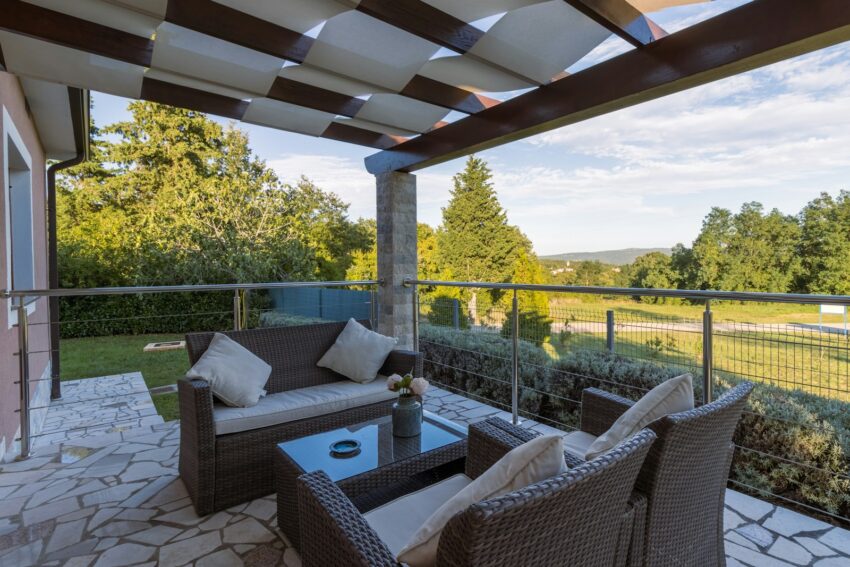
Use Fans and Umbrellas Strategically
Outdoor fans can make covered areas feel considerably more comfortable by keeping air moving. They are particularly useful on decks, covered patios, and other spaces where natural breezes may be limited.
Umbrellas offer another flexible solution. A large, adjustable umbrella can shade a dining table or seating area during the hottest part of the day and can be repositioned as the sun moves. Choose durable outdoor materials designed to withstand regular exposure to heat and weather.
The goal is not simply to add shade but to combine shade with airflow. A shaded area with stagnant air can still feel uncomfortable, while moving air beneath an umbrella or covered structure can create a much more pleasant environment.
Add Landscaping for Natural Cooling
Landscaping can improve summer comfort while making the backyard more attractive. Trees are especially valuable because they can provide broad, natural shade as they mature. Strategically planted shrubs and other vegetation can also help define cooler areas and reduce direct exposure.
When selecting plants, consider their mature size and the path of the sun. A tree planted in the right location can eventually shade a seating area during the hottest part of the afternoon without blocking useful winter sunlight.
Landscaping should also support airflow rather than completely enclosing the yard. Thoughtful spacing allows breezes to move through the property while still providing privacy and visual separation.
Design Permanent Outdoor Areas Around How You Live
Temporary solutions can make a noticeable difference, but a well-planned outdoor living area can provide comfort for many years. When designing a patio or deck, homeowners should consider where the family spends time, how the sun moves across the property, and where natural airflow is strongest.
A permanent structure can incorporate shade features, comfortable seating zones, lighting, and access to the home. These details make an outdoor area more practical rather than simply adding square footage.
The best backyard improvements are based on actual use. A family that regularly eats outdoors may prioritize a shaded dining area, while another household may benefit more from a lounge space designed for relaxing during warm evenings.
Conclusion
A comfortable backyard during the hottest weeks of summer depends on more than adding a single umbrella or moving a few chairs. Shade patterns, afternoon sun, airflow, landscaping, and furniture placement all influence whether an outdoor space feels inviting or overwhelming.
Start by observing how the yard changes throughout the day, particularly during the hottest afternoon hours. Then combine flexible solutions such as umbrellas and fans with thoughtful landscaping and furniture placement. For homeowners considering a larger investment, permanent patios and decks can be designed around the property’s sun exposure, airflow, and the way the household actually uses the space.
With careful planning, a backyard can remain functional and enjoyable even during the peak of summer heat.