
Math difficulties do not always announce themselves through a failing grade. A child may keep up through extra effort, memorize procedures without knowing why they work, or rely heavily on a parent for every homework assignment. Problems often become more visible when new lessons depend on skills from earlier units. By then, a small gap in number sense, fractions, multiplication, or algebra can affect several parts of the course at once.
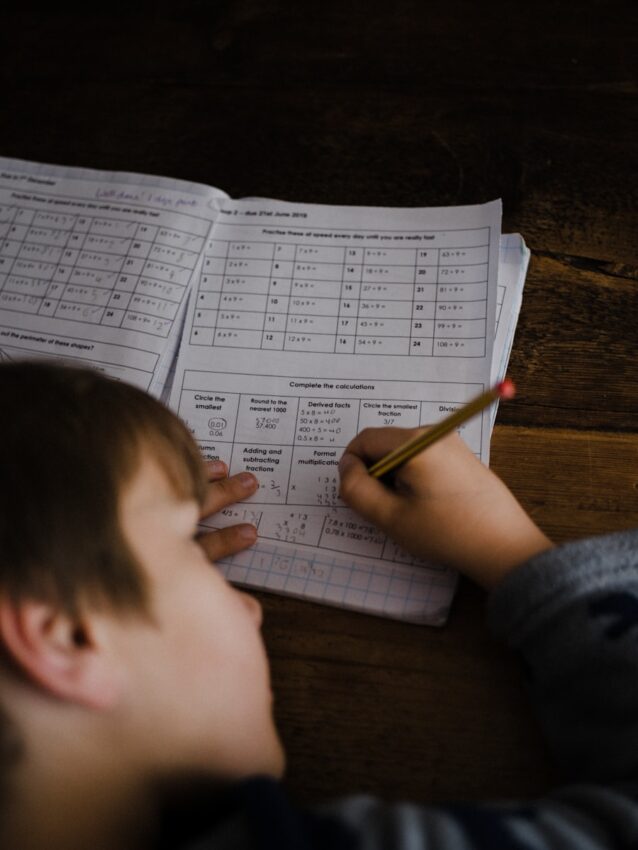
This guide draws on practical classroom principles and insights from expert maths tutors in Melbourne about the signs families can watch for before frustration becomes a regular part of school life. For some children, private tutoring can provide focused instruction that a busy classroom or homework routine cannot offer. The decision becomes easier when parents look at patterns over time rather than reacting to one difficult test or one bad week.
Look Beyond the Report Card
Grades provide useful information, but they can hide the amount of effort required to earn them. A child who receives a B may still spend two hours completing work that classmates finish in forty minutes. Another child may maintain decent scores because a parent explains most questions at home. Strong homework grades can also mask difficulties when classroom tests require the student to solve problems independently. Pay attention to the process behind the grade, not simply the letter or percentage that appears on the report.
Changes over time can reveal more than one isolated result. A student who usually performs well may suddenly struggle when the class moves from arithmetic into fractions, decimals, equations, geometry, or multi-step word problems. That shift can point to a missing earlier skill rather than a lack of effort. Repeated corrections from the teacher, unfinished classwork, falling quiz scores, and slower work speed give parents a clearer picture when they appear together.
Teacher feedback adds another useful perspective. Ask specific questions instead of asking only, “How is my child doing in math?” Find out which skills cause difficulty, how independently your child works, and how their pace compares with classroom expectations. Ask if the same errors keep appearing after correction. A teacher may also notice that your child avoids participating, copies procedures mechanically, or needs repeated prompts to begin. Those details can show that the problem extends beyond a single assignment.
Repeated Skill Gaps Usually Need More Than Extra Practice
Every student forgets a formula or makes careless mistakes. A larger concern appears when the child repeatedly struggles with skills that current lessons assume they already know. A middle school student may have trouble solving equations because multiplication facts remain slow and uncertain. A student working with percentages may get lost because fractions and decimals never became secure. More worksheets on the current chapter rarely fix a gap that began several units or school years earlier.
Watch how your child explains a solution. Students who have a firm grasp of a skill can usually describe what they did in simple language, even if they make a calculation error. A child who says, “I just did what the example did,” may rely on imitation rather than mathematical reasoning. Other warning signs include choosing operations at random in word problems, forgetting the same procedure from one day to the next, or becoming stuck as soon as a familiar question appears in a different format.
Targeted instruction can help identify the exact point where the chain breaks. Instead of repeating the entire curriculum, a skilled instructor can check prerequisite skills and work forward from the first significant gap. This approach often saves time because the student practices the skill that causes later problems rather than completing more work at the level that already feels confusing.
Homework Behavior Can Reveal Academic Strain
Homework often gives parents the first clear view of a developing problem. Notice how your child approaches math before looking at the answers. Long delays before starting, frequent requests for reassurance, constant checking after every step, or repeated statements such as “I can’t do this” can signal more than ordinary reluctance. A child may know that the assignment will expose skills they do not feel confident using alone.
The amount of help required also tells you something. Occasional explanation from a parent falls within normal homework support. A different pattern develops when you need to reteach most lessons, guide every problem, or stay beside your child throughout the assignment. At that point, homework no longer shows what the student can do independently. It also creates tension because parents must switch between caregiver and instructor roles at the end of an already busy day.
Avoid turning homework into a nightly test of persistence. If a child spends far longer than expected on routine work, record what causes the delay and share that information with the teacher. A short log for one or two weeks can be useful. Note the topic, approximate completion time, level of help needed, and types of errors that repeat. Patterns become much easier to spot when you have specific observations instead of a general sense that math has become difficult.
Confidence Changes Can Be an Early Warning Sign
Academic difficulty often affects the way children talk about their own ability. A student who once approached math calmly may begin saying that they are “bad at math” or that everyone else is smarter. Some children become unusually upset after small mistakes. Others stop volunteering answers because they fear getting something wrong in front of classmates. These reactions can appear before grades fall sharply.
Avoid treating confidence as a separate issue from skill development. If a child repeatedly encounters work that feels inaccessible, encouragement alone may not solve the problem. They need successful experiences with material at the right level. Breaking a difficult skill into manageable steps can help the student see progress that feels earned. Clear feedback also works better than broad praise. “You checked the denominator before adding those fractions” gives the child useful information about what they did successfully.
At the same time, outside instruction should not make a student feel punished for struggling. Scheduling excessive sessions after a full school day can increase resistance. The goal should be focused on help that reduces confusion and gradually increases independence. A productive session should leave the student more capable of approaching similar work alone, rather than dependent on someone explaining every next step.
Know When Home Help Has Reached Its Limit
Parents can support math learning in many useful ways. You can review multiplication facts, ask your child to explain their reasoning, practice calculations during everyday activities, or help organize a study schedule before a test. These efforts work well when the child already has enough knowledge to benefit from practice.
Problems arise when home support turns into daily reteaching. Modern math instruction may use methods that differ from those parents learned at school, and explaining an alternative method can sometimes create additional confusion. Family relationships can also make instruction harder. A child who accepts corrections calmly from a teacher may become frustrated when a parent points out the same error. The parent may then become frustrated too, even when both people started with good intentions.
Outside help becomes a sensible option when the same difficulty continues despite reasonable practice and teacher support. It can also help when your child needs preparation for a demanding course, has missed substantial class time, or needs a quieter setting to ask questions. Starting before a major exam or before the end of the school year gives the instructor more opportunity to repair gaps without the pressure of an immediate deadline.
Choose Support Based on the Problem You Are Trying to Solve
Start by defining the problem as precisely as possible. “My child needs help with math” gives little direction. “My seventh grader can calculate with whole numbers but becomes confused when equations contain fractions” is far more useful. Bring recent tests, assignments, teacher comments, and examples of repeated errors to the first conversation with an instructor. Good support should respond to the student’s actual skill profile rather than automatically following a generic worksheet program.
Match the format to the child. One-to-one instruction can help students who need detailed explanations, have several gaps, or hesitate to ask questions in groups. Small-group instruction may work well for students who benefit from discussion and need help with a narrower set of skills. Some children respond well to online lessons, while others focus better when an instructor shares the same physical workspace. Session length and frequency should fit the student’s age, workload, and attention span.
Finally, define what progress should look like. Better grades may follow, but they should not provide the only measure. Look for shorter homework sessions, fewer repeated errors, more independent problem solving, stronger recall of earlier skills, and greater willingness to attempt unfamiliar questions. Ask the instructor what they are working on and why. Reassess after a reasonable period instead of continuing indefinitely without clear goals.
Outside math support works best when it addresses a recognizable need at the right time. One low score rarely calls for immediate intervention. A recurring pattern of confusion, excessive homework time, missing prerequisite skills, declining confidence, or heavy dependence on adult help deserves closer attention. Acting on those patterns early can give a child the targeted instruction needed to return to class with stronger skills and greater independence.