
Setting up a nursery feels overwhelming until you separate the items you touch every day from the ones that sit untouched in a corner. A newborn needs a safe place to sleep, a reliable spot for diaper changes, clothes within reach, and a comfortable chair for feeding. Most registries stretch far beyond that short list. This checklist covers the nursery essentials category by category, plus the items you can skip without regret.
What Are the Core Essentials for a Nursery?
Diaper changes set the daily rhythm of a nursery, and the smell they leave behind is what most parents notice first. Containing each used diaper at the source, instead of dropping it into an open bin, is the fix that holds up over months. Brands like Diaper Genie make a diaper trash can that clamps every diaper behind an odor-locking film, so the room stays fresh between empties. That one decision removes the nursery problem no amount of decor can cover.
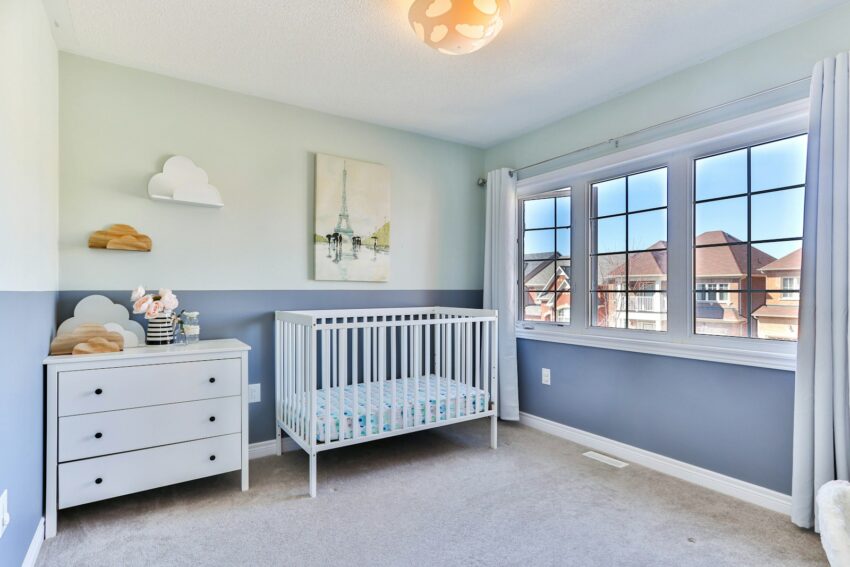
A working nursery comes down to 4 zones: sleep, diaper changes, storage, and feeding. Build those 4 zones first, then add comfort and decor once you know how you actually move around the room. Parents who start with decor almost always end up rearranging in the first month.
Which Items Are Non-Negotiable Before Baby Arrives?
These are the pieces you will use within hours of coming home:
- Crib and firm mattress with 2 or 3 fitted sheets
- Changing surface with a wipeable pad and a safety strap
- Diaper pail with odor-locking refills, placed beside the changing area
- Dresser or shelving for clothes, blankets, and backup supplies
- Soft light source you can operate with one hand during night changes
Everything on this list supports a routine that repeats 8 to 12 times a day, which is why quality matters more here than anywhere else in the room.
Which Items Can Wait Until After Birth?
Plenty of popular nursery purchases can wait. A glider, blackout curtains, a humidifier, a toy basket, and wall decor all sit outside the daily routine in the first weeks. Newborns sleep in short stretches and spend almost no time playing, so play mats and activity gyms stay in the box for a while. Waiting also lets you buy based on what your baby actually tolerates rather than on guesswork.
How Do You Build a Safe Sleep Space?
Sleep is the one nursery zone where the setup rules are strict. A safe sleep space is deliberately plain: a firm surface, a fitted sheet, and nothing else inside the crib.
What Crib and Mattress Do You Need?
A full-size crib that meets current safety standards is the default choice, and a mini crib works in a small room. The mattress must be firm and fit snugly, with no gap between the mattress edge and the crib frame. Skip crib bumpers, padded liners, and anything that adds softness to the sleep surface. If you plan to reuse a crib, confirm the model was never recalled and that all hardware is present and tight.
Which Bedding Items Are Safe for a Newborn?
Bedding for a newborn means fitted sheets and wearable blankets, nothing more. Loose blankets, pillows, and stuffed animals stay out of the crib until well past the first birthday. Sleep sacks and swaddles keep your baby warm without covering the face, and having 3 or 4 on hand covers the inevitable middle-of-the-night change. A waterproof mattress protector under the sheet saves the mattress from leaks.
What Do You Need for a Diaper Changing Station?
The changing station is the busiest square metre of the nursery. Set it up so that every item you need sits within one arm’s reach, because you will never leave your baby unattended on the pad to grab something.
Which Changing Surface Works Best in a Small Room?
A dresser topped with a contoured changing pad saves floor space and gives you drawers underneath, which makes it the most practical option in a tight room. Dedicated changing tables offer open shelves and easier access, but they lose their purpose once diapers are done. Wall-mounted fold-down stations work in very small rooms, and a portable pad on a bed covers travel and backup use. Whichever surface you choose, anchor it to the wall and use the safety strap.
How Many Diapers and Wipes Should You Stock?
Newborns run through roughly 8 to 12 diapers a day, so a single pack disappears fast. Stock 1 or 2 packs in newborn size and a larger supply in size 1, since most babies outgrow newborn sizing within weeks. Keep a bulk supply of unscented wipes in storage and 1 open pack at the changing station. Diaper cream, a small trash bin for wipes packaging, and a stack of burp cloths complete the setup.
How Do You Keep Diaper Odor Out of the Room?
Odor control is the difference between a nursery you want to sit in and one you rush out of. A regular open bin lets smells escape every time the lid moves, while a dedicated diaper pail traps used diapers behind a clamp and a multi-layer refill film that locks odor inside. Empty it every 2 to 3 days, wipe the interior walls clean when you change the refill, and keep the pail close to the changing pad so soiled diapers never sit on a surface. A small fan or a cracked window handles the rest.
Which Storage and Organization Items Keep a Nursery Functional?
Storage is what keeps the first 2 zones usable. Without it, clean laundry piles on the glider and diaper supplies migrate around the room.
How Much Clothing Storage Do You Actually Need?
One dresser with 3 or 4 drawers covers a newborn’s wardrobe with room to spare. Divide drawers by category rather than by outfit: sleepwear, bodysuits, socks and hats, and the next size up. Drawer dividers and small fabric bins keep tiny items from disappearing into the back. A short hanging rod is useful only if you receive dresses or jackets that wrinkle.
What Should Stay Within Arm’s Reach of the Changing Area?
Keep diapers, wipes, cream, a change of clothes, and a few cloths in the top drawer or on the shelf directly beside the pad. Restock that zone every evening so a 3 a.m. change never turns into a search. A wall hook for the diaper bag and a lidded laundry basket for soiled clothes keep the floor clear. Anything you use less than once a day belongs in a closet, not at the station.
What Feeding and Comfort Items Belong in the Nursery?
Feeding happens wherever you are comfortable, but a dedicated spot in the nursery makes night feeds calmer and shorter.
Do You Need a Nursing Chair or Glider?
You do not need a purpose-built glider, though you do need a supportive chair with armrests at the right height. Armrests carry most of the weight during long feeds, so test them with a cushion before buying. A footstool, a small side table for water and a phone, and a nursing pillow turn any armchair into a functional feeding station. If the room is small, a firm accent chair does the job for less.
Which Feeding Supplies Are Worth Keeping in the Room?
Keep a handful of burp cloths, 1 or 2 bottles if you plan to use them, and a water bottle for yourself within reach of the chair. Nursing pads, a hand pump, and storage bags belong in a small basket beside the seat rather than in the kitchen. Bottle warmers and sterilizers are easier to manage where you wash them, so leave those out of the nursery. A dim lamp on a nearby surface keeps night feeds from waking everyone.
Which Nursery Items Can You Skip?
Some nursery staples end up unused almost every time. Crib bumpers and decorative pillows are unsafe for infant sleep, so they never belong in the crib. Diaper stackers, wipe warmers, changing table hutches, and full bedding sets add cost without solving a daily problem. Newborn shoes, coordinated outfit sets, and large toys usually stay in the closet until they no longer fit.
Your Nursery Setup Checklist at a Glance
A complete nursery holds a safe crib with a firm mattress and fitted sheets, a stable changing surface with supplies within reach, a diaper pail that keeps odor contained, a dresser sized to real storage needs, and a comfortable chair for feeding. Build those 5 anchors before spending on anything decorative. Add the extras once you know how the room works at 3 a.m., because that is the hour that decides what a nursery really needs.
Frequently Asked Questions About Nursery Essentials
When Should You Start Setting Up the Nursery?
Most parents start between weeks 20 and 30 of pregnancy, which leaves time for delivery delays and assembly. Order the crib and dresser first, since furniture carries the longest lead times. The rest of the setup can be finished in a single weekend.
How Much Does It Cost to Set Up a Nursery?
Cost depends almost entirely on furniture choices. A crib, a mattress, a dresser, and a changing pad account for the bulk of the budget, while consumables such as diapers and wipes are a recurring monthly expense. Buying secondhand furniture, apart from the mattress, is the fastest way to cut the total.
Do You Need a Diaper Pail or Will a Regular Trash Can Work?
A regular bin holds diapers, but it releases odor every time the lid opens and it usually needs emptying daily. A diaper pail uses a clamp and odor-locking refills to keep smells contained between empties, so the room stays fresher with less effort. In a bedroom or a small space, the difference is noticeable within days.
Can You Set Up a Nursery in a Shared Bedroom?
Yes, and many families do it for the first months. Give your baby a separate safe sleep surface, keep the changing supplies in a compact caddy or on a dresser top, and place the diaper pail near the changing spot rather than by the bed. Blackout curtains and a white noise machine help both sleepers keep their own schedules.