
Living in West Seattle comes with views of Puget Sound, easy access to Alki Beach, and a neighborhood vibe that’s hard to beat. It also comes with salt air that quietly eats through metal fences faster than most homeowners expect. Metal fence corrosion West Seattle residents deal with isn’t a matter of if — it’s a matter of how soon.
This post explains exactly how coastal corrosion works, which metals fail fastest, and what materials and treatments actually hold up within a few miles of the water.
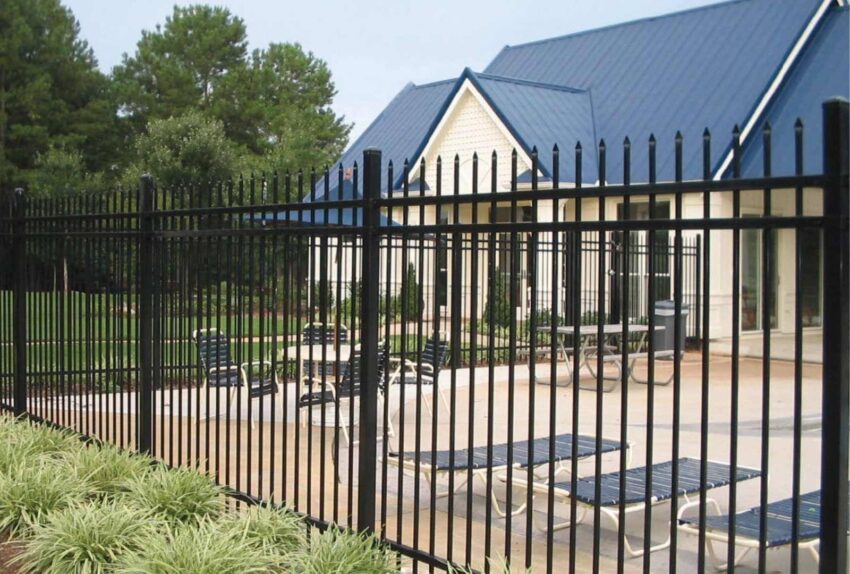
How Salt Air Attacks Metal Fences
Salt doesn’t have to touch your fence directly to cause damage. Puget Sound constantly releases salt-laden moisture into the air. Wind carries microscopic salt particles inland, depositing them on every outdoor surface — including your metal fence.
Once salt lands on metal, it creates an electrolyte layer that accelerates oxidation. Iron and steel rust faster. Aluminum develops pitting. Even galvanized coatings break down under sustained salt exposure. The damage compounds because Seattle’s wet climate keeps surfaces damp for months at a time, giving the salt a continuous moisture bridge to work through.
Distance From the Water Matters
Homes directly on Alki or along the bluff in West Seattle experience the most aggressive salt exposure. But corrosion doesn’t stop at the waterfront. Salt air affects properties up to two miles inland, depending on prevailing wind patterns and elevation.
Neighborhoods higher on the West Seattle peninsula get some protection from elevation, but they’re also more exposed to wind-driven salt spray during storms. Even homeowners in the Westwood and White Center areas — farther from the water — report faster-than-expected metal deterioration compared to inland neighborhoods like Capitol Hill or Shoreline.
Which Metals Fail First in West Seattle’s Coastal Air
Not all metals corrode at the same rate. Understanding the hierarchy of vulnerability helps you avoid expensive mistakes.
Untreated Steel and Iron
Plain carbon steel and wrought iron are the most vulnerable metals for fencing near salt water. Without protective coatings, these materials can show visible rust within months of installation in West Seattle. Within three to five years, structural damage starts — posts weaken at ground level, rails develop holes, and decorative elements crumble.
If you inherited a wrought iron fence with your West Seattle home, you’ve probably already seen this pattern. Rust stains on the concrete below fence posts are an early warning sign that the corrosion has penetrated beyond the surface.
Galvanized Steel
Galvanized steel has a zinc coating that protects the underlying steel from oxidation. In inland areas like Burien or Ballard, a galvanized fence can last 20 years or more. In West Seattle’s salt air, that zinc coating breaks down significantly faster.
Expect a standard hot-dipped galvanized fence to start showing signs of coating failure within 8 to 12 years near the coast. Once the zinc layer is compromised, the exposed steel underneath corrodes rapidly. You go from “it looks fine” to “it needs replacing” in just a couple of seasons.
Aluminum
Aluminum doesn’t rust the way steel does, which gives it a reputation as a corrosion-resistant metal. However, aluminum is susceptible to pitting corrosion in salt environments. Small pits form on the surface and deepen over time, eventually weakening the material.
Powder-coated aluminum performs better because the coating acts as a barrier between the salt air and the metal surface. But if the coating chips or scratches — from a lawn mower, a fallen branch, or even hail — the exposed aluminum beneath starts pitting immediately.
Signs Your Metal Fence Is Corroding
Metal fence corrosion West Seattle homeowners face often goes unnoticed until it’s advanced. Here’s what to watch for before minor surface damage becomes a structural problem.
Surface Rust and Discoloration
Orange or reddish-brown spots on steel or iron fencing are obvious signs. On aluminum, look for white powdery deposits or small dark pits. On galvanized steel, watch for areas where the shiny zinc coating has turned dull gray and rough — that’s the zinc layer failing.
Bubbling or Flaking Paint
If your metal fence is painted, bubbling paint indicates that corrosion is happening underneath the coating. The rust expands as it forms, pushing the paint away from the metal surface. By the time you see paint bubbles, the corrosion beneath is already significant.
Weakness at Ground Level
The base of fence posts is the most vulnerable point. Soil contact plus salt moisture creates an aggressive corrosion environment. Push on your fence posts — if they flex or feel soft at the base, corrosion has compromised the structural integrity. This is the point where metal fence corrosion in West Seattle goes from cosmetic concern to safety hazard.
Materials That Actually Hold Up Near the Coast
If you need to replace a corroded fence or you’re installing new fencing in West Seattle, material selection is the most important decision you’ll make.
Marine-Grade Aluminum
Marine-grade aluminum alloys (6061 or 6063 series) are specifically engineered for salt exposure. These alloys resist pitting far better than standard aluminum and maintain structural integrity for decades in coastal environments. Combined with a quality powder coat finish, marine-grade aluminum fencing can easily last 25 to 30 years in West Seattle.
Stainless Steel
Type 316 stainless steel contains molybdenum, which provides exceptional resistance to salt corrosion. It’s the same grade used in marine hardware and boat fittings. For fencing, stainless steel is primarily used in cable rail systems and modern panel designs. It’s expensive but essentially corrosion-proof in PNW coastal conditions.
Vinyl and Composite Fencing
Eliminating metal entirely is one way to avoid metal fence corrosion. Vinyl and composite fencing materials are completely immune to salt corrosion because they contain no metal components — with the exception of internal reinforcement in some products. For West Seattle homeowners tired of fighting rust, switching to a non-metallic fencing material can be the most practical long-term solution.
Western Red Cedar With Metal-Free Hardware
Cedar fencing with stainless steel or polymer fasteners avoids metal corrosion issues while providing a natural aesthetic. Cedar is naturally rot-resistant and handles Seattle’s wet climate well. The key is ensuring every piece of hardware — screws, brackets, hinges — is either stainless steel or non-metallic. One overlooked galvanized screw can create a rust stain that spreads across an entire fence panel.
Protecting Existing Metal Fences From Salt Damage
If your metal fence is still structurally sound but showing early corrosion, intervention now can extend its life significantly.
Professional Rust Treatment
Surface rust can be removed through wire brushing, sanding, or chemical rust converters. Once bare metal is exposed, applying a zinc-rich primer followed by a marine-grade topcoat creates a new protective barrier. This treatment can add five to ten years to a corroding fence when done properly.
The team at Contour Fence regularly handles metal fence assessments for West Seattle homeowners, determining whether a fence is a candidate for repair and recoating or whether replacement makes more financial sense.
Routine Maintenance Schedule
For metal fences near the coast, a twice-yearly maintenance routine makes a measurable difference. In spring, rinse the fence with fresh water to remove accumulated salt. Inspect for chips in the coating and touch up immediately with matching paint or primer. In fall, repeat the rinse and apply a light coat of protective wax or sealant to exposed metal surfaces before the wet season hits.
This sounds like a lot, but it takes a Saturday afternoon twice a year. Compare that to the cost of full fence replacement — which runs $3,000 to $8,000 for a typical West Seattle yard — and the math favors maintenance every time.
When Repair Makes Sense vs. When to Replace
Not every corroded fence needs full replacement. The decision comes down to how far the corrosion has progressed and where it’s located.
If corrosion is limited to surface rust on rails and pickets, repair and recoating is cost-effective. If posts are corroded at or below ground level, replacement is usually the better investment because post failure means the entire fence comes down.
A professional assessment takes the guesswork out of this decision. When homeowners across West Seattle, Ballard, and Shoreline call about corroding fences, scheduling a fence repair evaluation gives them a clear picture of what can be saved and what needs to go.
Planning for the Long Term in a Coastal Environment
West Seattle homeowners who think long-term about their fencing choices save thousands over a 20-year period. Spending more upfront on corrosion-resistant materials — marine-grade aluminum, stainless steel hardware, or non-metallic alternatives — eliminates the cycle of repair and replacement that budget metal fences demand in salt air.
Factor in Seattle’s rising property values and the growing focus on curb appeal in West Seattle’s competitive housing market. A fence that looks sharp year after year adds value. A rusting, corroded fence subtracts it. The investment in the right material pays dividends well beyond just keeping your property line secure.
Frequently Asked Questions
How fast does salt air corrode a metal fence in West Seattle?
Untreated steel or iron fences can show visible rust within a few months near the waterfront. Galvanized steel typically starts failing within 8 to 12 years. Metal fence corrosion West Seattle properties experience depends on distance from Puget Sound, elevation, and the specific metal and coatings used.
What is the most corrosion-resistant metal for fencing near salt water?
Type 316 stainless steel offers the best corrosion resistance for coastal fencing. Marine-grade aluminum alloys (6061 or 6063 series) with powder coating are also excellent and more affordable than stainless steel for full fence panels.
Can I repair a rusting metal fence or do I need to replace it?
If the rust is limited to the surface and the fence posts are still structurally sound, professional rust treatment and recoating can add five to ten years of life. If posts are corroded at ground level or structural components are weakened, full replacement is the safer and more cost-effective option.
Does distance from Puget Sound affect how fast my fence corrodes?
Yes. Homes within a quarter mile of the water experience the most aggressive corrosion. Salt air effects can reach up to two miles inland in West Seattle, but the rate of corrosion decreases significantly with distance. Wind exposure and elevation also influence how much salt your fence encounters.
What maintenance can I do to slow down corrosion on my metal fence?
Rinse your fence with fresh water twice a year — once in spring and once in fall — to remove salt deposits. Touch up any chips or scratches in the coating immediately to prevent moisture from reaching bare metal. Applying a marine-grade protective wax before winter provides an additional barrier against Seattle’s months of wet weather.