
If you own a home in Heber Valley, your exterior takes a relentless beating from the weather. The freeze-thaw cycles that define Utah’s mountain winters don’t just feel harsh — they’re physically destructive to stucco, siding, and nearly every exterior surface on your home. Water gets into tiny cracks during the day, freezes overnight, expands, and slowly tears materials apart from the inside out.
Exterior remodeling in Heber Valley isn’t primarily about curb appeal, though that matters too. It’s about choosing materials and installation methods that can survive hundreds of freeze-thaw cycles per year without failing. Here’s what homeowners in the area need to know before investing in an exterior upgrade.
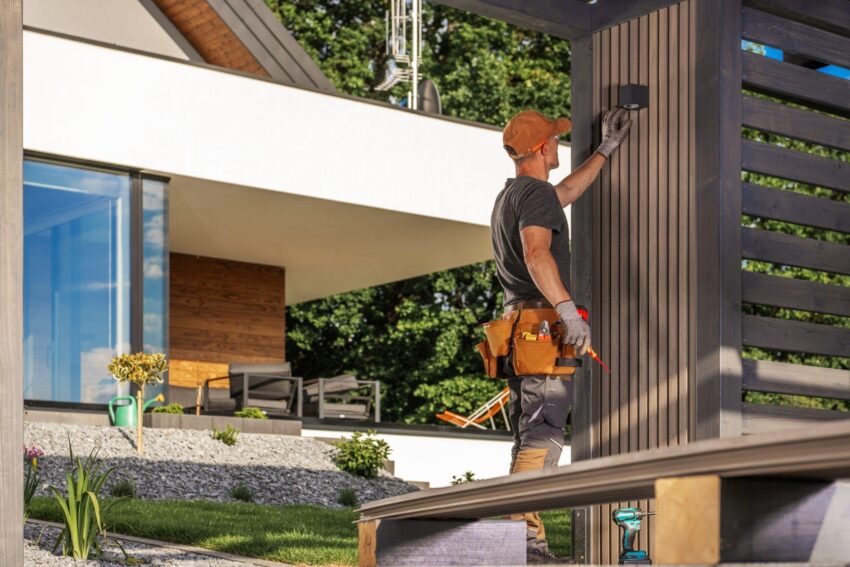
[IMAGE: A well-maintained home exterior with fiber cement siding set against a snowy Utah mountain backdrop — Source: Unsplash/Pexels — Alt text: exterior remodeling Heber Valley freeze-thaw resistant siding on a Utah mountain home]
Understanding Heber Valley’s Freeze-Thaw Problem
Heber Valley sits at roughly 5,600 feet, in a basin surrounded by mountains that funnels cold air downward at night. This creates dramatic daily temperature swings — it’s not unusual for a March day to hit 50 degrees by afternoon and drop below freezing by midnight. That single swing is one freeze-thaw cycle, and Heber Valley can experience well over 100 of them per winter season.
How Freeze-Thaw Damages Exteriors
The mechanism is simple but devastating. Moisture — from rain, snowmelt, or condensation — penetrates into small cracks, joints, or porous surfaces. When that moisture freezes, it expands by about nine percent. That expansion forces cracks wider. When it thaws, more water enters the now-larger crack. The cycle repeats, and within a few seasons, what started as a hairline crack becomes a structural problem.
Stucco is particularly vulnerable because it’s rigid and naturally develops micro-cracks during curing. Homes in Midway, Kamas, and throughout Summit County built with traditional stucco in the 1990s and 2000s are now showing significant freeze-thaw damage. Siding materials vary — some handle the cycles well, others fall apart.
Stucco in Heber Valley: Repair or Replace?
Stucco remains a popular exterior finish in Utah because it’s affordable, versatile, and fits the regional aesthetic. But traditional three-coat stucco has real limitations in freeze-thaw climates.
When to Repair
If the damage is limited to surface cracking with no underlying moisture intrusion, repair is usually the right call. A qualified contractor can route out cracks, apply flexible patching compound, and re-coat the affected area. The key word is “flexible” — rigid patches will crack again within a season. Elastomeric coatings that stretch and contract with temperature changes are essential for stucco repair in Heber Valley.
When to Replace
If you’re seeing widespread cracking, bubbling, or areas where stucco has separated from the substrate, patching won’t solve the problem. Water has gotten behind the stucco, and the sheathing or framing underneath may be compromised. In these cases, a full tear-off and replacement with a modern system is the better investment.
Consider upgrading to a one-coat stucco system with an integrated drainage plane. These systems include a gap between the stucco and the sheathing that allows any moisture that gets through to drain downward rather than sitting against the wall. For homes in Heber Valley and the surrounding Wasatch Back, this drainage detail is the single most important factor in long-term stucco performance.
Siding Options That Survive Utah Winters
If you’re moving away from stucco or building new, the siding material you choose will determine how much maintenance your exterior needs for the next 20 to 30 years. Here’s how the most common options perform in Heber Valley’s freeze-thaw environment.
Fiber Cement Siding
Fiber cement — most commonly known by the brand name James Hardie — is arguably the best all-around siding choice for Utah mountain homes. It’s made from a blend of cement, sand, and cellulose fibers, which makes it extremely durable against moisture, temperature swings, and UV exposure.
It doesn’t expand and contract like wood, won’t melt or warp like vinyl in extreme heat, and is non-combustible — a significant advantage in Utah where wildfire risk is part of the landscape. Fiber cement holds paint well and typically needs repainting every 10 to 15 years, even at altitude.
Most exterior remodeling projects across the Wasatch Back are specifying fiber cement as the primary siding material, and for good reason. It delivers the best combination of performance, aesthetics, and long-term value in mountain climates.
Engineered Wood Siding
Engineered wood products like LP SmartSide have improved significantly in recent years. They resist moisture better than natural wood and handle freeze-thaw cycles reasonably well when properly installed and painted. The look is warmer and more natural than fiber cement, which appeals to homeowners in Midway and Kamas who prefer a traditional mountain aesthetic.
The trade-off is maintenance. Engineered wood needs repainting every 7 to 10 years and requires careful caulking at joints to prevent moisture intrusion. In Heber Valley’s climate, any gap in the finish becomes an entry point for water — and the freeze-thaw cycle does the rest.
Natural Wood Siding
Cedar and redwood siding have deep roots in Utah mountain architecture. They look beautiful and weather to a silver-gray patina that many homeowners love. But natural wood is the highest-maintenance option in a freeze-thaw climate.
Wood absorbs moisture readily, and in Heber Valley’s daily temperature cycling, that moisture repeatedly freezes and thaws inside the wood fibers. Without annual staining or sealing, wood siding can deteriorate noticeably within five to seven years. For homeowners willing to invest in regular maintenance, it remains a valid choice. For everyone else, engineered alternatives deliver a similar look with less upkeep.
Vinyl Siding
Vinyl is the budget option, and in Heber Valley’s climate, it shows. While vinyl won’t rot or absorb moisture, it becomes brittle in extreme cold and can crack on impact during winter. It also expands significantly in summer heat, which can cause buckling and waviness if the installation doesn’t allow for adequate movement.
For homes in Park City and Lake City where aesthetics and durability expectations are higher, vinyl is rarely specified. It has a place in budget-conscious projects, but it’s not a material that performs well over time in mountain conditions.
The Details That Make or Break an Exterior Remodel
Material selection is only half the equation. How the exterior is installed determines whether it lasts five years or thirty in Heber Valley’s climate.
Flashing and Moisture Barriers
Every window, door, and penetration point needs proper flashing — metal or synthetic membranes that direct water away from the structure. In freeze-thaw climates, a single flashing failure can lead to thousands of dollars in hidden damage over just a few winters. This is the detail that separates quality exterior remodeling in Heber Valley from the kind that needs redoing in five years.
Caulking and Sealants
Standard caulk fails in mountain climates. It hardens, cracks, and pulls away from surfaces within a few seasons. Specify high-quality polyurethane or silicone sealants rated for temperature ranges of at least -20 to 150 degrees Fahrenheit. These flexible sealants move with the material through freeze-thaw cycles instead of cracking.
Paint and Finish Quality
At altitude, cheap exterior paint fades and chalks within two to three years. Premium acrylic latex paints with UV stabilizers are the standard for Summit County exteriors. They cost more per gallon but last significantly longer, which means fewer repainting cycles over the life of the siding.
When to Schedule Your Exterior Remodel
Timing matters for exterior work in Utah. The ideal window is late spring through early fall — May through September — when temperatures are consistently above 50 degrees. Paint, caulk, and stucco all need minimum temperatures to cure properly.
Avoid scheduling exterior work during Heber Valley’s monsoon season in late July and August if possible. Afternoon thunderstorms can delay work and compromise fresh applications of stucco or paint. Early June or September tend to offer the most reliable weather windows.
Renovation Brothers schedules exterior projects throughout the Wasatch Back with Utah’s weather patterns in mind. Their crews understand the timing, materials, and installation details that make exteriors last in Park City, Lake City, and Heber Valley — communities where the climate tests every home’s exterior, every single day.
Frequently Asked Questions
How do freeze-thaw cycles damage home exteriors in Heber Valley?
Water seeps into small cracks and porous surfaces in your exterior. When temperatures drop below freezing overnight, that water expands by about nine percent, forcing cracks wider. When it thaws, more water enters. Heber Valley experiences over 100 of these cycles per winter, which can turn minor cracks into major structural damage within a few seasons.
What is the best siding material for Heber Valley’s climate?
Fiber cement siding is the top choice for Heber Valley homes. It resists moisture, handles freeze-thaw cycles without cracking, and holds paint well at altitude. It’s also non-combustible, which is a significant advantage in areas with wildfire risk. Most exterior remodeling projects in Summit County are now specifying fiber cement as the primary siding material.
Should I repair or replace cracked stucco on my Heber Valley home?
If the cracking is limited to the surface without moisture behind the stucco, repair with flexible elastomeric patching is usually sufficient. If you see widespread cracking, bubbling, or separation from the wall, water has likely penetrated behind the stucco and a full replacement with a modern drainage-plane system is the better long-term investment.
How often does exterior siding need maintenance in Utah’s mountain climate?
Fiber cement siding needs repainting every 10 to 15 years. Engineered wood requires repainting every 7 to 10 years plus regular caulk maintenance. Natural wood siding needs annual staining or sealing to prevent freeze-thaw damage. Vinyl requires the least maintenance but becomes brittle and can crack in extreme cold.
What time of year is best for exterior remodeling in Heber Valley?
Late spring through early fall — May through September — offers the best conditions. Temperatures need to stay above 50 degrees for paint, caulk, and stucco to cure properly. Early June and September tend to provide the most reliable weather, avoiding late July’s afternoon thunderstorms. Avoid scheduling exterior work in winter when freeze-thaw cycles are most active.