
Moving far from your home in Tampa can feel like trying to juggle boxes, snacks, and emotions all at once. It’s exciting, sure, but it can also turn your brain into a junk drawer. The good news is that a long-distance move doesn’t have to become a full-blown family circus. If you break it into simple steps and focus on what matters most, you can make the whole thing feel a lot more manageable and a lot less messy.
Start with a plan
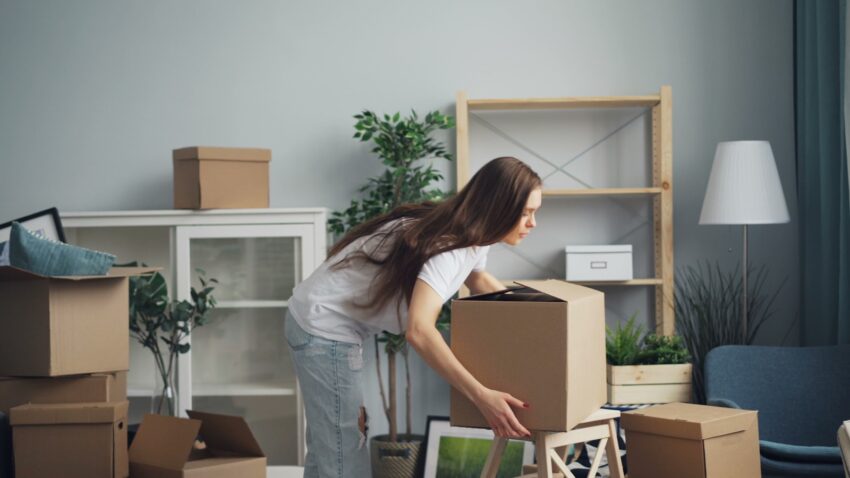
A long-distance move goes better when you give yourself a real plan instead of relying on hope and sticky notes. Start with a moving date, then work backward week by week. That helps you see what needs to happen first and what can wait.
One big early decision is choosing the right moving help. The best way to ensure the process is hassle-free is to get in touch with long distance movers in Tampa. Get estimates, share your plans, and then start the process.
Declutter before packing
Packing is hard enough without hauling things you don’t even like. Before you tape a single box, walk through your home and get honest. If you forgot you owned it, there’s a good chance you don’t need to move it.
Start with easy wins. Go through clothes your kids outgrew, extra coffee mugs, duplicate spatulas, and random bins from closets or the garage. Those mystery cords from 2014 can probably stop traveling with you now.
Decluttering helps in three ways:
- You pack less
- You pay less to move
- You unpack less later
That’s a rare triple win. Donate usable items, toss what’s broken, and set aside things to sell if you have time. Don’t turn this into a six-week side hustle, though. If selling it creates more stress than value, let it go. Your future self will thank you while opening half as many boxes.
Pack by real life
A lot of people pack by room, which is fine, but packing by daily life often works better. Think about how your family actually functions. What do you need for mornings, meals, bedtime, school, and work during the first few days?
Create one essentials box for each person. Include a few outfits, toiletries, chargers, medications, and comfort items. For kids, that may mean pajamas, favorite stuffed animals, and the cup they insist tastes different than every other cup. For pets, pack food, bowls, and a leash where you can grab them fast.
You can also group boxes by purpose instead of just location. A “first breakfast” box with paper towels, cereal bowls, coffee supplies, and spoons will feel like a gift when you wake up surrounded by cardboard.
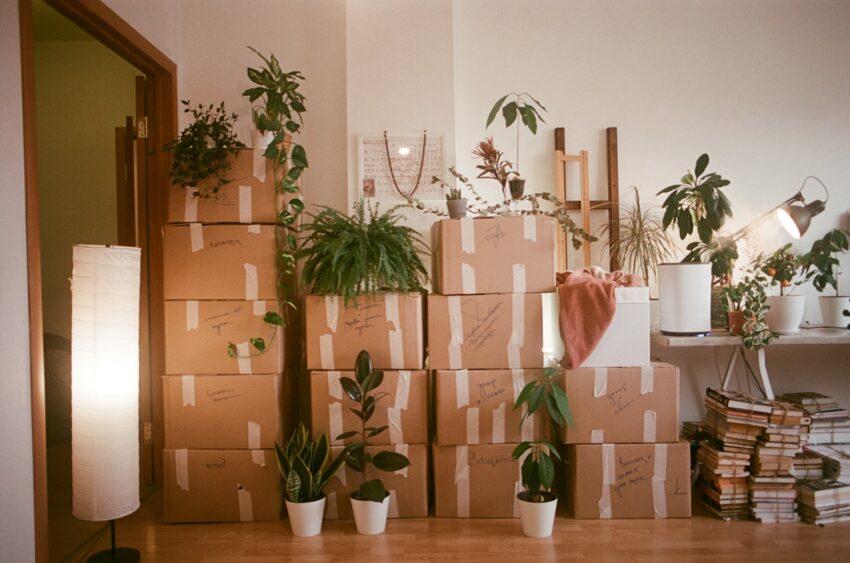
Label clearly and keep it simple. Use words that make sense at a glance. “Main bedroom bedtime stuff” beats “miscellaneous linens” every single time.
Budget for the extras
Most people remember to budget for movers or a truck. Fewer people remember the sneaky little costs that pile up along the way. That’s where moving budgets often wobble.
Besides transportation, think about boxes, tape, bubble wrap, and mattress covers. Then add utility deposits, cleaning supplies, gas, hotel stays, and all the random food you buy because your kitchen is packed. Moving has a funny way of turning granola bars into a major expense.
A simple budget should include:
- Moving company or truck
- Packing materials
- Travel costs
- Utility setup fees
- Cleaning and basic home supplies
- Small emergency cushion
That last one matters. Something always pops up. Maybe you need new curtains, maybe someone loses a charger, maybe your new place needs shower rods right away. A little buffer keeps those surprises from feeling like disasters. The goal isn’t perfect spending. It’s avoiding that awful “why is everything suddenly expensive?” moment.
Help kids adjust early
Kids don’t always say they’re worried, but you’ll often see it in small ways. They may get clingy, cranky, or deeply upset that their sock drawer changed location. Big moves can feel huge to them because, well, they are.
Talk about the move early and keep the conversation simple. Tell them what’s happening, when it’s happening, and what will stay the same. If they know their bedtime routine, favorite toys, and family habits are coming too, the change feels less scary.
Let them help in small ways. They can choose which toys travel in the car, decorate moving boxes, or help pack their bookshelf. That sense of control matters.
If possible, show them pictures of the new home or neighborhood. Point out fun details like a bigger backyard, a nearby park, or a cozy reading corner in the new room. You’re not trying to sell a fairy tale. You’re helping them imagine life on the other side of the move.
Make moving day smoother
Moving day will probably be loud, busy, and a little weird. That’s normal. The goal is not perfection. The goal is fewer avoidable problems and less panic.
Wear comfortable clothes and shoes you can actually move in. Keep a small bag with important documents, medications, snacks, water, phone chargers, and anything you absolutely cannot lose. Do not bury that bag in a sea of identical totes. That’s how legends of missing birth certificates begin.
If you have kids or pets, make a plan for them before the chaos starts. Sometimes it helps to have one adult focus on them while the other handles movers and last-minute home checks.
Do one final walk-through before leaving. Open cabinets, check drawers, and look behind doors. Peek in the washer and dryer too. Those spots love to hide forgotten things. Expect one or two hiccups and keep your sense of humor handy. A calm attitude can rescue the day faster than a perfect checklist.
Settle in without pressure
Once you arrive, resist the urge to make the whole house perfect in one day. That’s a fast track to frustration and sore feet. Focus on the spaces that make everyday life easier first.
Set up beds, bathrooms, and the kitchen basics. If those three areas work, your home will already feel more livable. After that, unpack what supports your family’s routine, like school supplies, work gear, and laundry essentials.
Try to create comfort quickly. Put out familiar blankets, hang a few favorite clothes, and make one corner feel finished. Small touches help a new place stop feeling like a storage unit with plumbing.
Give yourself a week before judging everything. New homes take time to learn. So do new neighborhoods, schools, and grocery store layouts. You don’t need to love every detail right away. You just need a steady start. Bit by bit, box by box, the unfamiliar begins to feel like home.