
Windows are easy to ignore until they create daily annoyances. A draft near the sofa, traffic noise indoors, or a window that refuses to open can make them impossible to overlook. Whether you own a home in Pomona or another community, windows do far more than fill wall space. They influence light, comfort, airflow, energy use, and how your home looks inside and out. The encouraging part is that improving them does not have to feel overwhelming. Even modest upgrades can make a home brighter, quieter, and more comfortable all year.
Why Windows Matter
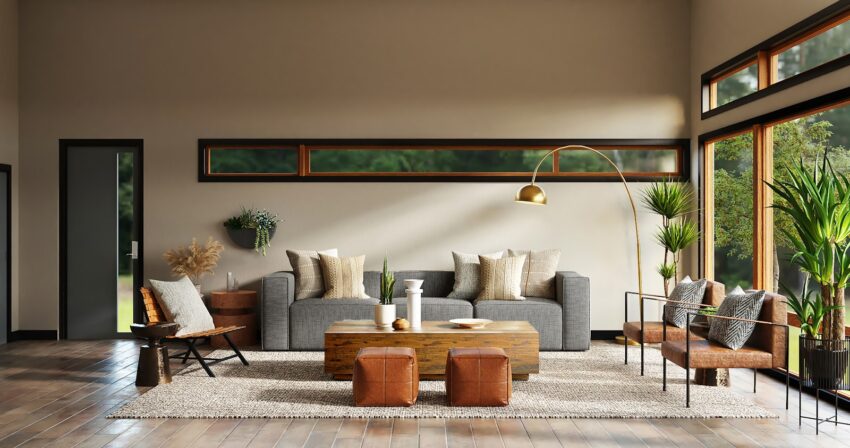
Windows shape how a home feels every day. They bring in sunlight, frame outdoor views, and help rooms feel open rather than boxed in. A bright kitchen can make mornings feel more cheerful, while a sunlit living room often seems larger and more welcoming.
They also affect indoor temperature. Older windows may leak air, allow too much heat inside, or let warmth escape when temperatures drop. The result can be uneven comfort, with one room too warm and another too cold. Over time, those problems can raise utility bills and make ordinary spaces less pleasant to use.
If you are starting to notice these issues, it helps to review window styles, frame materials, and services such as window installation in Pomona before choosing an update that improves both appearance and function.
Signs It’s Time for an Upgrade
Window problems usually develop slowly. Rather than failing all at once, they show up as small frustrations that become harder to ignore. You may feel a draft near the glass, hear more outdoor noise than before, or notice rising energy bills without another clear cause. These are common signs that windows are no longer performing well.
Operation is another clue. If a window sticks, refuses to stay open, or takes too much force to close, the frame or hardware may be worn. Condensation trapped between panes is also important to notice because it often signals a broken seal, which reduces insulation.
Appearance matters too. Worn or outdated windows can make the entire home look older. If they are difficult to clean, awkward to use, or no longer fit your family’s needs, replacement may be worth considering. Many homeowners first recognize these issues during everyday moments, such as cooling a bedroom, cleaning glass, or trying to relax in the evening without outside noise.
Light Changes Everything
One of the clearest benefits of better windows is improved natural light. Bright rooms tend to feel fresher, more spacious, and more pleasant, even when nothing else in the room changes. In kitchens, extra daylight can make early routines feel more energized. In living areas, it creates a calm and inviting setting for family time or quiet afternoons.
Bedrooms benefit as well. Gentle morning light can make waking up easier, and a brighter room during the day often feels cleaner and more peaceful. In busy households, that small shift can improve the mood of the daily routine.
Natural light can also support productivity and well-being. If you work from home or children study at the table, daylight can make a room feel less confining and more comfortable for long stretches of time. Indoor plants often benefit too, so better windows may help greenery thrive where it once struggled.
Comfort Through the Seasons
Updated windows help a home respond better to changing weather. In warmer months, efficient windows reduce the amount of heat entering the house, which can help rooms stay cooler and reduce strain on the air conditioner. This is especially useful in spaces exposed to strong afternoon sun.
During cooler months, improved insulation helps keep warm air indoors. That means fewer chilly spots near the glass and more even temperatures throughout the home. You are less likely to avoid a favorite chair, reading corner, or dining spot because it feels uncomfortable.
Ventilation is another advantage. Windows that open and close smoothly make it easier to let in fresh air when the weather is pleasant. That simple control can reduce stuffiness, improve airflow, and make the whole home feel more balanced.
Style That Feels Fresh
A window upgrade should improve appearance as well as performance. The right style can refresh curb appeal and give the house a cleaner, more finished look. Simple lines often suit modern homes, while traditional styles may work better with older architecture. The goal is not to chase trends, but to choose something that fits the home and still looks right years from now.
Practical design decisions matter just as much. In bathrooms or street-facing bedrooms, privacy may be a top priority, so glass type and placement deserve careful attention. If easy cleaning is important, some window styles are far more convenient than others.
Household needs should guide the decision too. Families with children may value durable materials and safer designs. Older adults may prefer windows that are easy to open and maintain. A beautiful window adds value, but one that also supports daily life is the better long-term investment.
Budget-Friendly Planning Tips
A window project often feels more manageable when done in stages. Replacing every window at once is not always necessary. Many homeowners start with the rooms causing the most discomfort, such as a drafty kitchen, a noisy front room, or a hot upstairs bedroom.
When comparing options, focus on practical questions instead of marketing language. How well does the window insulate? Is it easy to clean? What warranty is included? How long is it expected to last? Clear answers to these basics are usually more useful than flashy claims.
It is also wise not to choose solely based on the lowest price. A cheaper window may cost more over time if it performs poorly or wears out quickly. Looking at durability, energy savings, maintenance needs, and everyday comfort often leads to a smarter investment.
Getting Ready at Home
Once installation is scheduled, a little preparation can make the process much smoother. Clear the area around each window so installers can work safely and efficiently. Move small furniture, lamps, wall decorations, and fragile items away from the workspace.
It also helps to plan for children and pets. Home projects naturally attract attention, but keeping kids and animals away from work areas makes the day safer and less stressful for everyone.
Expect some dust and noise during installation. If you work from home, consider setting up in a quieter part of the house or arranging to be out for part of the day. Keeping expectations flexible can make the experience easier and help the project move along with fewer interruptions.