
Holiday lighting has become more than a seasonal tradition. Across the United States, homeowners are looking for creative ways to highlight their properties while maintaining safety, energy efficiency, and visual appeal. As lighting technology continues to evolve, professionally planned displays are replacing the outdated approach of tangled wires, uneven spacing, and time-consuming installations.
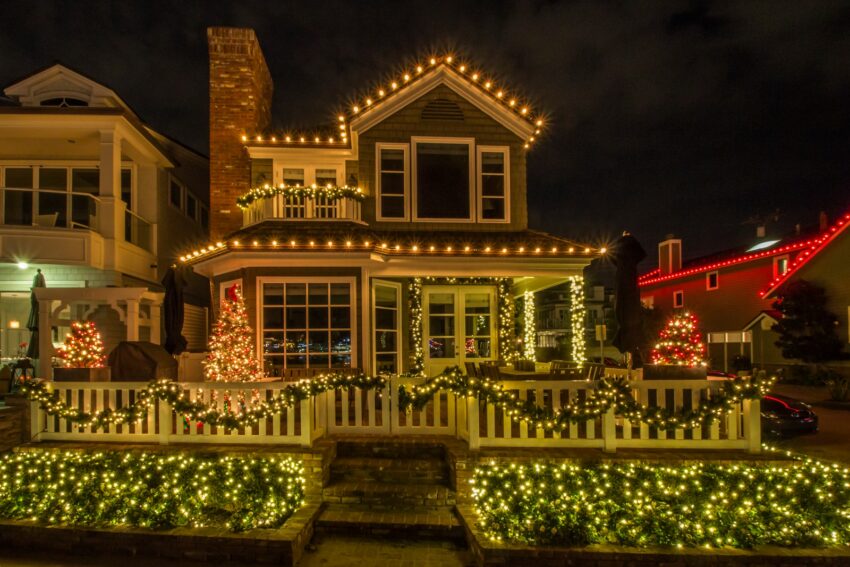
One of the biggest challenges homeowners face is creating a display that looks polished without risking damage to roofing, gutters, or landscaping. Careful planning, quality materials, and proper installation techniques all contribute to a display that performs reliably throughout the holiday season. Understanding these factors helps homeowners make informed decisions and enjoy decorations that enhance their property’s appearance while reducing unnecessary maintenance and safety concerns.
The Importance of Planning Before Holiday Light Installation
Every successful holiday lighting project begins with thoughtful planning rather than simply purchasing strands of lights and placing them wherever space is available. Rooflines, windows, trees, pathways, and architectural features each require different lighting techniques to create a balanced appearance.
Professionals typically evaluate the home’s structure before recommending a lighting layout. They consider roof angles, electrical access, color consistency, and overall design symmetry. This preparation reduces installation mistakes and creates a cleaner final result.
Many homeowners researching Christmas roofline light installation in Allentown discover that professional planning often includes custom measurements, secure attachment methods, and designs tailored specifically to the home’s architecture. Rather than relying on generic lighting layouts, customized planning produces displays that complement each property’s unique style while improving safety and durability.
Why Quality Materials Improve Long-Term Performance
Not all holiday lighting products are designed for outdoor use throughout an entire winter season. Weather conditions such as freezing temperatures, rain, snow, and wind place constant stress on electrical components and mounting hardware.
Commercial-grade LED lighting has become increasingly popular because it offers improved durability and lower energy consumption compared to older incandescent bulbs. These lights also maintain consistent brightness while generating significantly less heat.
Equally important are the clips, connectors, extension cords, and timers used during installation. Properly rated components help prevent loose connections, uneven lighting, and electrical hazards.
Investing in higher-quality materials often results in fewer maintenance issues throughout the season. Instead of replacing burned-out bulbs or repairing damaged wiring, homeowners benefit from reliable lighting systems that continue performing under changing weather conditions.
Safety Should Always Be the First Priority
Holiday decorating frequently involves climbing ladders, working on rooftops, and handling electrical equipment. These activities can present serious safety risks when performed without proper preparation or equipment.
Falls remain one of the most common causes of injuries during holiday decorating. Slippery roofs, unstable ladders, and poor weather conditions increase these risks considerably. Electrical hazards also become more likely when overloaded circuits or damaged extension cords are used.
Professional installers follow established safety procedures, use appropriate equipment, and understand how to secure lighting without damaging roofing materials or gutters. They also calculate electrical loads to ensure circuits operate safely throughout the season.
Beyond protecting individuals, proper installation techniques also help preserve the home’s exterior by avoiding unnecessary holes, broken shingles, or damaged trim that could require costly repairs later.
Modern Lighting Technology Continues to Evolve
Holiday lighting has changed dramatically over the past decade. Traditional incandescent bulbs are increasingly being replaced by energy-efficient LED systems that offer greater flexibility and longer operational life.
Smart lighting controls now allow homeowners to schedule displays automatically, adjust brightness levels, and create customized lighting sequences using mobile devices. Timers and programmable controllers also reduce unnecessary energy consumption by ensuring lights operate only during desired hours.
Color options have expanded significantly as well. Warm white displays remain a timeless choice, while RGB lighting systems allow seasonal customization for different holidays and celebrations throughout the year.
As technology continues advancing, homeowners can create visually impressive displays that require less maintenance, consume less electricity, and provide greater control over seasonal decorations than ever before.
Conclusion
Creating an attractive holiday lighting display involves much more than hanging strands of lights around a home. Careful planning, durable materials, safe installation practices, and modern lighting technology all contribute to professional-looking results that withstand changing winter conditions.
Whether decorating a modest residence or a larger property, thoughtful design helps highlight architectural features while improving overall curb appeal during the holiday season. At the same time, prioritizing safety and using quality components reduces maintenance concerns and supports reliable performance throughout the season.
As homeowners continue embracing more sophisticated lighting solutions, investing in proper planning and installation practices remains one of the most effective ways to create memorable holiday displays that combine beauty, efficiency, and long-term value.