
Booking a plastic surgery consultation can feel like stepping into unfamiliar territory. You have questions. You’re probably a little nervous. And somewhere in the back of your mind, you’re wondering if the surgeon will actually listen or just try to sell you on the most expensive procedure.
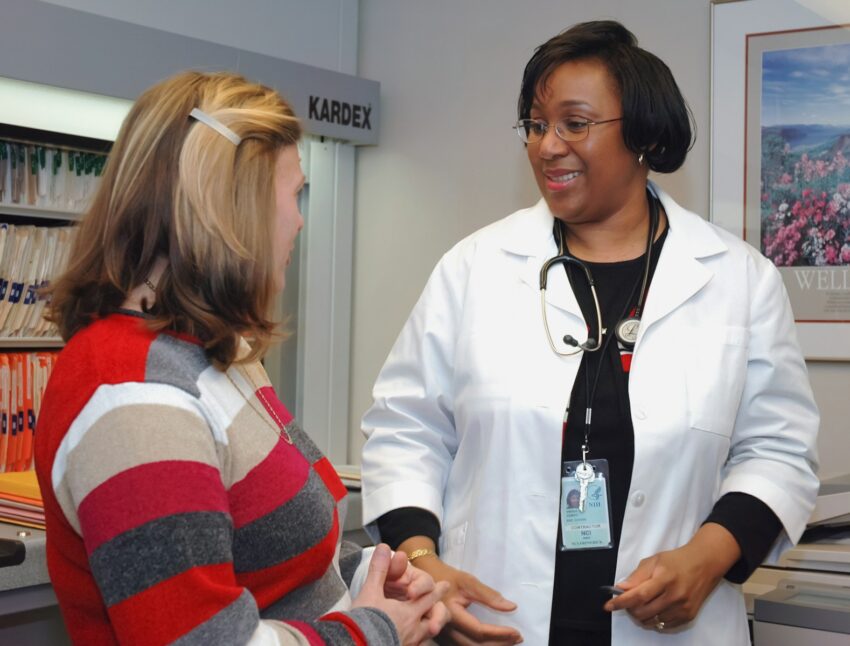
Whether you’re exploring options in Los Angeles or anywhere else, the truth is that a good consultation is not a sales pitch. It’s more like a conversation where both you and the surgeon figure out if there’s a good fit. Knowing what to expect going in can make a real difference in how confident you feel walking out. Here are five key insights to keep in mind.
1. It Starts With You Telling Your Story
The first thing that happens in most consultations is not the surgeon examining you. It’s them listening to you. They want to know what’s been bothering you, how long it’s been on your mind, and what outcome you’re hoping for. This part matters more than most people realize because it sets the tone for everything else.
Surgeons who take the time to really hear a patient’s concerns tend to deliver results that actually match what the patient wanted. Practices known for helping patients achieve natural-looking outcomes emphasize that a skilled top plastic surgeon in Los Angeles should be tailoring every plan to the individual’s anatomy and goals, not applying a one-size-fits-all approach. Practices that emphasize individualized patient care — such as those led by Dr. Steven Teitelbaum — often create results that feel thoughtful and tailored rather than one-size-fits-all. That level of personalized attention is usually reflected in the final outcome.
2. A Physical Examination Follows
After you’ve shared your concerns, the surgeon will do an examination that’s specific to the area you’re interested in. For a breast procedure, that means assessing tissue quality, skin elasticity, and overall structure. For a facial concern, they’re looking at bone structure, skin condition, and how different areas relate to each other.
This part isn’t uncomfortable. It’s clinical and focused. The surgeon uses what they see to figure out which techniques might work best for your specific anatomy. What we’ve seen described by patients is that this step is where things start to feel real. The surgeon can point out things you hadn’t noticed yourself, and they can also tell you honestly if your expectations are realistic or if they need to be adjusted.
3. The Surgeon Explains Your Options
Once the examination is done, the conversation shifts to options. The surgeon will typically walk you through one or more procedures that could address your concern, explain how each one works in plain terms, and tell you which approach they’d recommend and why. A good surgeon won’t just name a procedure. They’ll explain the trade-offs, too.
For example, someone interested in a breast lift might learn that their skin quality makes them a better candidate for one technique over another. Someone asking about a facelift might find out that a neck lift could actually address most of their concern. According to the American Society of Plastic Surgeons, cosmetic surgeries rose one percent in 2024 while minimally invasive procedures increased three percent, reflecting growing demand across the board. With more patients coming in each year, experienced surgeons have refined how they guide people through these decisions without overwhelming them.
4. Risk, Recovery, and Realistic Results Get Discussed Openly
This is the part that separates a thorough consultation from a rushed one. A surgeon who skips over risks or keeps recovery details vague is a red flag. A good consultation covers potential complications, what the healing process actually looks like week by week, and what kind of result is realistically achievable for your body type.
Patients are also usually shown before-and-after photos from past cases that are similar to their own situation. This gives you a much clearer picture than any description could. Recovery timelines vary by procedure, but the surgeon should give you specifics about downtime, activity restrictions, and when you’d expect to see final results. In practice, the consultations that leave patients feeling most prepared are the ones where nothing was glossed over.
5. You Get to Ask Everything on Your List
The consultation is your time. A good surgeon will leave room for your questions, and there are no silly ones. People ask about scarring, about whether results will look natural, about what happens if they’re not happy, about cost, about timing. All of that is fair game.
Globally, aesthetic procedures reached close to 38 million in 2024, a 40 percent increase from 2020, which means more people are going through this process than ever before. And most of them arrive to their consultations with a list of concerns they’re nervous to voice. The right surgeon will make it easy to ask those questions and will answer them without making you feel rushed. If you leave the appointment feeling like some of your questions went unanswered, that’s worth paying attention to.
One Last Thing Before You Go
A plastic surgery consultation isn’t something to rush into or treat lightly, but it also doesn’t have to feel scary. Think of it as a fact-finding appointment. You’re gathering information, getting a sense of the surgeon’s approach, and deciding if you trust them with something personal. The best consultations feel like real conversations. They leave you better informed, not pressured, and with a clear sense of whether moving forward makes sense for you.