
An outdoor fire table adds warmth and comfort to a patio or backyard. However, it needs steady care to stay safe and work as it should. Many people install one for simple use, yet they often overlook the basic upkeep that keeps it in good shape.
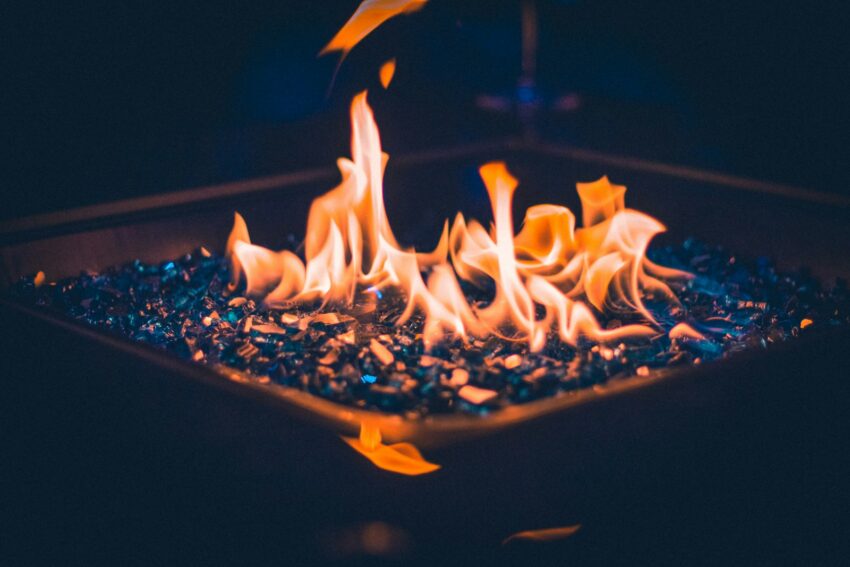
Outdoor fire tables require regular cleaning, gas line checks, fuel level checks, igniter care, and seasonal protection to stay safe and last for years. This article explains the key tasks that protect the surface, burners, and fuel system, so the fire table performs well in every season.
Regular cleaning of the fire table surface and burners to remove debris and prevent blockages
Owners of modern fire tables for patios need a simple but steady cleaning routine to keep the unit safe and functional. Dust, leaves, and food crumbs collect on the surface and around the burner area. Over time, this debris can block gas ports and affect flame height.
First, let the unit cool fully. Then wipe the tabletop with a soft cloth and mild soap. Rinse with clean water and dry the surface to prevent stains or rust on metal parts.
Next, check the burner and media. Remove loose debris by hand or with a small brush. For gas models, clear spider webs and dirt from burner holes and control panels, since these areas often trap buildup.
In addition, inspect the ignition and gas lines for dirt or loose connections. A quick visual check helps spot wear early. With steady care, fire tables stay clean, safe, and ready for regular use.
Routine inspection and leak testing of gas connections for safety
Outdoor fire tables use gas lines, fittings, and valves that need regular inspection. Over time, seals can dry out, and connections can loosen. As a result, small leaks may develop and create safety risks.
The owner should inspect all visible gas hoses and joints before each season of use. He or she should look for cracks, corrosion, or loose fittings. In addition, check that control knobs turn smoothly and shut off fully.
A simple soap and water test can help detect leaks. Apply the solution to each connection, then turn on the gas supply. If bubbles appear, gas escapes, and the connection needs repair or tightening.
Federal and state safety codes require periodic leak checks for many gas systems. Although a fire table sits at home, it still uses fuel that demands care. If any leak or damage appears, a qualified technician should inspect and repair the unit before further use.
Checking and refilling or replacing fuel sources like propane tanks or natural gas lines
Outdoor fire tables that use propane need regular fuel checks. The owner should inspect the tank gauge before each use. If the level runs low, replace the tank or take it to a certified refill station.
He or she should also check the tank collar for the manufacturer’s date. Most standard propane tanks require recertification after 12 years. If the tank shows damage, rust, or dents, replace it instead of refilling it.
In addition, inspect the hose and regulator for cracks or loose fittings. Tighten connections by hand and avoid tools unless the manufacturer allows them. A simple soap and water test can reveal leaks through bubbles.
Fire tables that connect to a natural gas line need a different approach. The owner should check the gas line and shutoff valve for wear or loose joints. If a leak or damage appears, contact a licensed gas technician for repair.
Igniter maintenance, including cleaning and resetting if the flame doesn’t ignite properly
The igniter needs regular care to spark the flame. Dirt, soot, and grease can block the electrode and stop the spark. As a result, the fire table may click but fail to light.
First, turn off the gas supply and disconnect power if the unit has a cord or battery. Next, remove the protective cover and check the igniter and nearby burner ports. Use a soft brush or dry cloth to clear debris from the electrode and tip. In addition, wipe the area around the burner to remove buildup.
If the flame still does not appear, check the battery inside the igniter button. Replace the battery and confirm the correct position. Also, inspect the wires between the button and electrode, then press them into place if loose.
After these steps, restore the gas and test the spark. A strong blue spark at the tip shows the igniter works as it should.
Seasonal protection with covers to guard against weather damage and rust
Outdoor fire tables face rain, snow, sun, and debris. Moisture can cause rust on metal parts and damage burners and controls. A well-fitted cover reduces this risk and keeps the unit clean.
Choose a cover made from water-resistant, breathable fabric. This material blocks rain yet allows trapped moisture to escape. As a result, the table stays dry, and rust is less likely to form.
The cover should fit tightly around the base but allow some airflow. Secure straps or drawstrings help hold it in place in high winds. In addition, check the cover for tears and replace it if it shows wear.
Conclusion
Outdoor fire tables need simple, steady care to stay safe and work as they should. Owners who clean burners, check gas lines, and protect surfaces from weather reduce the risk of damage and gas issues.
Seasonal tasks such as cover use, fuel checks, and part inspection help extend the life of the unit. In addition, quick action on small problems helps prevent costly repairs later.
With routine care and safe use, a fire table can provide steady heat and dependable performance year after year.