
There comes a point when a home starts to feel flat, not broken, just lacking warmth. Everything works, but it no longer feels inviting. For families balancing work and home life, that feeling matters more than expected. The good news is that small changes can make a big difference.
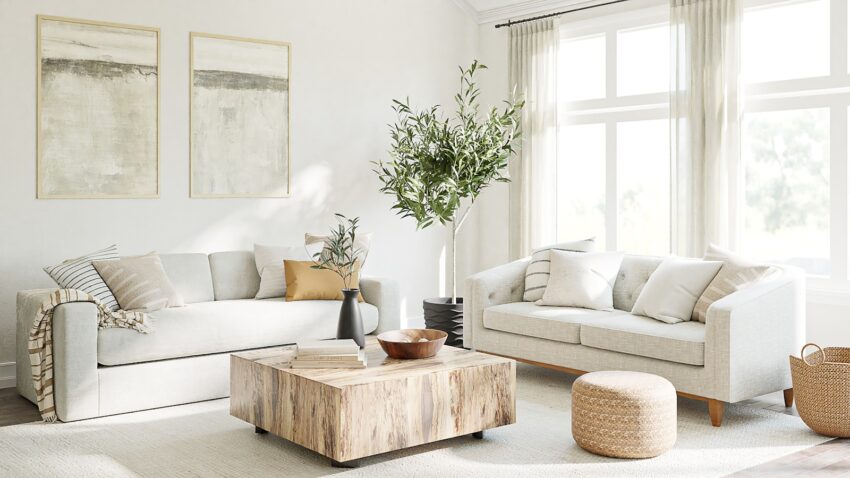
Adjusting light, adding texture, or rethinking how a room is used can transform a space without major cost. It’s not about trends or perfection. It’s about creating a home that feels comfortable, lived-in, and genuinely welcoming for the people who spend time there every day.
Why Texture Does More Than Colour Ever Can
Paint is typically the first thing that comes to mind when someone thinks about updating a space. It can be dramatic to change the colour of your walls. However, texture, rather than colour, is what makes a space feel warmer.
If all surfaces are flat and smooth, a warm beige space can still feel antiseptic. If a space features natural wood, woven fabrics, and soft furniture with noticeable grain and depth, it can feel incredibly warm, even with white walls.
Layering textures is one of the simplest ways to transform how a space feels. A chunky knit throw on a sofa, a linen cushion cover, a wooden tray on a coffee table, or braided rugs on a hardwood or tile floor all add tactile variety that the eye registers as warmth. The combination of rough and smooth, woven and solid, matte and polished creates visual interest that makes a room feel lived in rather than staged.
Textured surfaces also offer the advantage of concealing wear in households with kids. Every mark is visible on a sleek white sofa. A natural-toned, textured linen cover looks better with age while hiding signs of everyday life.
How Lighting Changes the Entire Mood of a Room
Overhead lighting is common, but it often makes a space feel flat and impersonal. A single ceiling fixture often spreads light evenly, which can reduce depth and warmth. Switching to layered lighting, using multiple light sources at different heights, can transform a room.
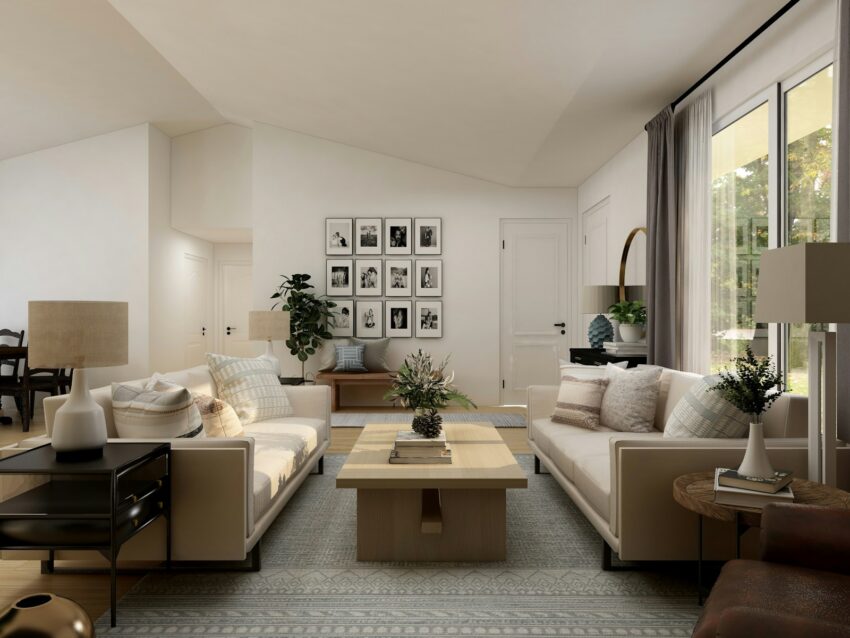
Table lamps, floor lamps, and even candles create softer, more inviting pockets of light. Instead of lighting everything equally, the goal is to form zones: a bright spot for reading, a cosy corner for relaxing, and softer light near entryways.
These layers add depth and make the space feel more dynamic. Lighting can also help define how a room is used throughout the day. A focused task lamp for reading or work, turned off afterwards, helps signal a shift from productivity to relaxation, even within the same space.
The Difference Small Rearrangements Can Make
Rearranging furniture is free and often overlooked, yet it can completely refresh a space. Many rooms stay fixed even as household needs evolve. The key is to arrange furniture around how the room is actually used, not just its structure.
If everyone naturally gathers in one spot, adjust seating to support that and free up space elsewhere for play, reading, or movement. Pulling furniture slightly away from walls can make a room feel more connected and visually cohesive.
It also helps create clearer pathways, making the space easier to move through, especially in busy households. Small shifts like these can make a room feel more functional, comfortable, and in tune with daily life.
Bringing Nature Inside Without Becoming a Plant Parent
Indoor plants can help warm up a space, adding life, colour, and calm. But maintaining them isn’t for everyone, and that’s okay. You can bring nature indoors in simpler, low-maintenance ways. A bowl of pine cones, a vase of dried grasses, or a wooden cutting board on display can create the same organic feel.
Even small touches, like stones or shells from a trip, add character and a sense of connection to the outdoors. Incorporating natural elements in this way reflects a widely used interior styling approach that prioritises biophilic design, which focuses on improving comfort and well-being through subtle connections to nature.
Displaying these items at home as a rotating, seasonal collection keeps things fresh without effort. It’s a simple, meaningful way to make a space feel grounded, personal, and connected to the natural world without the responsibility of constant care.
Making the Home Work for the People Who Live in It
The most inviting homes are not the most polished, but the most functional. When a space supports daily routines, with essentials within reach, easy-to-maintain surfaces, and a layout that makes sense, it naturally feels more comfortable.
For households balancing multiple activities, this often means embracing flexibility. A dining table can double as a study or workspace with nearby storage, while a living room can shift between play and relaxation through simple zoning. These spaces don’t need to be perfect, just practical and adaptable.
Design professionals often prioritise function-first layouts before aesthetics, ensuring that each area supports its primary use without unnecessary friction. The goal is to create a home that reflects the people who live in it, not an idealised image. When a home works well, it feels right. That sense of ease and belonging, built through small, thoughtful choices, matters far more than any major renovation.
Comfort Is Built, Not Bought
A warm home isn’t about big changes. It’s about small, thoughtful ones. Light, texture, and layout shape how your home feels every day. When a home works for you, it naturally feels right. Focus on comfort, not perfection. That’s what turns a house into a place you truly want to be.